


WHY YOUR HAIR COLOR ISN’T AS BOLD AS EXPECTED (AND HOW TO FIX IT)

THE CORE PROBLEM: “IT LOOKS NICE, BUT NOT LIKE THE PHOTOS”
One of the most common reactions after coloring at home is not panic. It is confusion.
The hair feels soft. The color looks pretty. But it does not look as bold, vivid, or saturated as expected.
If you have ever thought “why is mine more subtle than the pictures,” this blog is for you.
In most cases, muted results are not caused by a bad product or a mistake. They come from one of four mismatches:
-
Starting hair color was darker than the reference photos
-
The shade chart was read incorrectly or skipped
-
Saturation was not high enough for the hair type
-
Processing time was too short for the desired intensity
The good news is that you can almost always get closer to your goal once you identify which of these is happening.
QUICK FACTS BEFORE WE DIAGNOSE
-
Semi-permanent color deposits pigment. It does not lighten hair
-
Boldness depends on starting hair color, porosity, and saturation
-
Timing matters. Leaving it on longer within guidance can deepen results
-
For very vivid results on dark hair, bleach may be needed
-
You can often boost boldness without stripping your hair
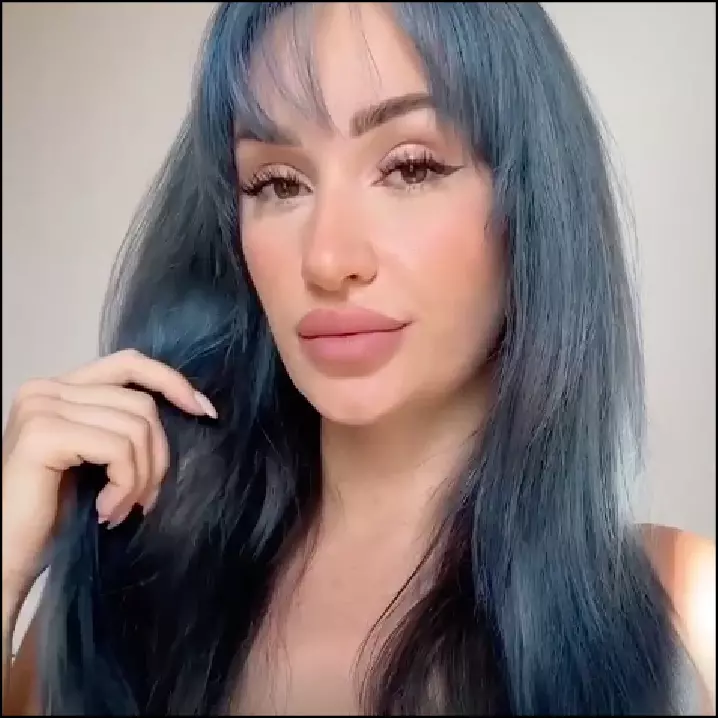
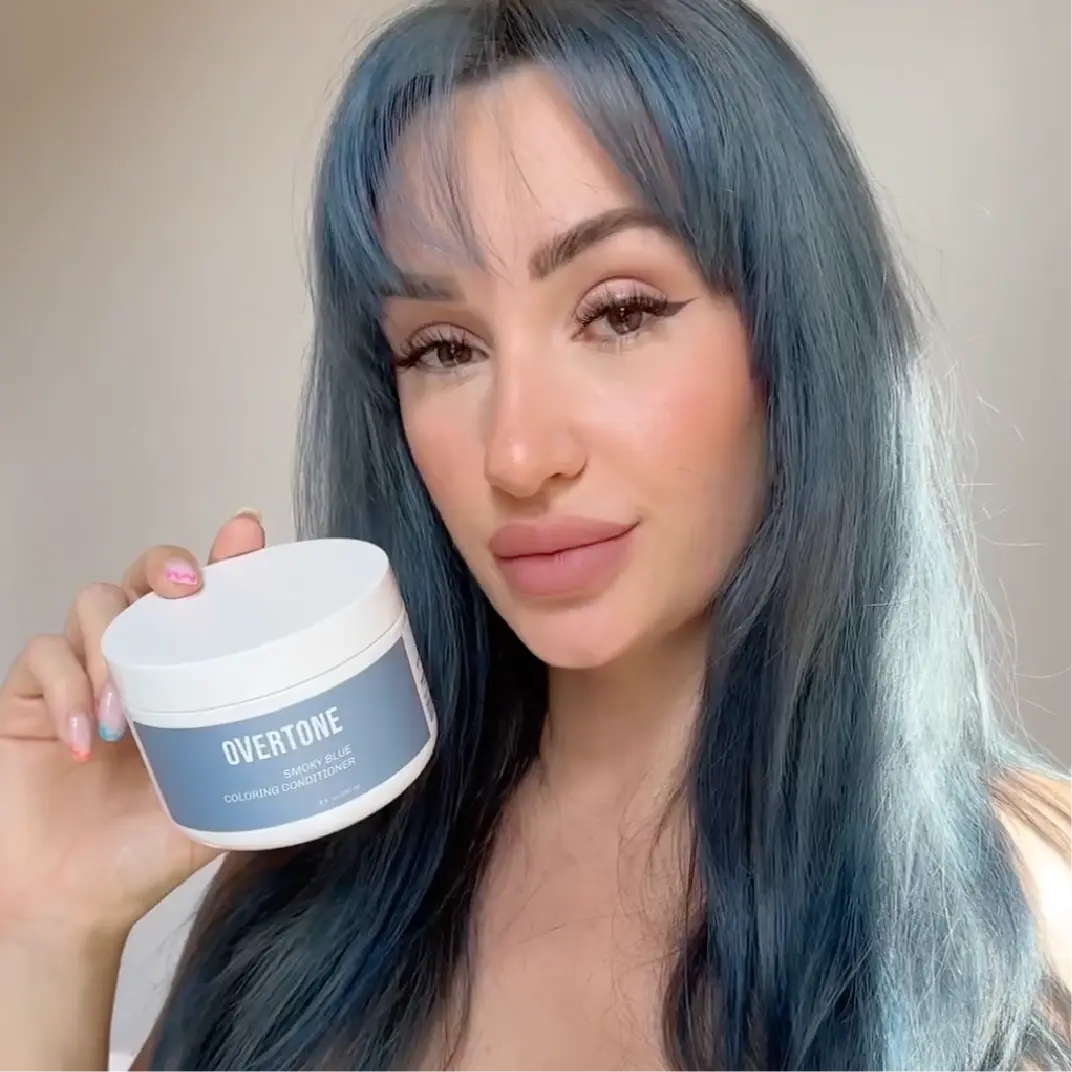
STEP ONE: CHECK YOUR STARTING HAIR COLOR AGAINST REALITY
The most important step in getting bold results is also the least glamorous. You have to accurately name your starting hair color.
People often describe their hair based on what they want it to be, not what it is. Lighting also tricks us. Indoor light can make brown hair look lighter. Bathroom light can make blonde look warmer. Phone cameras can change tones drastically.
Before you judge your results, compare your hair in natural light to one of these general categories:
-
Light blonde
-
Dark blonde
-
Light brown
-
Medium brown
-
Dark brown
-
Black
-
Gray or salt and pepper
Why this matters: semi-permanent color sits on top of what is already there. Your hair color acts like the background layer in a painting. Pigment can only show as brightly as the canvas allows.
HOW DOES SEMI-PERMANENT COLOR SHOWS UP ON DIFFERENT STARTING LEVELS?
If you want bold, it helps to understand how “bold” translates by starting shade.
Light Blonde
-
Most shades show up bright and clear.
-
Pastels are possible.
-
High contrast results are common.
Dark Blonde to Light Brown
-
Many shades show clearly, but not neon.
-
Pastels often become soft tints.
-
Rich tones look dimensional.
Medium Brown
-
Bold shades show more as a tonal shift than a bright overlay.
-
Colors often look jewel-toned or smoky.
-
Brightness is reduced compared to light hair.
Dark Brown to Black
-
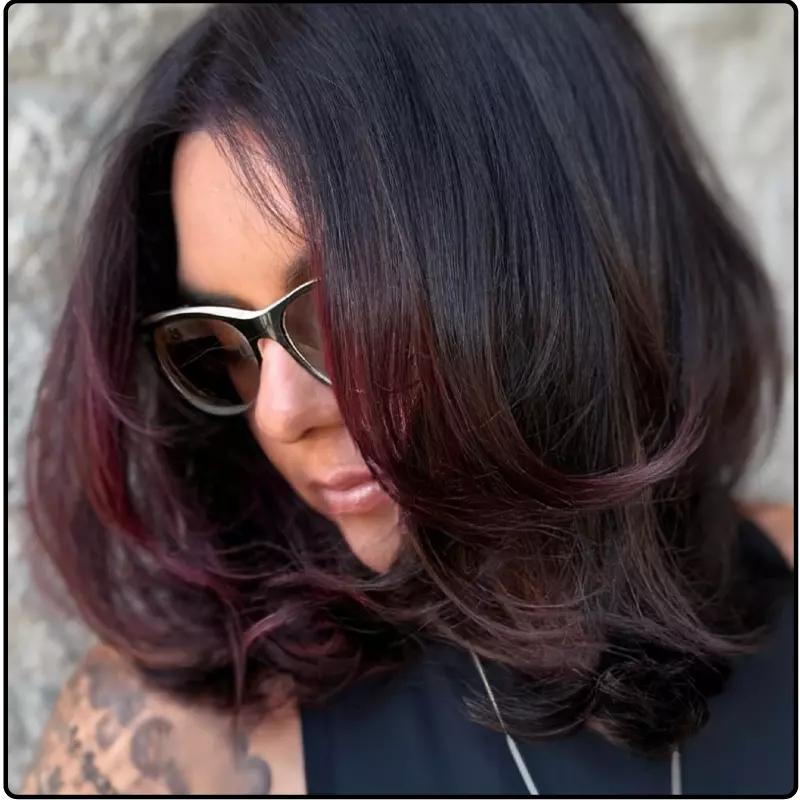
Most shades read as subtle sheen or tint in sunlight.
-
Depth shows, brightness does not.
-
For vivid results, hair typically needs to be lightened first.
This is why “bold” on dark hair often means “visible dimension,” not “electric color.”
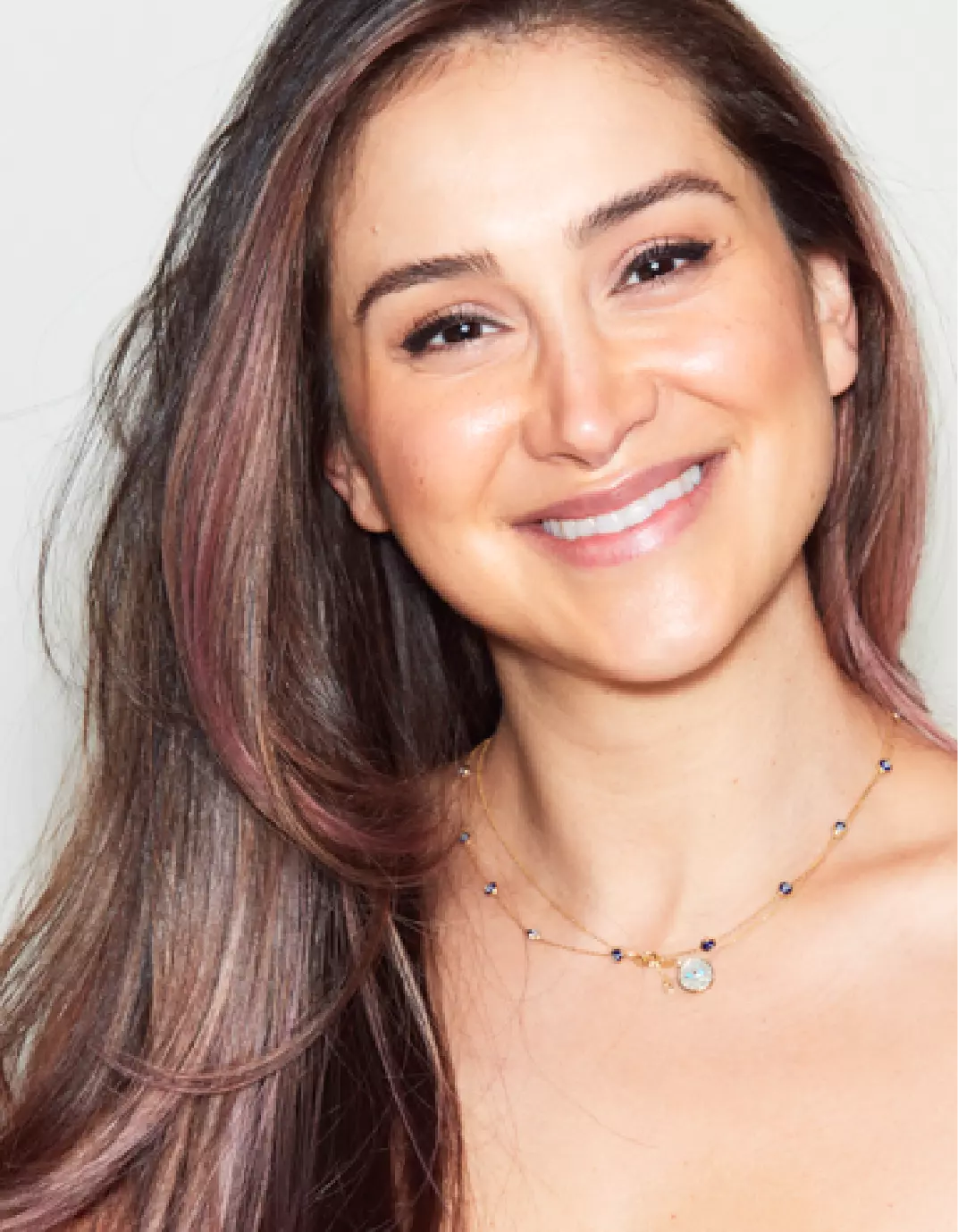
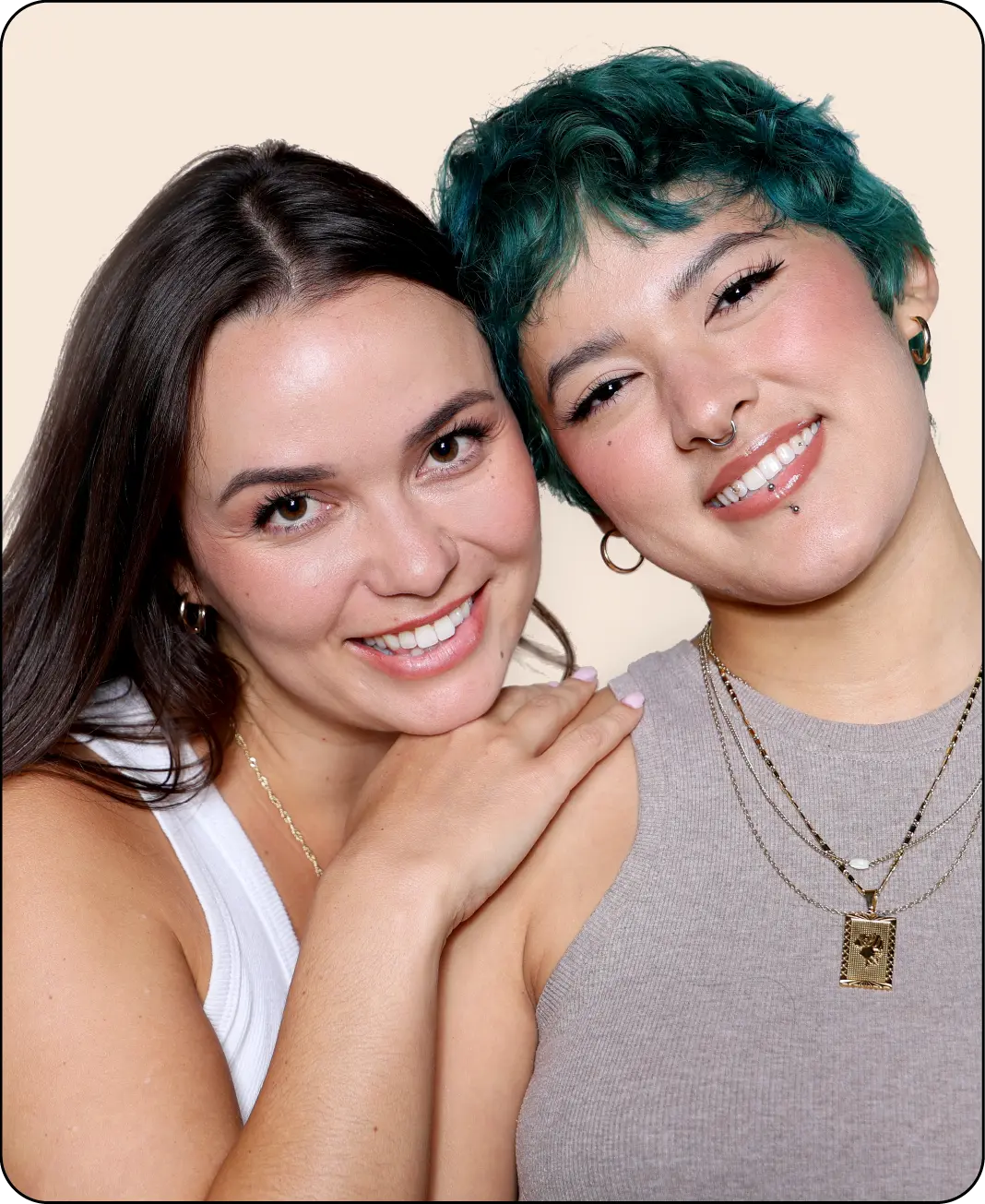
STEP TWO: USE THE SHADE CHART LIKE A TRANSLATOR, NOT A PROMISE
Shade charts on product pages are designed to show how a shade behaves across different starting colors. They are not a guarantee that your hair will match the lightest reference photo.
If you are aiming for bold results, the shade chart should be treated like a translator. Here is how to use it correctly:
-
Find the row that matches your starting hair color
-
Look at the result shown for that starting level
-
Decide if that result matches your goal
-
If it does not, consider a different shade or a lightening step
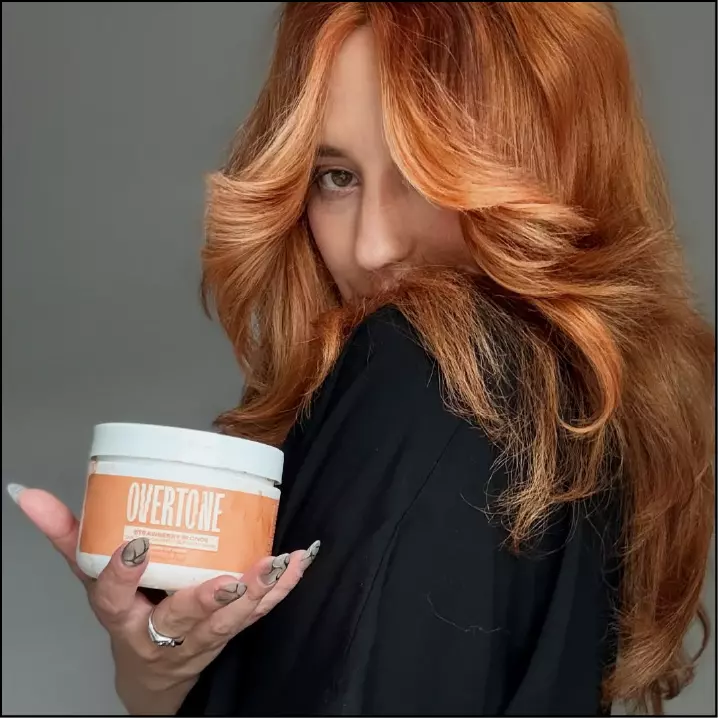
Before applying Overtone Color Depositing Treatment Mask checking the shade chart on the PDP is one of the easiest ways to prevent disappointment. This is especially important for dark hair customers who are comparing their results to bright photos taken on light hair.
STEP THREE: UNDERSTAND THE “BOLDNESS GAP” ON DARK HAIR
If you have medium to dark hair and your result is subtle, it does not mean nothing happened.
On darker hair, semi-permanent color typically appears as:
-
A tint visible in sunlight
-
A tone shift in highlights
-
A richer or cooler overall cast
-
A sheen that shows when hair moves
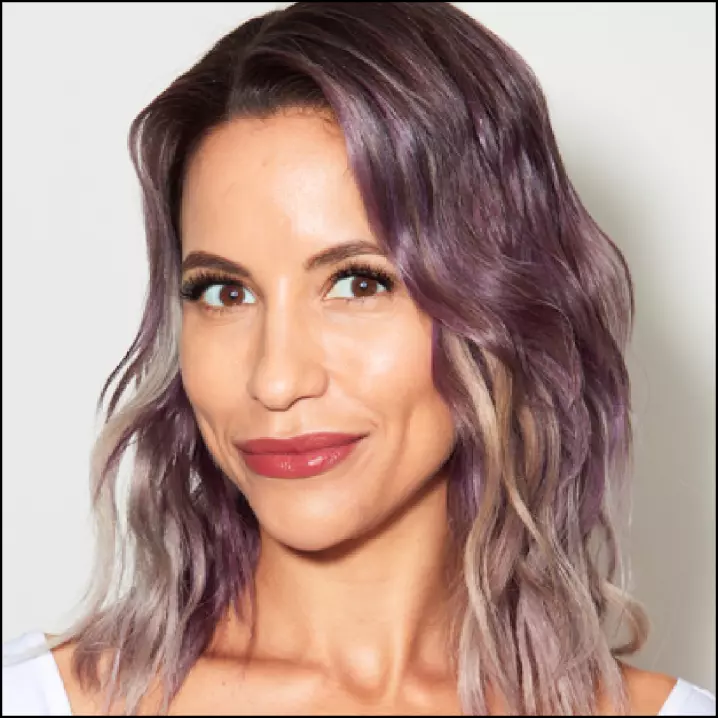
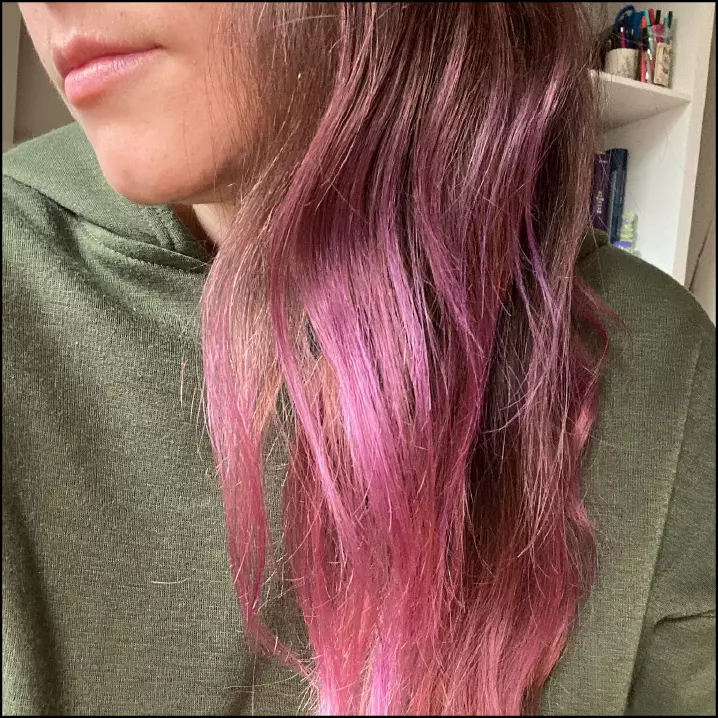
This can be beautiful and intentional, but it is not the same as a bright, pastel, or neon look. If your goal is true vivid color, you need a lighter canvas.
WHEN BLEACH IS ACTUALLY THE RIGHT TOOL
Bleach is not a requirement for everyone. It is a tool for a specific goal.If you want:
-
Bright pastels
-
High-impact vivid shades
-
True-to-swatch rainbow tones
-
Strong contrast on dark hair
Then hair needs to be lightened first.
Overtone Bleach is used to lift hair to a lighter base so pigment can show more clearly. This is not about forcing everyone to bleach. It is about being honest about physics. Pigment cannot appear brighter than the surface it is applied to.
STEP FOUR: SATURATION IS THE DIFFERENCE BETWEEN “TINT” AND “WOW”
Even on light hair, boldness depends on saturation.
If product is applied thinly, unevenly, or too quickly, the result can look muted or patchy. If it is applied generously and pressed into the hair, the color appears stronger and more uniform.
When using Overtone Color Depositing Treatment Mask saturation is the most controllable factor you have.
Practical saturation checks:
-
Hair should feel fully coated, not lightly conditioned
-
You should not see dry strands peeking through
-
Each section should look evenly covered from root area through ends
-
Thick hair should be worked in smaller subsections
TIMING MATTERS TOO: HOW LONG YOU LEAVE IT ON CHANGES INTENSITY
Saturation is only half of boldness. The other half is processing time.
If you rinse too early, results can look softer than expected.
General guidance many users follow:
-
15 minutes for a lighter refresh or softer deposit
-
20 minutes for a standard application
-
30 minutes for deeper saturation and stronger payoff
Always follow product instructions, but do not undercut your results by rinsing at five minutes when your goal is bold.
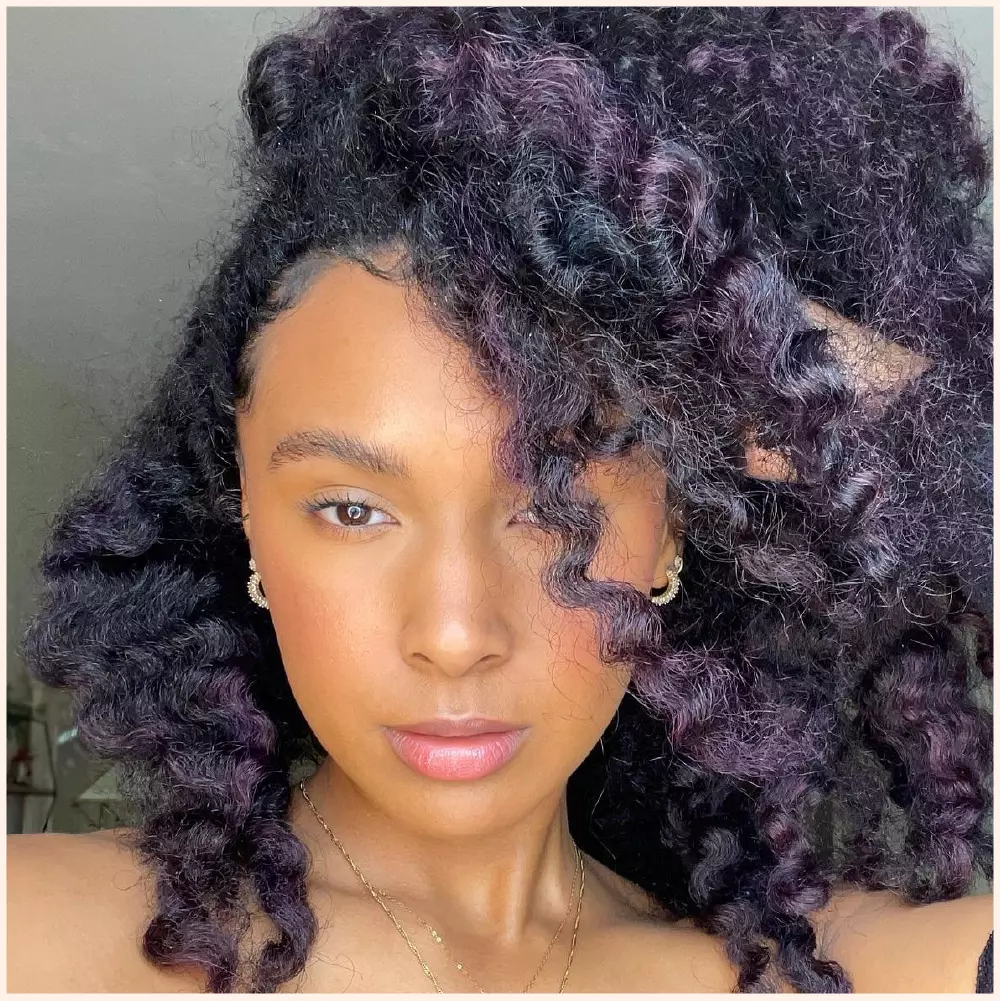
If your hair is thick, curly, or resistant, a longer processing time within guidance often helps pigment settle more evenly.
STEP FIVE: PICK THE RIGHT PRODUCT TYPE FOR YOUR GOAL
A surprising amount of “not bold enough” feedback comes from choosing the wrong product type.
If you want bold color impact
Use Overtone Color Depositing Treatment Mask.
The Mask is designed for richer pigment deposit.
If you want subtle upkeep or gradual reinforcement
Use Overtone Color Depositing Daily Conditioner
Daily Conditioner is designed to maintain tone over time, not deliver maximum intensity in one use.

STEP SIX: KNOW WHAT GLOSS CAN AND CANNOT DO
Gloss is a finishing tool. It improves shine and surface smoothness. It can make existing color look more polished and more dimensional, especially as color softens.
Gloss does not:
-
Make color brighter
-
Turn a subtle tint into neon
-
Replace bleaching for vivid results
If your color is close but looks dull, gloss can help. If your color is too subtle, you need more pigment, more saturation, more time, or a lighter base.
HOW DO I BOOST BOLDNESS WITHOUT STARTING OVER?
If you are close to what you want, you usually do not need to strip your hair or panic.
Here are practical, low-stress ways to boost intensity:
-
Reapply the Mask once more with better sectioning and heavier saturation
-
Increase processing time within guidance, aiming closer to 20 to 30 minutes
-
Focus extra product on the areas that look most muted
-
Maintain tone using Daily Conditioner between Mask applications so it does not fade as quickly
Overtone Color Depositing Daily Conditioner.
This maintenance step is especially helpful for reds, coppers, pastels, and shades that soften faster on porous hair.
WHAT ARE THE MOST COMMON REASONS BOLDNESS FALLS SHORT?
If you want a simple checklist, here it is:
-
Starting hair was darker than the reference photos
-
Hair was not saturated enough
-
Processing time was too short
-
Hair was too wet during application
-
Product choice was too gentle for the goal
-
Expectation was based on a lighter hair swatch
You can fix most of these without changing your shade.
FREQUENTLY ASKED QUESTIONS
-
Photos are usually taken on specific starting hair colors in specific lighting. Shade charts are more accurate than influencer lighting.
THE TAKEAWAY
Muted results are usually not a failure. They are information.
Boldness depends on starting hair color, shade expectations, saturation, and timing. When those pieces align, semi-permanent color can look vivid, intentional, and surprisingly consistent.
If you want stronger payoff:
-
Use the Mask for impact
-
Saturate fully and evenly
-
Give it enough processing time, often closer to 20 to 30 minutes
-
Use Daily Conditioner to maintain tone between applications
-
Use bleach only when your goal requires a lighter canvas
When you approach boldness as a match between goal and foundation, results become much easier to predict.
CHECK OUT OUR MOST POPULAR PRODUCTS

Vivid Violet Healthy Color Duo
