


WARM VS COOL HAIR COLORS: HOW TO CHOOSE THE RIGHT TONE
WHAT IS THE DIFFERENCE BETWEEN WARM AND COOL HAIR COLORS?
When people talk about hair color, they often focus on the shade itself. Someone might say they want copper, ash blonde, deep purple, or bright red. But beneath every hair color is something even more important: tone.
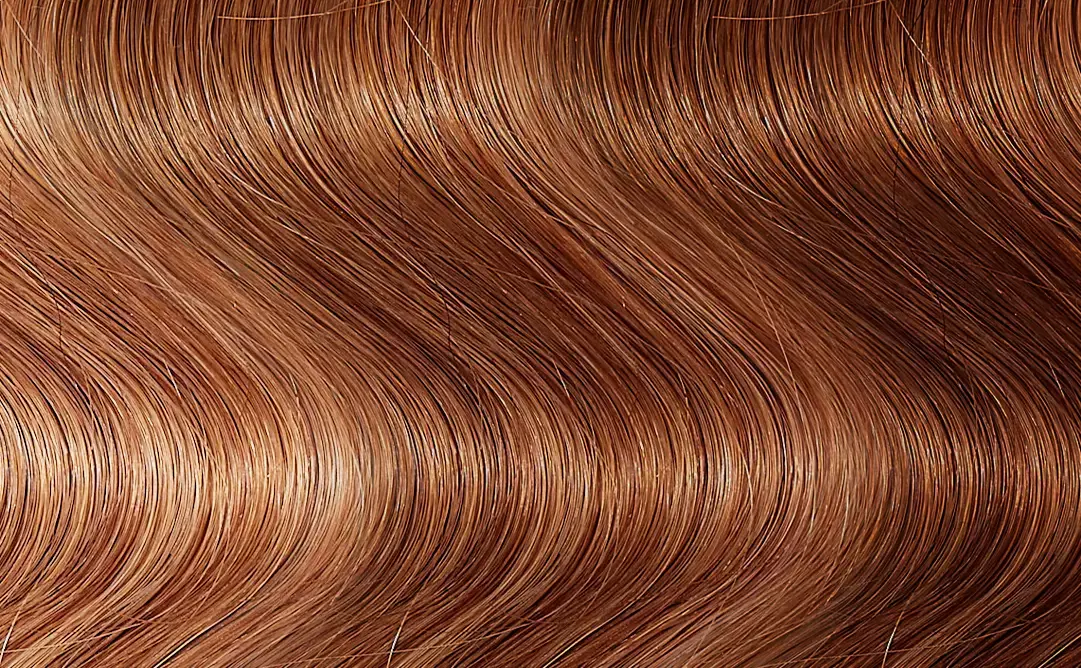
Tone refers to the underlying temperature of a color. Some colors lean warm, meaning they contain golden, copper, or red undertones. Others lean cool, meaning they contain blue, violet, or silvery undertones.
Understanding this difference is one of the most helpful ways to choose a hair color that complements both your natural hair and your complexion.
Warm and cool tones interact with light in different ways. Warm colors tend to glow in natural sunlight and add softness to the face. Cool tones often appear sleek and reflective, creating a polished, modern look.
Neither option is better than the other. The key is choosing the tone that works best with your natural base and personal style.
HOW DO WARM HAIR COLORS BEHAVE ON DIFFERENT HAIR SHADES?
Warm hair colors include shades like copper, auburn, golden brown, strawberry blonde, and rich reds. These tones contain pigments that reflect light in a way that creates warmth and brightness.
Warm shades tend to enhance dimension in natural hair colors. On lighter hair they appear vibrant and glowing. On deeper hair they create subtle warmth that becomes more noticeable in sunlight.
Some of the most popular warm tones right now fall into the category often referred to as Glowtones, which focus on radiant, complexion-enhancing warmth.
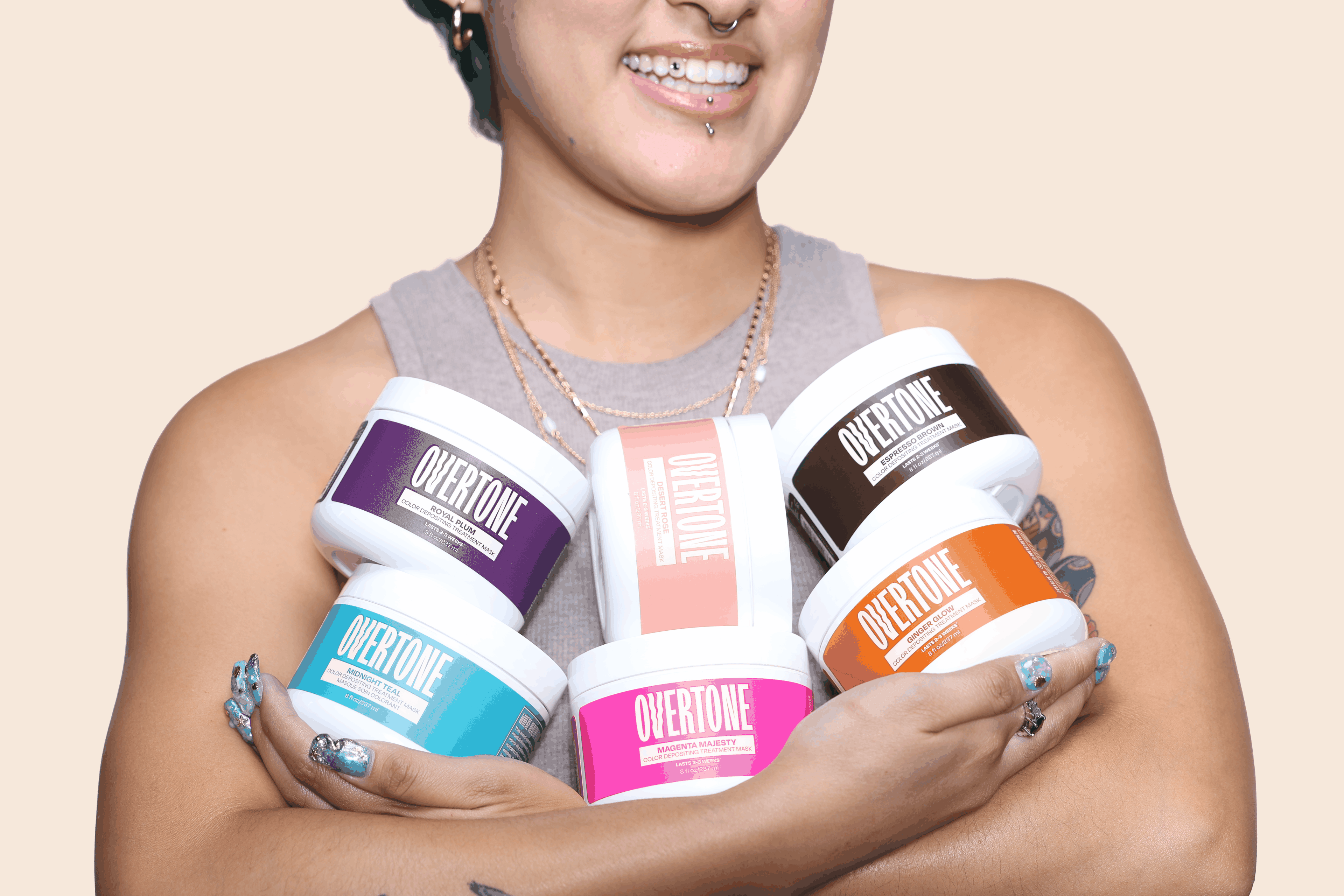
A shade like Ginger Glow creates luminous copper warmth on lighter bases while producing softer golden dimension on deeper hair colors.
👉 [Ginger Glow Color Depositing Treatment Mask]
Another warm shade that has gained popularity is Auburn Brown, which blends richness and glow in a way that looks especially beautiful in natural daylight.
👉 [Auburn Brown Color Depositing Treatment Mask]
Warm tones tend to be very forgiving because they blend easily with the natural warmth already present in most hair.
HOW DO COOL HAIR COLORS BEHAVE ON DIFFERENT HAIR SHADES?
Cool hair colors lean toward silver, ash, blue, and violet undertones. These shades neutralize warmth and create a sleek, refined appearance.
Cool tones have become especially popular in recent years because of their modern aesthetic. Metallic silvers, smoky brunettes, and icy pastels appear polished and dimensional when paired with healthy shine.
This category is often referred to as Silvertones, which emphasize cool reflective color rather than heavy pigment.
On light blonde hair, silver shades can appear crisp and metallic. On medium brown hair they often create a smoky cool finish that softens natural warmth.
Twilight Titanium has become one of the most talked about shades in this category because it creates reflective silver dimension without looking flat.
👉 [Twilight Titanium Color Depositing Treatment Mask]
Cool tones can also enhance natural gray hair by blending silver strands and increasing shine.
HOW DOES YOUR SKIN UNDERTONE INFLUENCE HAIR COLOR?
Choosing between warm and cool hair color often becomes easier when considering skin undertones.
People with warm undertones in their skin tend to look especially radiant with golden or copper shades. These colors reflect warmth back toward the complexion and can create a natural glow.
Those with cooler undertones often find that ash or silver shades complement their complexion beautifully. Cool tones create contrast that can make features appear sharper and more defined.
However, undertones are only one factor. Personal preference plays a large role as well. Some people intentionally choose a tone that contrasts with their skin tone for a more dramatic effect.
Hair color is both technical and expressive.
WHY STARTING HAIR COLOR MATTERS MORE THAN MOST PEOPLE REALIZE
The base color of the hair determines how any new pigment will appear.
Light blonde hair provides the clearest canvas for most shades. Both warm and cool tones appear vibrant and easy to control.
Medium blonde or light brown hair produces slightly deeper versions of the same colors. Warm tones may appear richer, while cool tones may appear smokier.
Dark hair behaves differently because pigment may be less visible without lightening. Warm shades can create subtle undertone shifts, while cool shades may appear more muted.
If dramatic brightness is the goal, lifting the hair slightly can create the ideal canvas for either warm or cool tones.
👉 [The Bleach 30 Volume Hair Lightening System]
Preparing the base allows color to appear more vibrant and predictable.
WHY SHINE CHANGES HOW WARM AND COOL COLORS LOOK
Regardless of tone, shine plays a major role in how hair color appears.
When the cuticle is smooth and hydrated, light reflects evenly across the surface of the hair. This reflection gives color a luminous finish that makes both warm and cool shades appear more dimensional.
Without shine, even beautiful color can appear flat.
Gloss treatments help restore this reflective quality.
👉 [The Gloss]
Applying Gloss for several minutes after refreshing color smooths the cuticle and enhances how light interacts with the pigment.
This is one of the simplest ways to elevate any shade.
HOW DO WARM AND COOL COLORS FADE OVER TIME?
Another difference between warm and cool hair colors is how they fade.
Warm shades tend to soften into lighter golden tones as pigment gradually fades. Reds may evolve into copper. Copper may fade into warm blonde.
Cool shades often shift slightly as underlying warmth in the hair begins to show again. Silver tones may soften into smoky gray or neutral blonde.
Because conditioning color systems deposit pigment gradually, these transitions usually appear natural rather than patchy.
Refreshing color occasionally helps maintain the desired tone.
HOW DO PURPLE AND PLUM SHADES FIT INTO WARM VS COOL HAIR COLOR?
Purple shades occupy a fascinating space within the warm versus cool conversation because they can lean in either direction depending on their undertones.
Some purples contain more red pigment, which gives them warmth and depth. Others contain more blue pigment, which shifts them toward cooler tones. This flexibility is one of the reasons purple shades remain so popular for people who want something expressive while still feeling sophisticated.
A shade like Royal Plum sits beautifully in this space between bold and wearable.
👉 [Royal Plum Color Depositing Treatment Mask]
Royal Plum appears rich and dimensional on many different starting shades. On lighter blonde hair it becomes vibrant and jewel toned. On medium brown hair it develops into a deep plum that reflects light beautifully. On darker bases it creates subtle violet undertones that appear especially striking in natural sunlight.
This adaptability makes plum shades an excellent option for anyone exploring cool-toned color without committing to something extremely bright.
Purple tones also tend to fade gracefully. As pigment softens over time, the color often transitions into softer lavender or berry hues rather than disappearing abruptly.
WHY DIMENSIONAL BROWN SHADES ARE TRENDING AGAIN
While vivid colors often receive the most attention, natural-looking browns have been quietly evolving as well. In 2026, dimensional brunette tones are becoming more popular because they create depth while maintaining a natural aesthetic.
Unlike flat brown dyes of the past, modern brunette shades emphasize tone variation. Subtle cool undertones can create smoky dimension, while warmer browns reflect golden light.
Shades like Mushroom Brown have become popular because they balance these elements beautifully.
👉 [Mushroom Brown Color Depositing Treatment Mask]
Mushroom Brown leans slightly cool, which helps neutralize unwanted warmth in the hair while maintaining a soft natural finish. On medium blonde hair it produces a soft taupe brown. On deeper hair colors it creates smoky dimension that appears polished and modern.
Another shade that works well within this category is Espresso Brown.
👉 [Espresso Brown Color Depositing Treatment Mask]
Espresso tones deepen natural brunettes while maintaining shine. Rather than dramatically altering the hair color, they enhance richness and make the hair appear fuller and healthier.
These types of shades are particularly appealing for people who want color enhancement rather than dramatic transformation.
HOW DO PASTEL HAIR COLORS FIT INTO WARM AND COOL TONE THEORY?
Pastel hair colors are often associated with playful experimentation, but they also follow the same tone principles as traditional shades.
Pastels can lean warm or cool depending on the pigments used.
Soft peach and rose tones tend to carry warmth, which can brighten the complexion and create a glowing effect around the face.
Lavender, icy pink, and pale lilac tones lean cooler and often create a delicate, ethereal appearance.
👉 [Pink Collection]
Because pastel shades are lighter in pigment concentration, the starting hair color plays a particularly important role in the final result.
On pale blonde hair, pastel shades appear soft and translucent. On darker blonde hair they become slightly more saturated. On deeper hair colors they may appear subtle unless the hair is lifted first.
This is why many pastel transformations begin with a lighter base.
👉 [The Bleach 30 Volume Hair Lightening System]
Creating the right canvas allows pastel tones to appear airy and luminous rather than muted.
WHY SOME PEOPLE MIX WARM AND COOL TONES INTENTIONALLY
While tone theory often suggests choosing either warm or cool shades, many modern color techniques intentionally blend both.
For example, someone might combine a cool smoky brown base with warmer copper highlights to create contrast. Others may wear a silver tone with subtle violet undertones for additional dimension.
This blending approach creates color that feels complex rather than flat.
Royal Plum is a good example of a shade that naturally combines both directions. Its cool violet undertone balances the richness of red pigment, which creates depth that changes slightly depending on the lighting.
Similarly, some warm copper shades contain subtle cooler undertones that prevent the color from appearing overly orange.
This interplay between warm and cool tones is one of the reasons modern hair color feels more dimensional than in previous years.
HOW LIGHTING INFLUENCES WARM AND COOL TONES
Another important factor that influences how hair color appears is lighting.
Warm shades tend to become more vibrant in natural sunlight. Copper, auburn, and golden tones often glow when light hits the hair directly.
Cool shades behave differently. Silver, ash, and violet tones tend to appear sharper and more reflective in bright daylight but deepen into smoky richness indoors.
This dynamic is why some colors appear slightly different depending on where you see them.
It is also one of the reasons shine is so important for both warm and cool tones.
👉 [The Gloss]
When the cuticle is smooth and hydrated, light reflects evenly across the hair surface. This reflection enhances the tone and allows the color to reveal its full dimension.
Gloss treatments help restore this reflective quality, making both warm and cool tones appear richer.
WHY TONE CHOICE OFTEN EVOLVES OVER TIME
Hair color preferences often change as people experiment with different tones.
Someone who begins with warm copper shades may later explore cooler smoky tones. Others may start with cool silver shades and gradually introduce warmer highlights.
Because semi-permanent color fades gradually, these transitions can happen naturally without requiring harsh corrective treatments.
Instead of committing to a single tone permanently, color can evolve over time.
This flexibility allows people to discover which shades they feel most confident wearing.
Exploring both warm and cool tones can also reveal unexpected favorites. A shade that seems dramatic at first may become surprisingly wearable once applied.
The ability to experiment without damaging the hair is one of the greatest advantages of conditioning color systems.
WHY THERE IS NO SINGLE “CORRECT” TONE
Ultimately, choosing between warm and cool hair color is not about following rigid rules. Tone theory can provide guidance, but personal style and confidence play an equally important role.
Some people naturally gravitate toward warm shades because they feel radiant and energetic. Others prefer the sleek, modern appearance of cool tones.
Both directions can look stunning when applied to healthy hair.
The most important factor is choosing a color that complements your starting shade and reflects your personal aesthetic.
If you are unsure which tone might suit you best, experimenting gradually can be the easiest approach.
👉 [Shade Quiz]
Trying a tone that aligns with your natural base while maintaining shine and hydration allows the hair to reveal how the color behaves in real life.
Hair color is ultimately a form of self expression.
And discovering how different tones interact with your hair can be one of the most rewarding parts of that process.
HOW CAN YOU DECIDE BETWEEN WARM AND COOL HAIR COLOR?
Choosing between warm and cool tones ultimately depends on three factors.
The first is your starting hair color and how it interacts with pigment. The second is your skin undertone and how color reflects light around your face. The third is personal style.
Some people prefer warm shades because they feel radiant and natural. Others prefer cool tones because they create a sleek, modern aesthetic.
The best way to explore options is often through gradual experimentation.
👉 [Shade Quiz]
Trying a tone that complements your base color while maintaining healthy hair allows the shade to evolve naturally.
Hair color does not have to be permanent to feel transformative.
Sometimes the most exciting part of color is discovering how different tones interact with your hair and light.
CHECK OUT OUR MOST POPULAR PRODUCTS
