


15 HAIR COLOR TRENDS FOR SPRING 2026 (THE OVERTONE EDIT)
WHY ARE HAIR COLOR TRENDS SHIFTING TOWARD SHINE AND DIMENSION?
Hair color trends used to be defined almost entirely by shade. One season was about platinum blonde. Another belonged to rose gold or copper. But in 2026, the defining feature of great color is not just tone. It is light reflection.
Hair that shines reads healthier, more dimensional, and more intentional. That is why conditioning pigment systems have become central to modern color routines. When pigment is delivered through hydrating formulas instead of harsh dye processes, the cuticle remains smooth. Smooth cuticles reflect light more evenly, which gives hair color that luminous finish people associate with professional color.
This shift explains why so many of the most talked about shades right now are not just bright or bold. They are reflective. Metallic silvers glow under daylight. Warm auburns feel radiant rather than brassy. Even pastel tones appear glassy instead of chalky.
Spring 2026 color trends are not about choosing a louder shade. They are about choosing a tone that interacts beautifully with light.
WHAT ARE THE COOL-TONE HAIR COLORS TRENDING FOR SPRING 2026?
Cool tones are dominating fashion and beauty conversations this year. Metallic finishes, smoky brunettes, and silver-enhanced grays are appearing everywhere from runway styling to TikTok transformations.
One of the most talked about directions is Silvertones, a category of cool reflective shades that enhance natural gray while creating a modern metallic finish.
Silver tones behave differently depending on your starting shade. On light blonde hair they appear crisp and reflective, creating that coveted metallic effect. On medium brown hair they soften warmth and create smoky dimension. On gray hair they blend beautifully, enhancing shine rather than masking natural silver strands.
Two shades that have become especially popular are Twilight Titanium and Serene Silver.
👉 [Twilight Titanium Color Depositing Treatment Mask]
👉 [Serene Silver Color Depositing Treatment Mask]
These shades demonstrate how modern silver hair is less about covering gray and more about refining it.
WHY ARE WARM “GLOWTONES” TAKING OVER HAIR COLOR RIGHT NOW?
While metallic silvers dominate cool tone trends, warm tones are experiencing their own renaissance. The difference is that warm hair in 2026 does not look brassy or flat. Instead it appears luminous and dimensional.
This trend has become known as Glowtones. These shades focus on warm undertones that enhance complexion and reflect light beautifully.
Glowtones include radiant copper, auburn brown, and golden mushroom shades that create warmth without overwhelming the base color.
One of the most popular shades right now is Ginger Glow, which creates copper luminosity on lighter hair and subtle warmth on deeper bases.
👉 [Ginger Glow Color Depositing Treatment Mask]
Auburn Brown is another standout because it offers rich dimension that looks polished in both natural sunlight and indoor lighting.
👉 [Auburn Brown Color Depositing Treatment Mask]
Warm shades like these feel particularly fresh in spring because they brighten the complexion and add natural-looking movement.
HOW ARE PASTEL HAIR COLORS EVOLVING IN 2026?
Pastel shades remain one of the most creative ways to experiment with color, but the way they are worn has changed significantly. Instead of opaque chalky finishes, modern pastels look translucent and glossy.
This shift is possible because conditioning pigment systems maintain moisture in the hair shaft, allowing pastel tones to reflect light rather than absorb it.
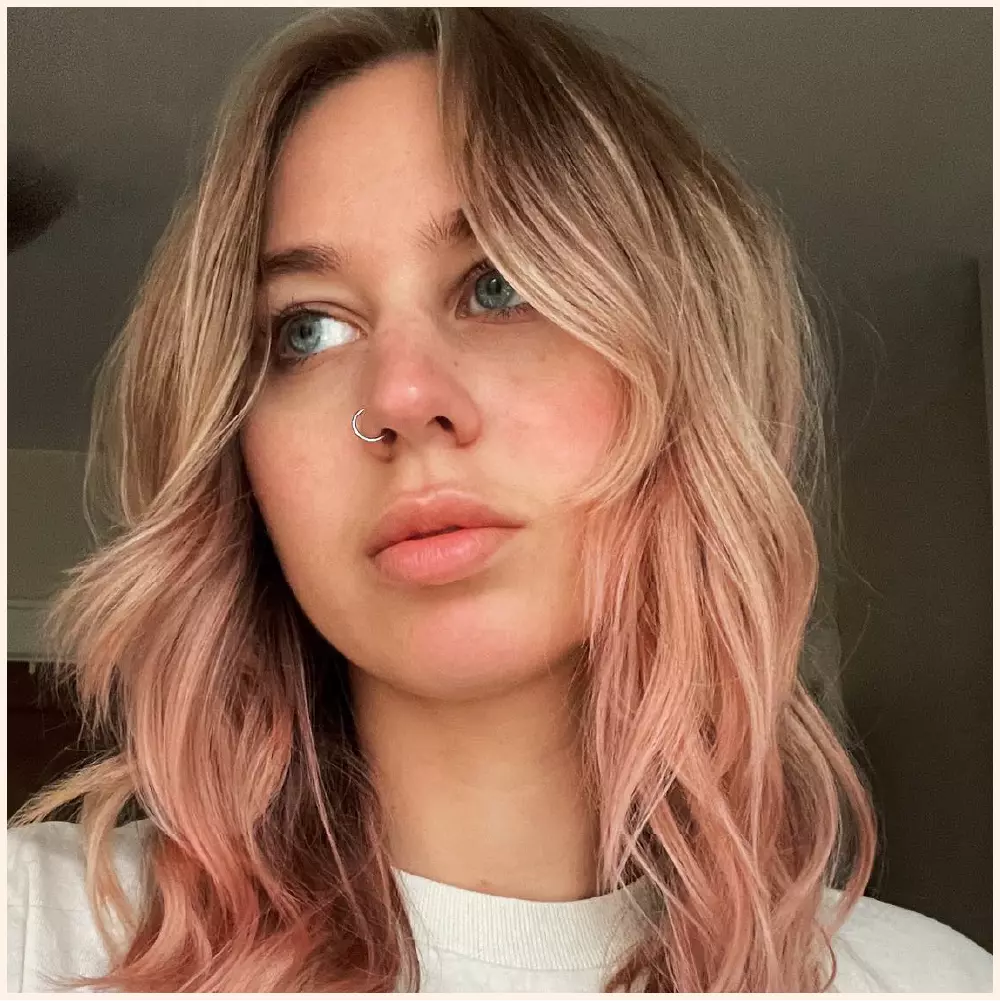
Soft pink shades remain one of the most wearable pastel options.
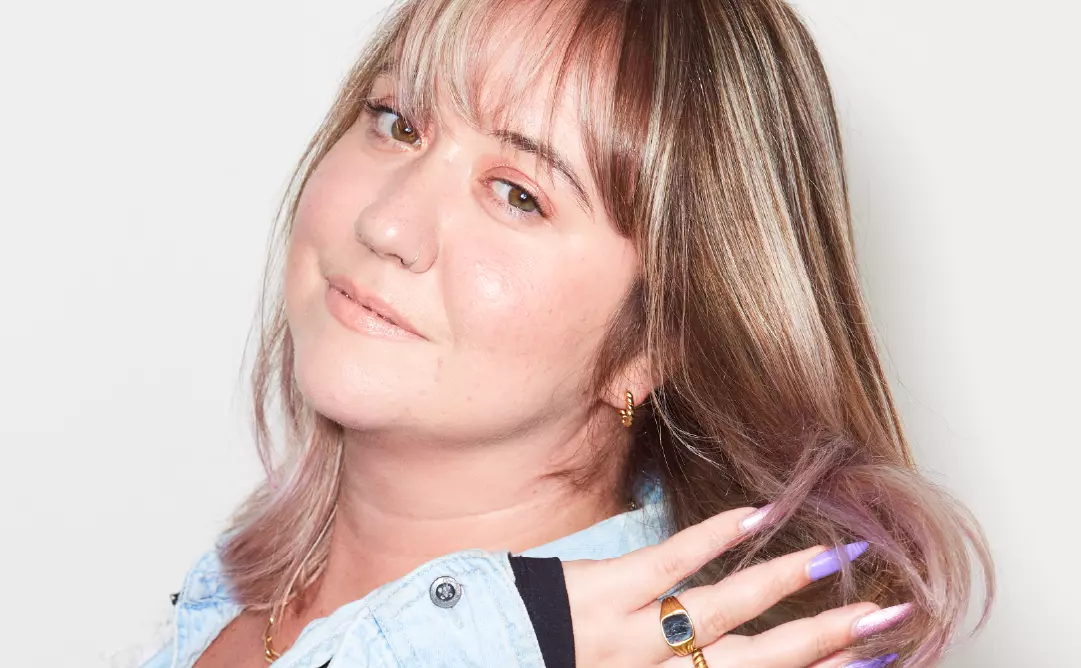
Lavender and violet tones continue trending because they photograph beautifully and adapt across different base colors.
On very light blonde hair these tones appear airy and watercolor-like. On darker bases they create subtle tonal shifts that still feel playful without overwhelming the natural shade.
ARE BOLD NEON COLORS STILL TRENDING?
Bright neon shades remain incredibly popular on social platforms, especially electric blues and vivid greens. The difference in 2026 is that these colors are styled with more polish and shine.
Blue tones in particular continue to trend because they create dramatic contrast against natural hair colors.
👉 [Blue Collection]
Green shades have also gained popularity for their futuristic aesthetic and bold visual impact.
👉 [Green Collection]
For these colors to appear truly vibrant, the starting shade plays an important role. Lighter hair allows neons to appear bright and saturated. Darker hair will produce a more subtle tonal shift unless the hair is lifted beforehand.
If maximum vibrancy is the goal, strategic lightening can expand the possibilities.
👉 [The Bleach 30 Volume Hair Lightening System]
Once the base is prepared, conditioning pigment allows bold colors to be refreshed without repeated damage.
WHY RED AND COPPER SHADES ALWAYS RETURN IN SPRING
Spring lighting has a unique effect on warm tones. As sunlight becomes stronger, copper and red pigments appear brighter and more dimensional.
This seasonal shift is why red shades consistently return every spring.
👉 [Red Collection]
Red tones range from cherry and crimson to deeper wine-inspired shades. On lighter hair they appear vivid and saturated. On deeper bases they create rich undertones that glow in natural light.
Because these shades fade gradually rather than leaving harsh regrowth lines, they remain one of the easiest ways to experiment with warm color.
HOW DOES STARTING HAIR COLOR AFFECT TREND RESULTS?
One of the most important factors in any color trend is the starting shade.
Light blonde hair produces the most visible color payoff. Pastels appear soft and airy. Silver tones appear crisp and reflective. Bold shades appear bright and saturated.
Medium blonde and light brown hair still support most trends but will produce slightly deeper results.
Dark brown or black hair will create tonal shifts unless lifted beforehand. Bold colors may appear subtle indoors but reveal undertones in sunlight.
Understanding this relationship between base color and pigment helps set realistic expectations and prevents unexpected outcomes.
WHY GLOSS IS BECOMING ESSENTIAL FOR TREND HAIR
Regardless of shade, shine is what elevates color from ordinary to editorial.
When the cuticle is smooth, hair reflects light evenly. That reflection gives color its luminous finish.
👉[The Gloss]
Applying Gloss after your color treatment for five to ten minutes enhances shine and creates that polished look associated with salon-quality results.
Gloss works especially well with metallic silver tones, glow-enhancing warm shades, and vivid colors that benefit from extra reflectivity.
Another reason these color trends are evolving so quickly is the way social media has changed how people experience hair color. Trends no longer move only through salons or fashion magazines. They move through video, through lighting shifts, through real-world transformations filmed in real time.
When a color trend looks beautiful across multiple lighting conditions, it travels faster. This is one of the reasons metallic silvers, glow-enhancing auburns, and vivid blues have captured so much attention. They change character depending on the environment.
A metallic silver shade may appear almost mirror-like in daylight but deepen into smoky graphite indoors. A warm copper glow can look subtle in a room but ignite into bright amber when sunlight touches it. Even bold pink tones evolve depending on whether the hair is styled straight, curled, or braided.
This adaptability is exactly what makes modern color feel more wearable than trends from earlier years. The goal is no longer to create a single static result. The goal is to create color that moves with the person wearing it.
That philosophy aligns perfectly with conditioning color systems because pigment can be layered gradually rather than forced into the hair through aggressive processing. When color fades naturally, the transition between shades feels organic instead of abrupt. The hair evolves with the season rather than demanding constant correction.
It is also worth acknowledging that many of the shades trending this spring are inspired by natural phenomena. Silver tones mirror chrome metals and moonlit reflections. Glow tones echo sunset light and warm desert landscapes. Pastel pinks resemble cherry blossoms and spring flowers. Even neon greens and blues draw inspiration from tropical water and bright botanical color.
This connection to nature is part of why the palette feels fresh rather than artificial. The shades feel expressive, but they still sit comfortably within the visual language people see every day.
Texture is another factor shaping color trends this year. Natural curls, waves, and air-dried styles are becoming more prominent in fashion and beauty campaigns. When hair moves naturally, dimensional color becomes even more important. Light catches every curve and bend, revealing undertones that would be hidden on flat, overly processed strands.
Because Overtone formulas are designed to be curl-safe and deeply hydrating, they allow textured hair to hold color while maintaining its natural structure. The result is color that amplifies movement instead of suppressing it.
For example, when a purple or blue shade is applied to curly hair, each coil reflects the pigment slightly differently. Some sections catch the light and appear brighter, while others deepen into richer tones. This variation creates a layered effect that looks far more dynamic than a single uniform color.
That same principle applies to warm shades like auburn and copper. When applied to wavy or layered haircuts, the warmth appears to glow from within the movement of the hair itself. The color feels alive.
Another important shift happening in 2026 is the way people think about maintenance. In the past, maintaining hair color often meant scheduling frequent salon visits or using harsh products to strip away faded pigment before reapplying dye.
Now the focus has shifted toward maintenance through nourishment rather than correction.
Instead of repeatedly stripping the hair, conditioning pigment systems allow color to be refreshed gently. This makes it easier to maintain vibrant tones without compromising the strength or shine of the hair.
When color begins to soften, applying a Treatment Mask restores depth while simultaneously hydrating the strands. When shine begins to fade, a gloss treatment smooths the surface and brings back that reflective finish.
👉[The Gloss]
This approach turns maintenance into something restorative rather than stressful. Hair color becomes part of a healthy routine instead of something that needs constant repair.
It also allows people to experiment more freely. Because the pigment gradually fades, switching directions becomes easier. Someone who begins the spring with a pastel pink tone might allow the color to fade into a softer blush before layering a lavender shade for summer. Someone wearing silver may warm the tone slightly as seasons change.
Color becomes fluid instead of fixed.
The growing popularity of shade quizzes and personalized color tools reflects this shift. Rather than guessing which color will work, people increasingly want guidance that considers their starting shade, undertones, and maintenance preferences.
👉 [Shade Quiz]
Using tools like this helps remove uncertainty and allows experimentation to feel exciting rather than risky.
Ultimately, what makes the Spring 2026 hair color trends feel so compelling is that they combine creativity with care. The palette is bold enough to inspire experimentation, but the technology supporting it prioritizes hair health.
That balance is exactly what modern color consumers expect. They want expressive shades that photograph beautifully and reflect their personality. But they also want their hair to remain strong, hydrated, and vibrant beneath the color.
When pigment is delivered through conditioning systems rather than harsh chemical alteration, that balance becomes possible.
Silver tones can shine without dryness. Copper warmth can glow without brassiness. Pastel pink can look luminous rather than chalky. Neon blue can remain vibrant without sacrificing softness.
The trends themselves may evolve as the year continues, but the philosophy behind them is likely to remain constant.
Healthy hair reflects light. Reflective hair makes color look richer.
And the most beautiful color trends are the ones that enhance the hair instead of fighting it.
HOW LONG DO THESE HAIR COLOR TRENDS LAST?
Most semi-permanent color treatments last up to ten washes depending on porosity, water temperature, and washing frequency.
Highly porous hair may hold pigment longer. Hot water can accelerate fade.
Refreshing color before it disappears completely helps maintain depth and dimension.
Because Overtone’s system is conditioning rather than damaging, color maintenance becomes a simple routine rather than a repair process.
HOW CAN YOU CHOOSE THE RIGHT TREND FOR YOUR HAIR?
Hair color trends are inspiring, but the best shade is the one that complements your starting color, undertone, and lifestyle.
If you want reflective cool tones, Silvertones offer a sleek metallic aesthetic.
If you prefer warm luminosity, Glowtones provide rich copper and auburn options.
If bold expression feels right for you, vivid pinks, blues, greens, and purples allow experimentation without permanent commitment.
👉 [Shade Quiz]
Spring 2026 hair color is ultimately about intention. Healthy hair reflects light. Reflective hair makes color look richer. And when color is applied through conditioning pigment systems, experimentation becomes far easier.
The most important trend this season is not a specific shade. It is hair that looks vibrant, dimensional, and healthy while wearing it.
CHECK OUT OUR MOST POPULAR PRODUCTS
