


WHY DOES HAIR FEEL BETTER AFTER COLORING WITH CONDITIONER-BASED COLOR
WHY DOES COLORING HAIR USUALLY COME WITH THE EXPECTATION OF DAMAGE?
For decades, hair coloring has been associated with dryness, stiffness, and breakage. Many people approach coloring with caution, expecting their hair to feel rougher afterward, not better. This expectation is rooted in experience. Traditional dye systems often leave hair feeling compromised, especially with repeated use.
So when someone colors their hair and notices it feels softer, smoother, or more manageable afterward, it can feel surprising or even confusing. That reaction is understandable. It challenges everything people have been taught to expect from hair color.
Conditioner-based color systems change that experience by design. They approach coloring as a supportive process rather than a disruptive one.
WHAT DOES “CONDITIONER-BASED COLOR” ACTUALLY MEAN?
Conditioner-based color uses a moisturizing, conditioning base to deliver pigment. Instead of relying on aggressive chemical reactions to force color into the hair, pigment is deposited while conditioning ingredients support the hair strand.
This approach prioritizes:
-
Moisture retention
-
Slip and manageability
-
Cuticle smoothness
-
Reduced friction during rinsing and styling
The result is color that layers onto the hair while preserving softness.
HOW TRADITIONAL DYE SYSTEMS AFFECT THE HAIR STRUCTURE
Traditional permanent dyes work by opening the hair cuticle and altering the internal structure of the strand so pigment can be locked inside. This process is effective for long-lasting color, but it comes at a cost.
Repeated disruption of the cuticle can lead to:
-
Increased porosity
-
Moisture loss
-
Reduced elasticity
-
Greater breakage risk
Over time, hair may feel weaker and drier, even with good aftercare.
WHY CONDITIONER-BASED COLOR FEELS DIFFERENT IMMEDIATELY
Conditioner-based color does not rely on permanent structural change. Instead of aggressively opening the cuticle, it focuses on coating the hair with pigment while smoothing the surface.
When the cuticle remains smoother:
-
Hair reflects light more evenly
-
Hair feels softer to the touch
-
Tangling is reduced
-
Styling feels easier
This is why many people notice an immediate improvement in hair feel after coloring.
HOW MOISTURE CHANGES THE ENTIRE COLORING EXPERIENCE
Moisture plays a central role in how hair feels.
Dry hair feels stiff and brittle. Hydrated hair feels pliable and resilient. Conditioner-based color systems prioritize moisture delivery throughout the coloring process rather than stripping hair first and repairing it later.
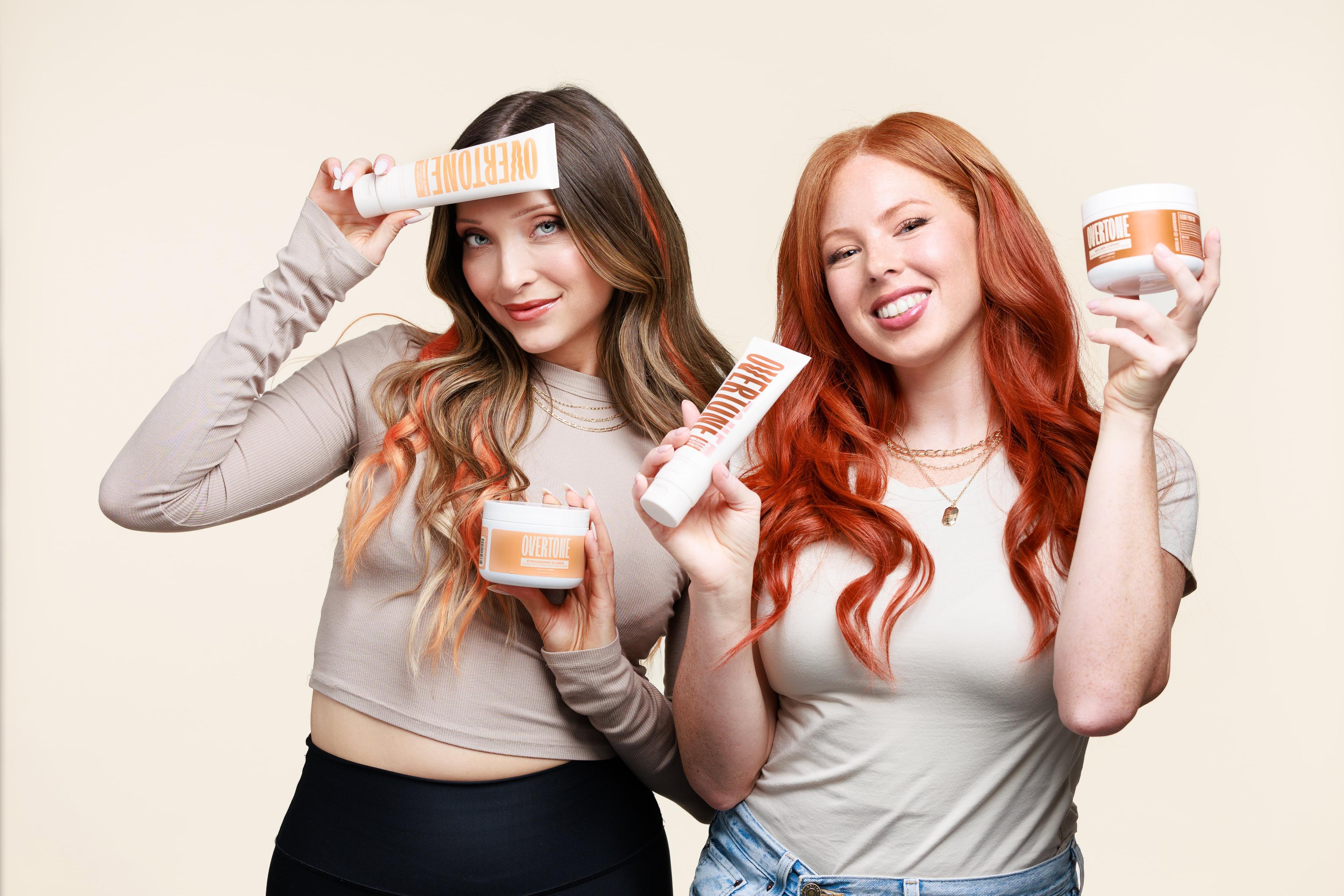
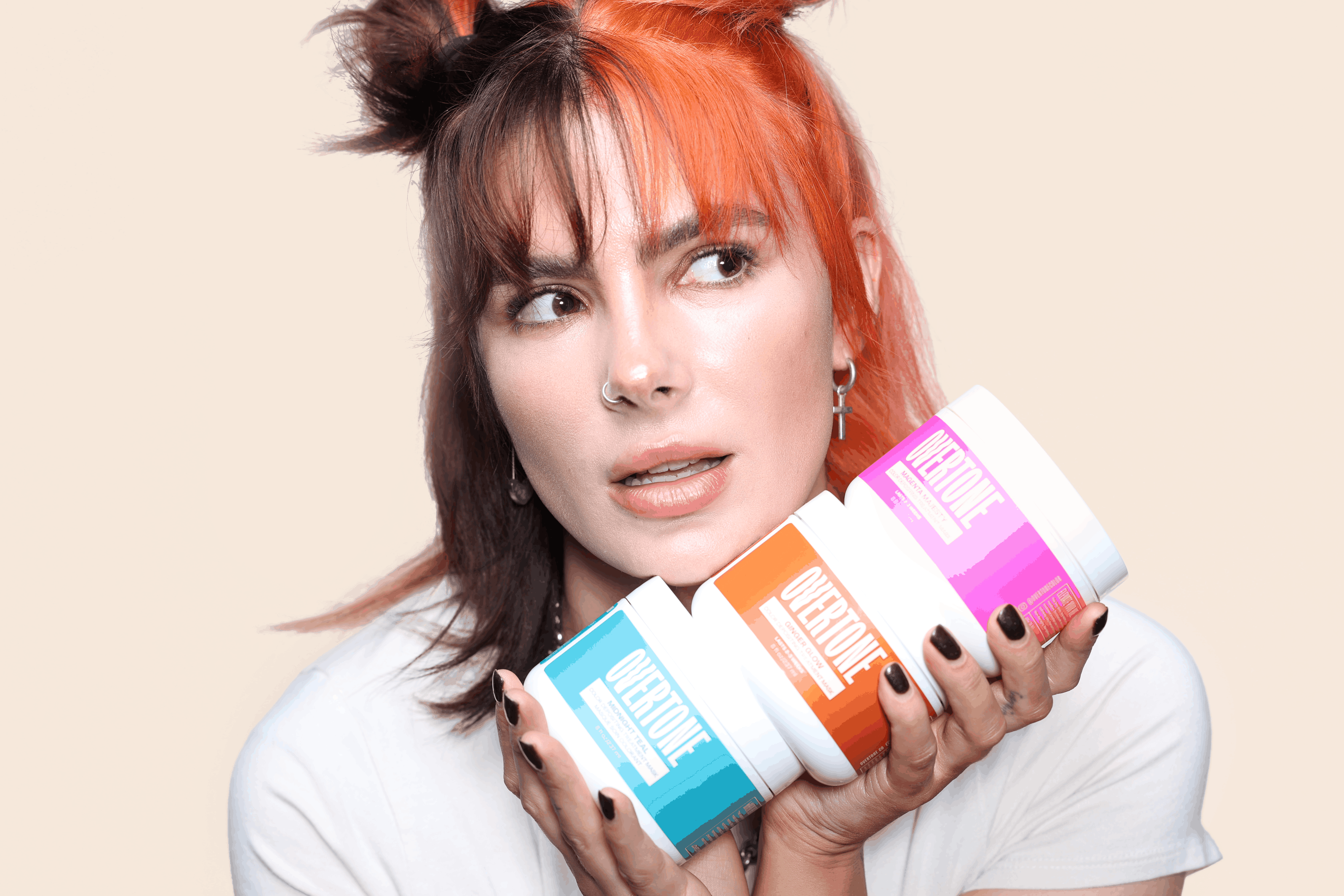
Products like Overtone Color Depositing Treatment Mask deliver pigment alongside deep conditioning ingredients, allowing color and care to happen at the same time.

WHY SLIP AND SOFTNESS MATTER DURING RINSING
One of the most noticeable differences with conditioner-based color is how hair feels when rinsing.
Traditional dye often leaves hair feeling tangled or resistant to fingers and combs. Conditioner-based color increases slip, which means:
-
Less pulling during rinsing
-
Reduced friction between strands
-
Lower risk of breakage
This alone can dramatically change how hair feels immediately after coloring.
HOW ELASTICITY CONTRIBUTES TO “HEALTHY-FEELING” HAIR
Elasticity is the hair’s ability to stretch slightly and return to shape without breaking.
Conditioned hair maintains better elasticity. When hair bends instead of snapping, it feels stronger and more resilient. Conditioner-based color supports this by preserving moisture and flexibility.
This isn’t just cosmetic. It’s a functional improvement in how hair behaves.
WHY SHINE OFTEN INCREASES AFTER CONDITIONER-BASED COLOR
Shine is created when the hair cuticle lies flat and reflects light evenly.
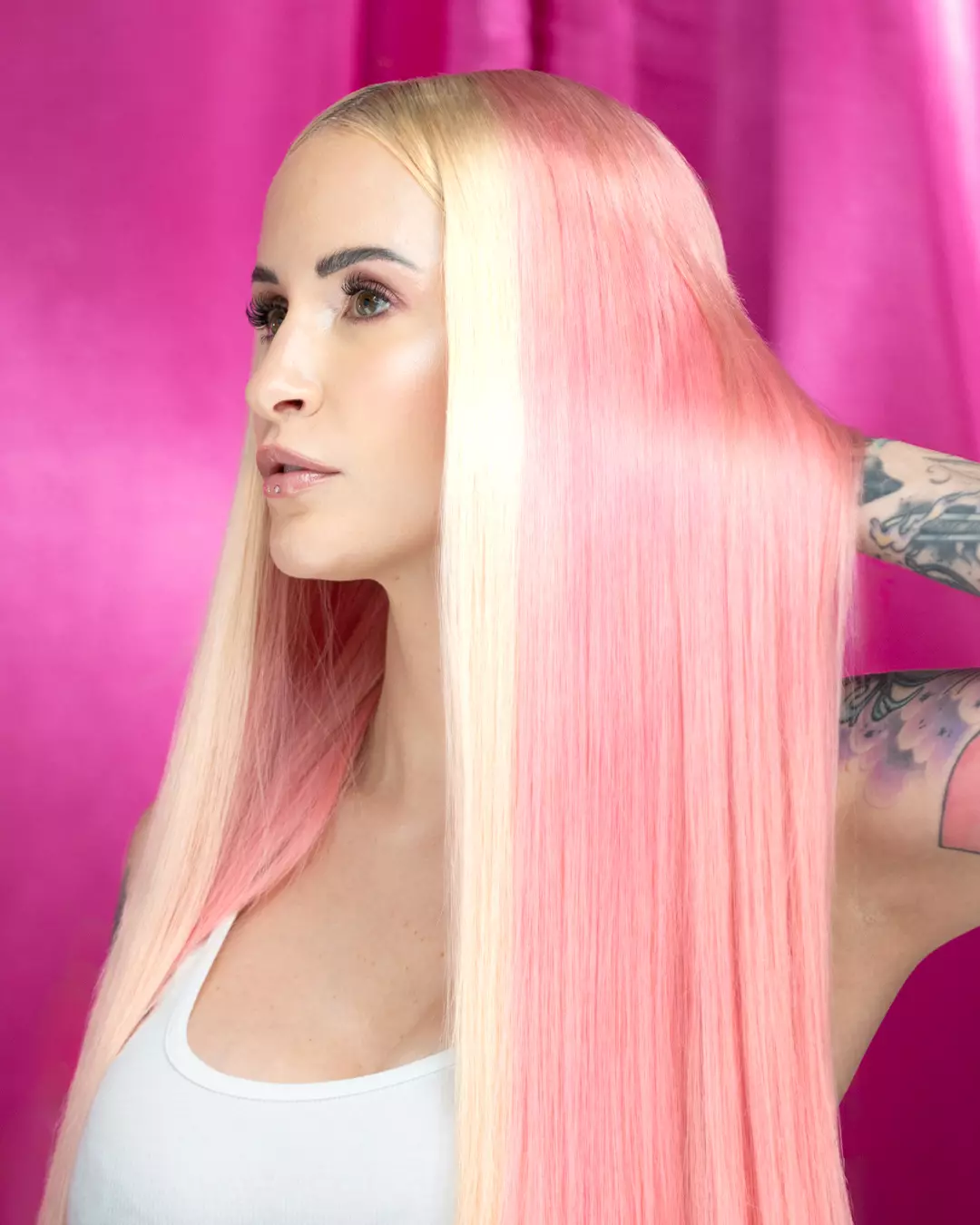
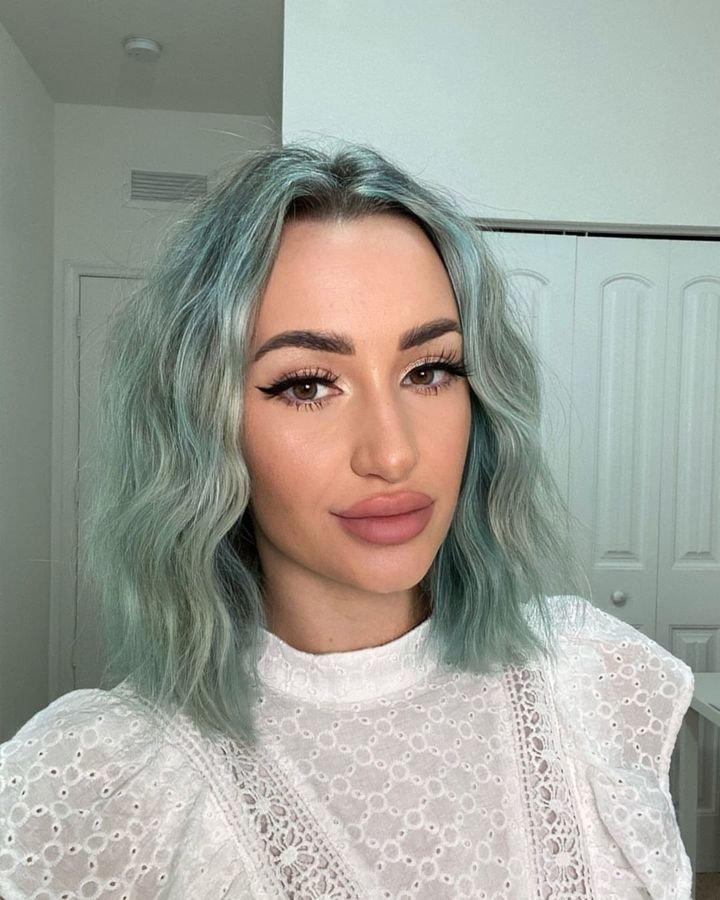
Conditioning ingredients help smooth the cuticle, which increases shine. This makes color appear richer and hair feel healthier.
People often associate shine with health, which reinforces the perception that hair feels better after coloring.
HOW GLOSS SUPPORTS THIS EFFECT WITHOUT ADDING PIGMENT
For people who want extra polish, The Gloss can be layered into a routine. Gloss enhances shine and smoothness without adding pigment, making it ideal for refining the appearance of color without increasing saturation.
Gloss supports the same cuticle-smoothing benefits that make conditioner-based color feel good.
WHY REPEATED USE DOES NOT COMPOUND DAMAGE
One of the biggest concerns with hair color is what happens over time.
Because conditioner-based color does not permanently alter hair structure, repeated use tends to reinforce conditioning rather than compound damage. Hair is not repeatedly stripped and rebuilt. It is consistently supported.
This is why many people notice their hair feels better weeks into using conditioner-based color, not worse.
HOW MAINTENANCE PRODUCTS REINFORCE SOFTNESS
Maintenance plays a key role in how hair feels between color applications.
Using Overtone Color Depositing Daily Conditioner allows pigment to be maintained gently while reinforcing moisture during normal wash days. This reduces the need for frequent full treatments and keeps hair feeling consistently soft.

WHY FINE HAIR BENEFITS FROM CONDITIONER-BASED COLOR
Fine hair is often more prone to breakage and tangling.
Conditioner-based color supports fine hair by:
-
Increasing slip
-
Reducing friction
-
Supporting elasticity
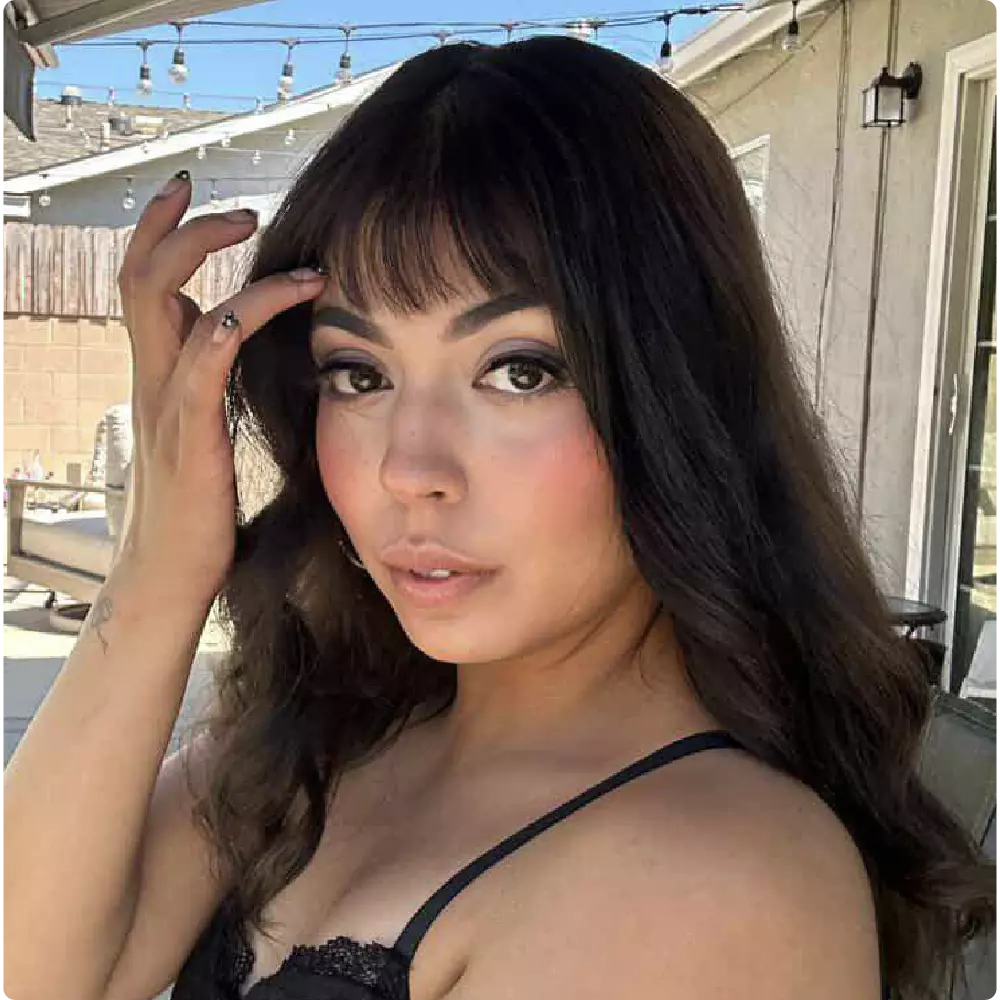
Instead of weighing hair down, properly formulated conditioning color systems help fine hair feel fuller and healthier.
WHY TEXTURED AND CURLY HAIR RESPOND ESPECIALLY WELL
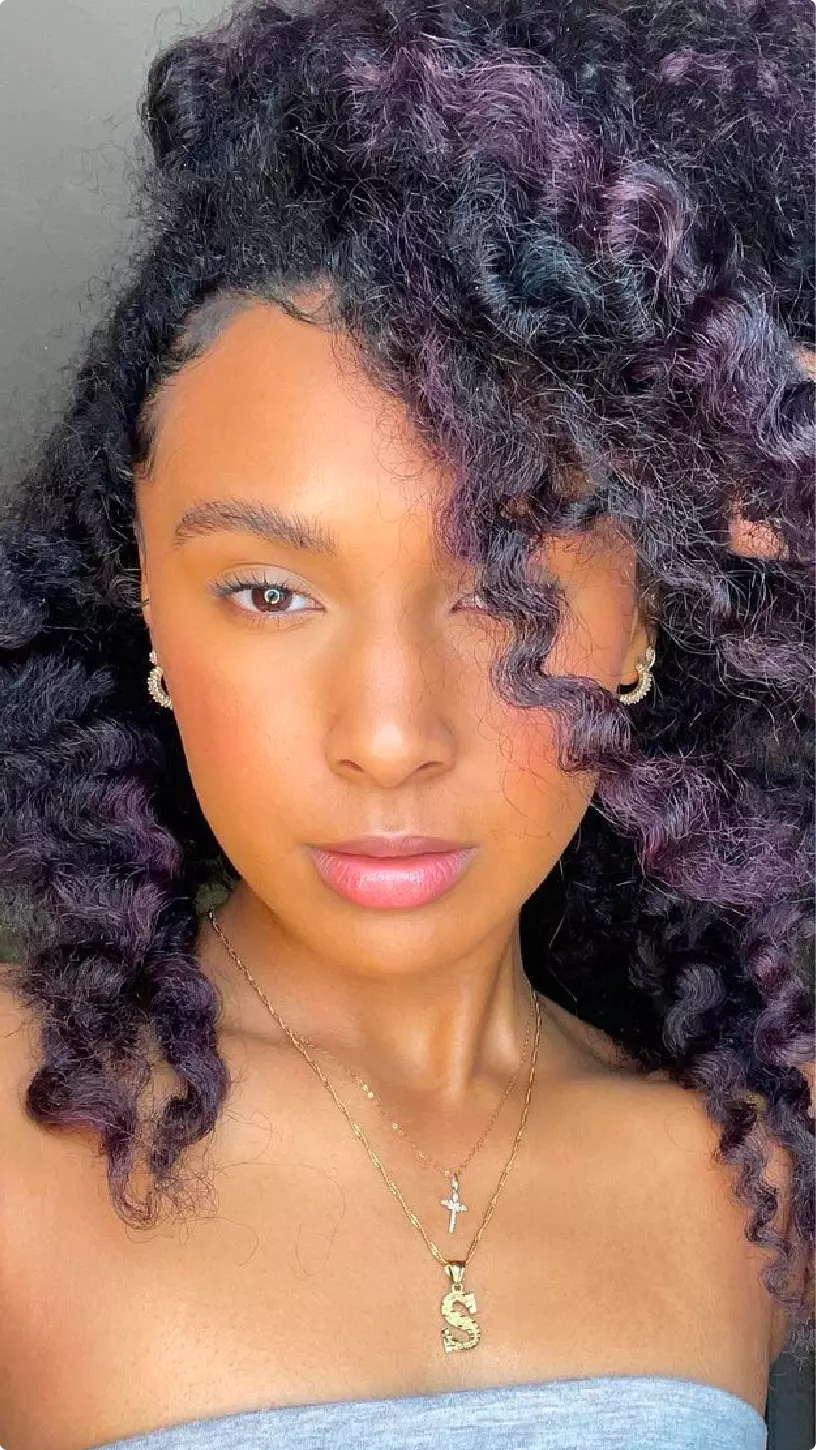
Curly and textured hair naturally struggles with moisture retention due to its shape.
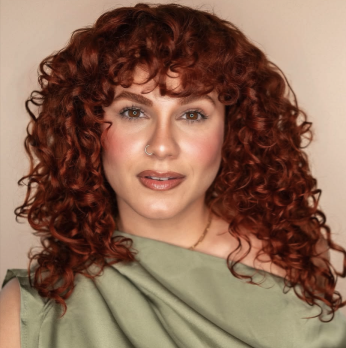
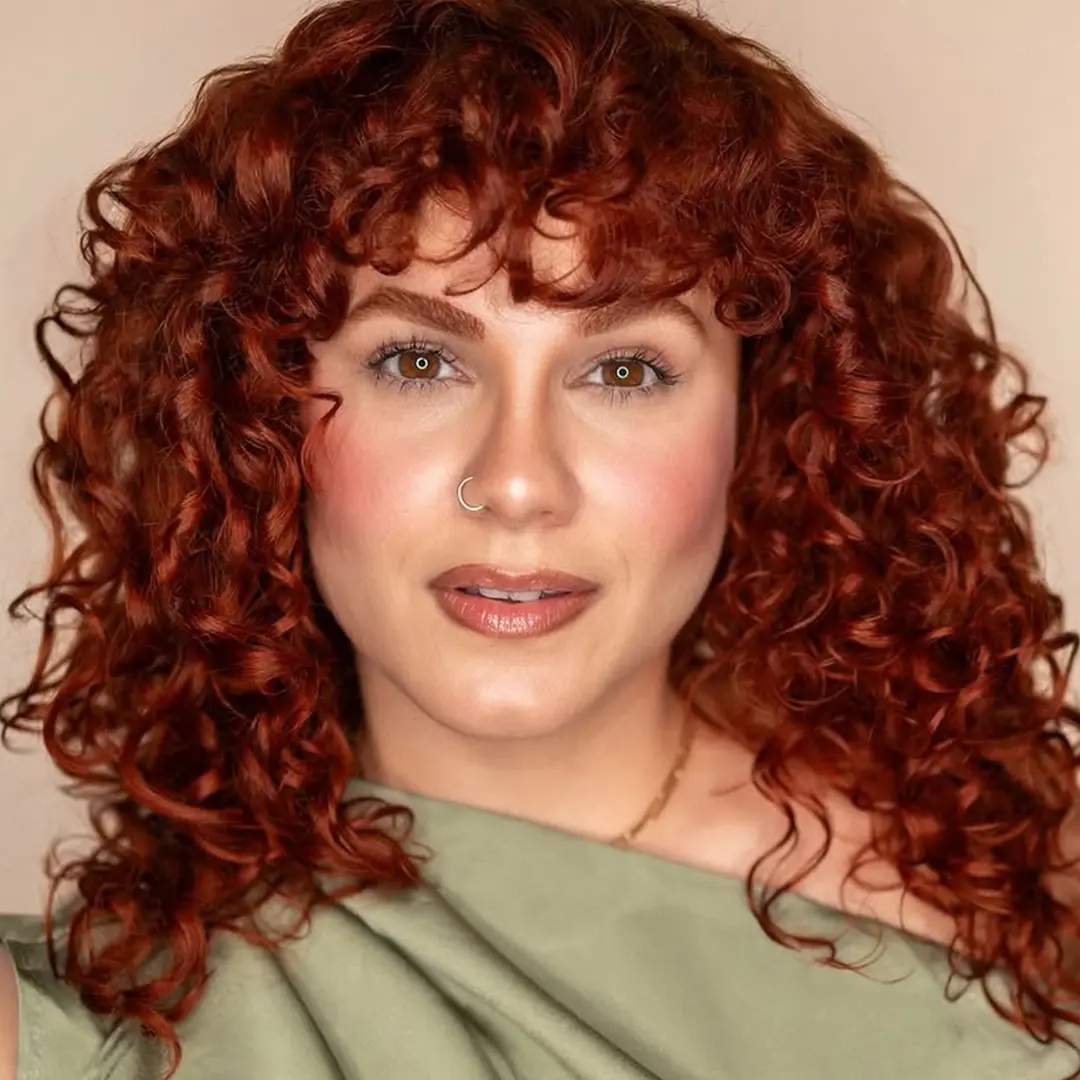
Conditioner-based color supports these hair types by delivering moisture while coloring, helping curls maintain definition and bounce rather than becoming dry or brittle.
This moisture-first approach aligns with the needs of textured hair.
HOW SCALP COMFORT INFLUENCES OVERALL HAIR FEEL
Hair health starts at the scalp.
Supporting scalp comfort can improve how hair grows and feels over time. Many people include The Revitalizer in their routine to support scalp health alongside conditioner-based color.
Healthy growth contributes to long-term softness and strength.
WHY CONDITIONER-BASED COLOR CHANGES EMOTIONAL EXPECTATIONS
The emotional experience of coloring matters.
When people expect damage, they approach color with anxiety. When hair feels better afterward, that anxiety is replaced with confidence and trust.
This shift often leads to more positive relationships with hair care overall.
HOW PREDICTABILITY IMPROVES SATISFACTION
Conditioner-based color behaves more predictably.
Hair feels soft after application. Fading happens gradually. Maintenance feels manageable. This predictability reduces stress and helps people feel in control of their color.
Control is a key factor in satisfaction.
Why softness is not an illusion
Some people assume hair only feels better temporarily.
While no product can permanently repair damaged hair, consistent conditioning supports hair behavior over time. Reduced friction, better moisture balance, and improved elasticity all contribute to lasting softness.
This is why the effect doesn’t disappear after one wash.
HOW HAIR HISTORY AFFECTS THE EXPERIENCE
Hair that has been bleached or chemically treated may feel an even bigger difference when switching to conditioner-based color.
Because these hair types are often drier and more porous, the added conditioning provides noticeable relief.
Virgin hair may experience subtler changes, but the benefits are still present.
WHY PEOPLE OFTEN DON’T WANT TO GO BACK
Once people experience coloring without the typical dryness or stiffness, it can be hard to return to traditional systems.
The idea that color must hurt hair begins to feel outdated.
Conditioner-based color reframes coloring as a supportive process rather than a sacrifice.
WHAT A CONDITIONER-BASED COLOR ROUTINE LOOKS LIKE IN PRACTICE
A balanced routine often includes:
-
Overtone Color Depositing Treatment Mask for intentional color refresh.
-
Overtone Color Depositing Daily Conditioner for ongoing maintenance.
-
The Gloss for shine and smoothness.
-
The Revitalizer for scalp support.
Each step reinforces softness rather than undermining it.
WHY “BETTER-FEELING HAIR” IS THE REAL DIFFERENTIATOR
Color can look good and still feel bad.
What sets conditioner-based color apart is not just appearance, but experience. Hair that feels good is easier to live with, easier to style, and easier to maintain.
That difference compounds over time.
THE TAKEAWAY
Hair often feels better after coloring with conditioner-based color because the system is designed to support the hair at every stage of the process.
By prioritizing moisture, elasticity, and cuticle smoothness, conditioner-based color challenges the assumption that coloring must come with damage. Softness is not a side effect. It’s the goal.
CHECK OUT OUR MOST POPULAR PRODUCTS

Vivid Violet Healthy Color Duo
