


WHY YOUR HAIR COLOR LOOKS DIFFERENT IN DIFFERENT LIGHTING
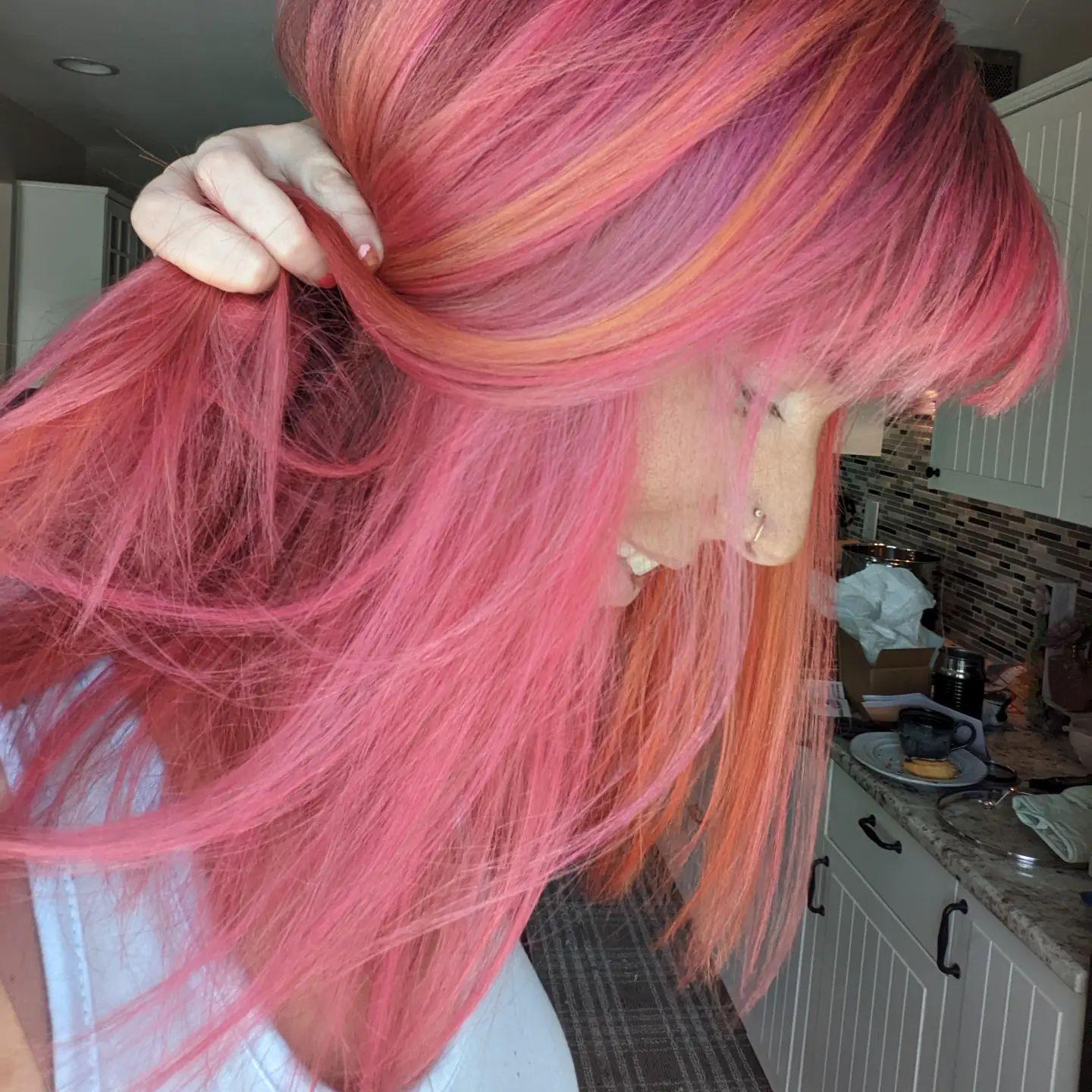
THE MOMENT THAT MAKES PEOPLE SECOND-GUESS THEIR COLOR
You color your hair, dry it, and feel good about it. Then you step into a different room, walk outside, or catch your reflection in a mirror with different lighting.
Suddenly, the color looks different.
Maybe it looks lighter than it did before. Maybe warmer. Maybe cooler. Sometimes it looks richer. Other times it looks softer or more muted. This moment often triggers doubt, even when the application went smoothly and the hair feels healthy.
Most people assume something went wrong. They think they chose the wrong shade, applied it incorrectly, or misunderstood what the color would look like.
In reality, what you are seeing is not a mistake. It is how hair color actually behaves.
Hair color is not static. It responds to light, movement, surface condition, and environment. Understanding this removes anxiety, prevents unnecessary reapplication, and helps you judge color more accurately.
HAIR COLOR IS REFLECTIVE, NOT FIXED
Hair color does not behave like paint or fabric dye.
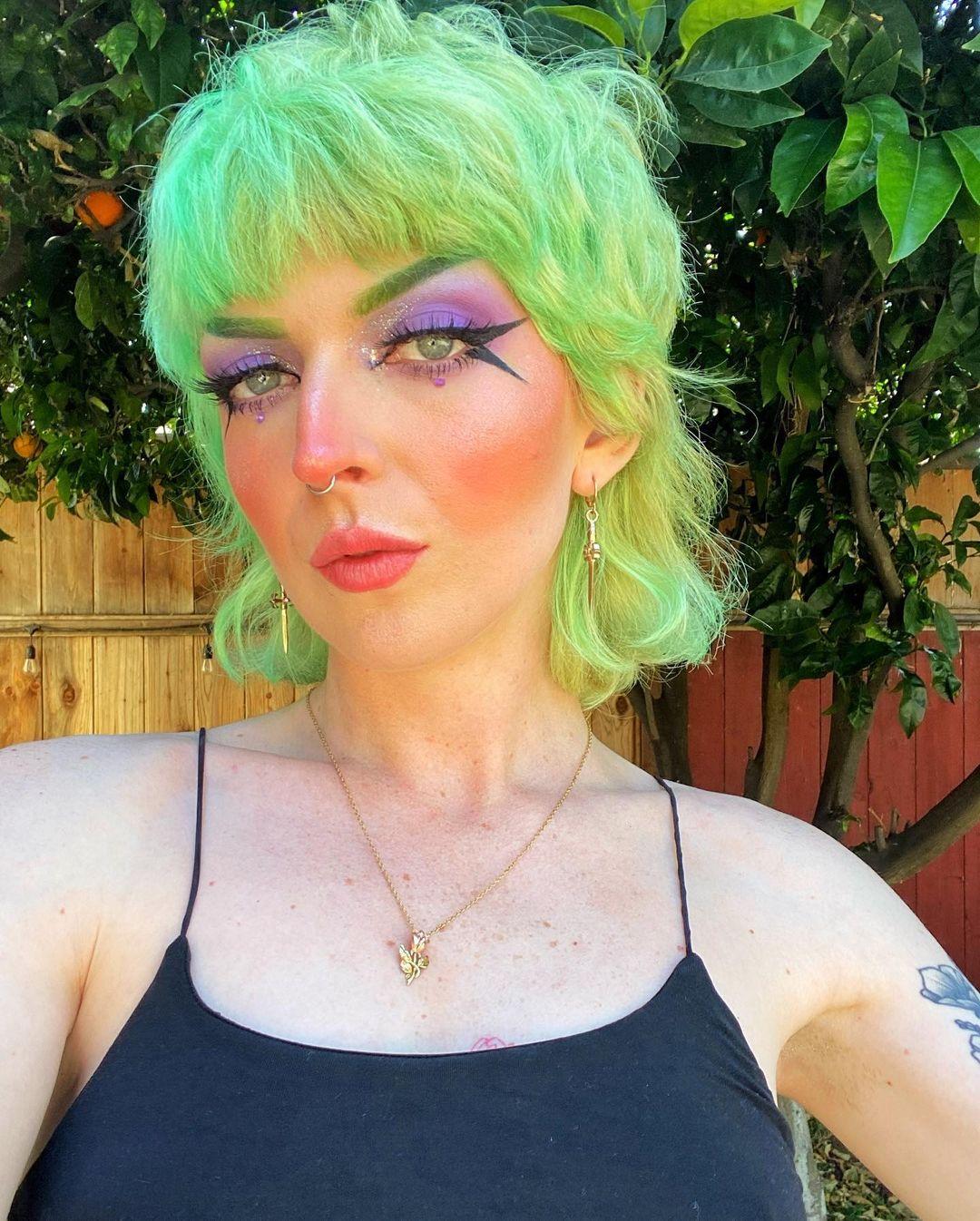
Hair is translucent and layered. Each strand reflects and absorbs light differently depending on angle, movement, and surface smoothness. Pigment sits within and around fibers that twist, overlap, and shift constantly.
Because of this, hair color cannot look identical in every situation. It is designed to have dimension, not uniformity.
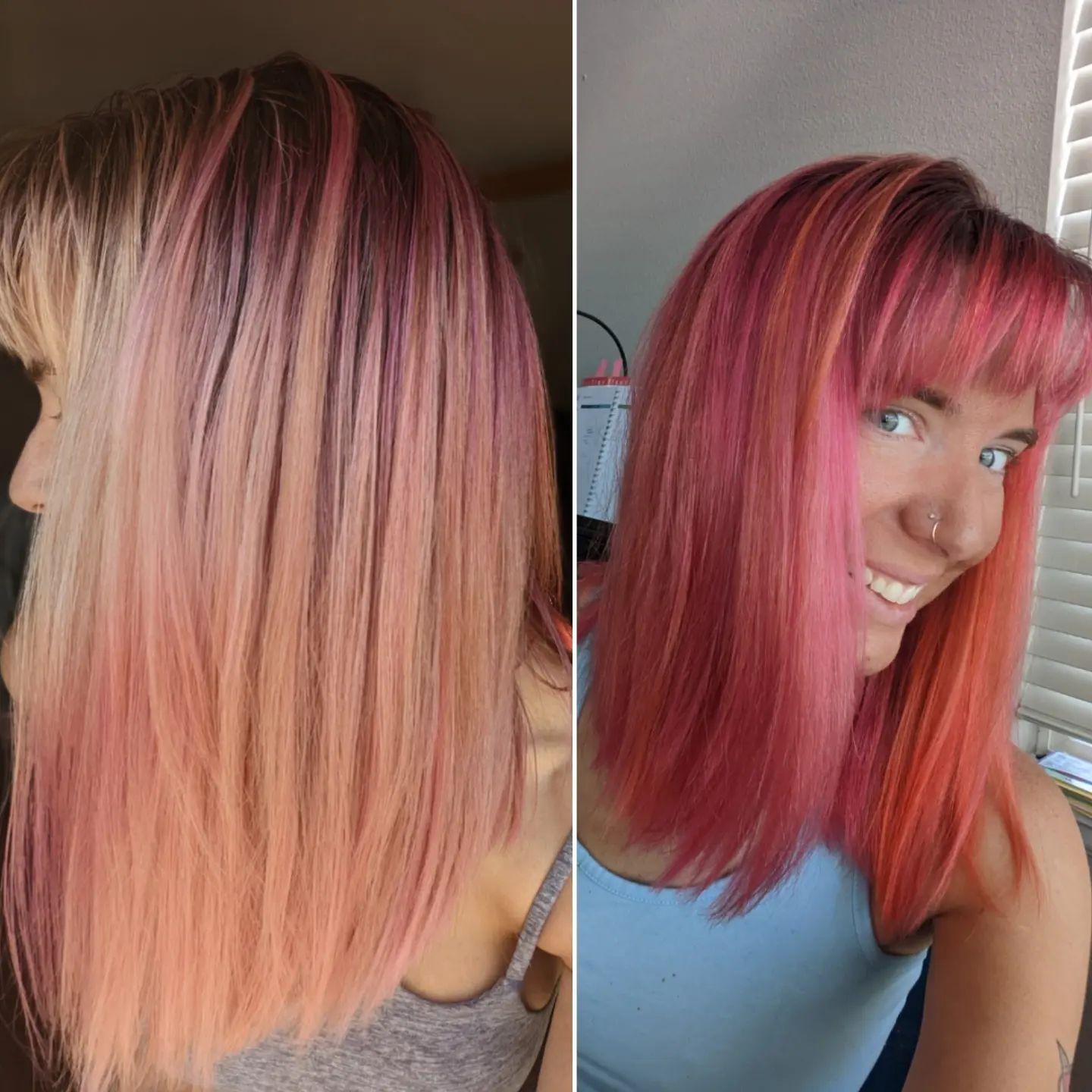
THE THREE LIGHTING FACTORS THAT AFFECT HAIR COLOR MOST
How hair color appears is influenced by three core properties of light.
Direction of Light
Light coming from above, behind, or the side highlights different layers of hair. Overhead lighting emphasizes depth, while side lighting emphasizes texture and dimension.
Temperature of Light
Light can be warm, neutral, or cool.
-
Warm light enhances reds, golds, and coppers
-
Cool light emphasizes blues, violets, and ash tones
-
Neutral light offers the most balanced view
Intensity of Light
Bright light reveals contrast and undertones. Dim light blends tones together and deepens appearance.
Every environment combines these elements differently, which is why color perception shifts.
WHY DOES MY HAIR LOOKS DIFFERENT INDOORS VERSUS OUTDOORS?
Indoor Lighting
Most indoor lighting is warm and directional. It tends to:
-
Enhance warmth
-
Reduce visible contrast
-
Make color appear richer or deeper
Bathrooms amplify this effect because of overhead lighting, mirrors, and reflective surfaces.
Natural Daylight
Natural light is more balanced and diffuse. It tends to:
-
Reveal undertones
-
Increase contrast
-
Show the true depth of the base color
This is why hair often looks lighter or more neutral outdoors. Neither view is more correct. They are simply different interpretations of the same color.
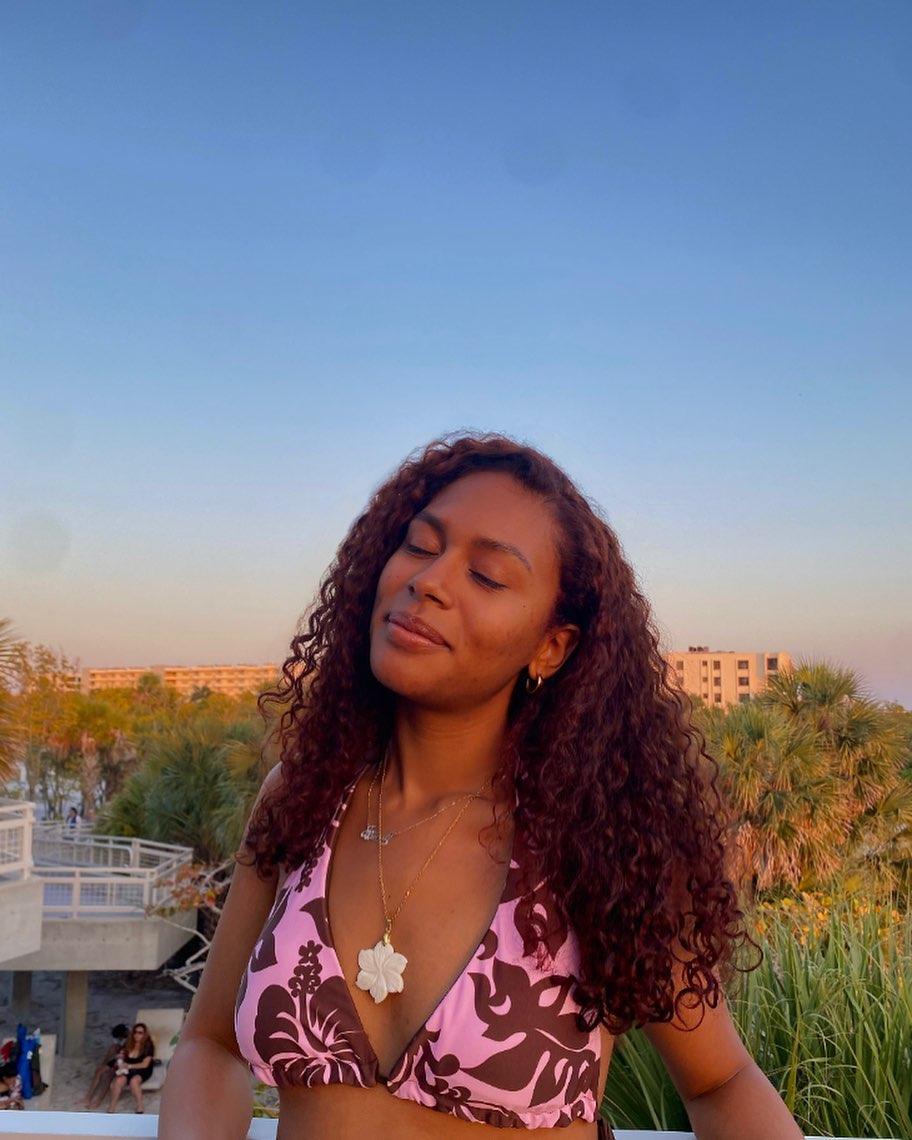
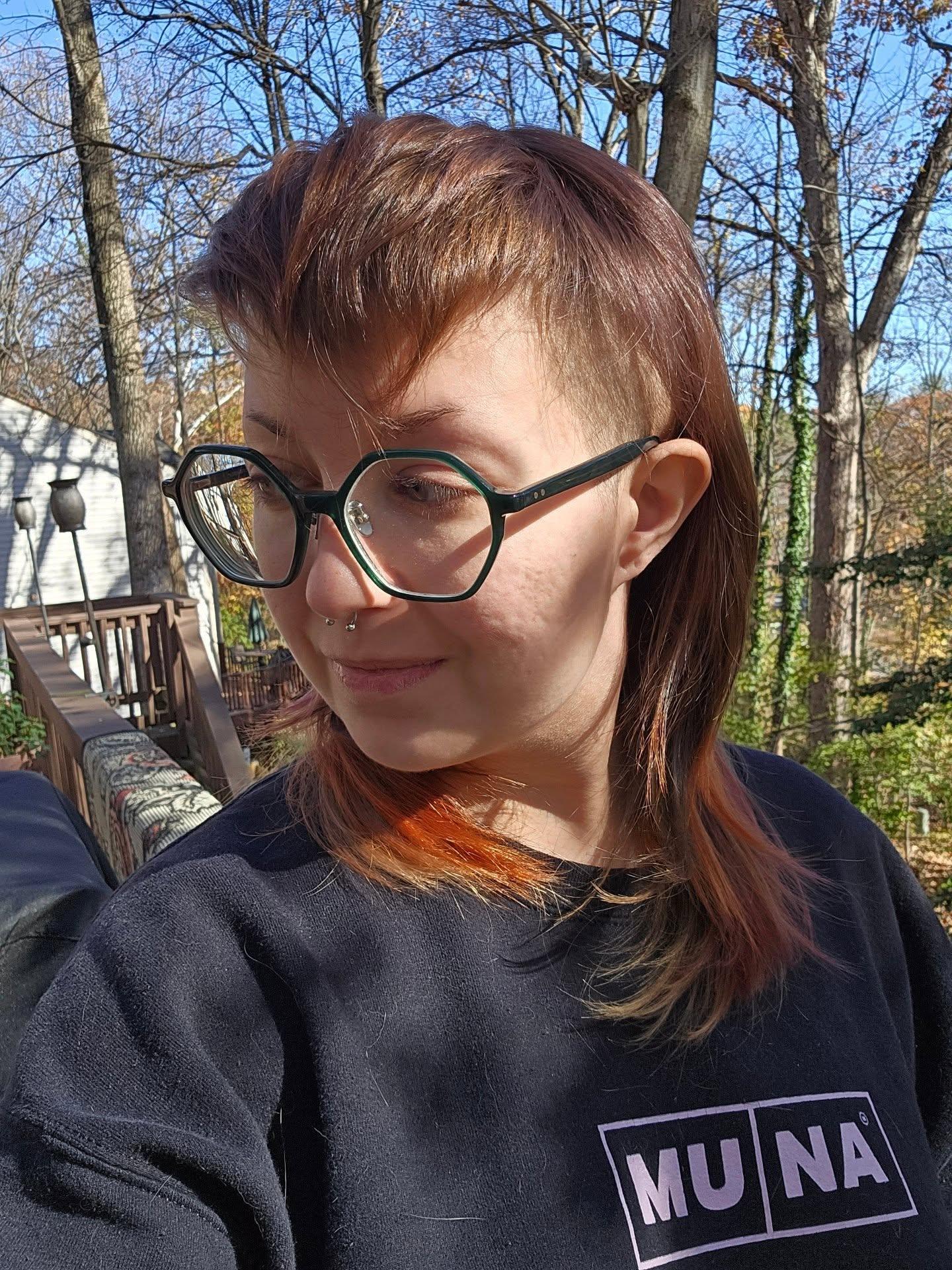
WHY DO UNDERTONES APPEAR AND DISAPPEAR?
Every hair color contains undertones, even shades described as neutral. Lighting determines which undertones become visible.
-
Warm light pulls forward red and gold tones
-
Cool light pulls forward blue and violet tones
-
Bright light separates undertones
-
Low light blends them
This is why the same color can look warm in one room and cool in another without fading or changing.
THE ROLE OF SHINE IN COLOR PERCEPTION
One of the biggest factors in how color looks is not pigment. It is surface condition.
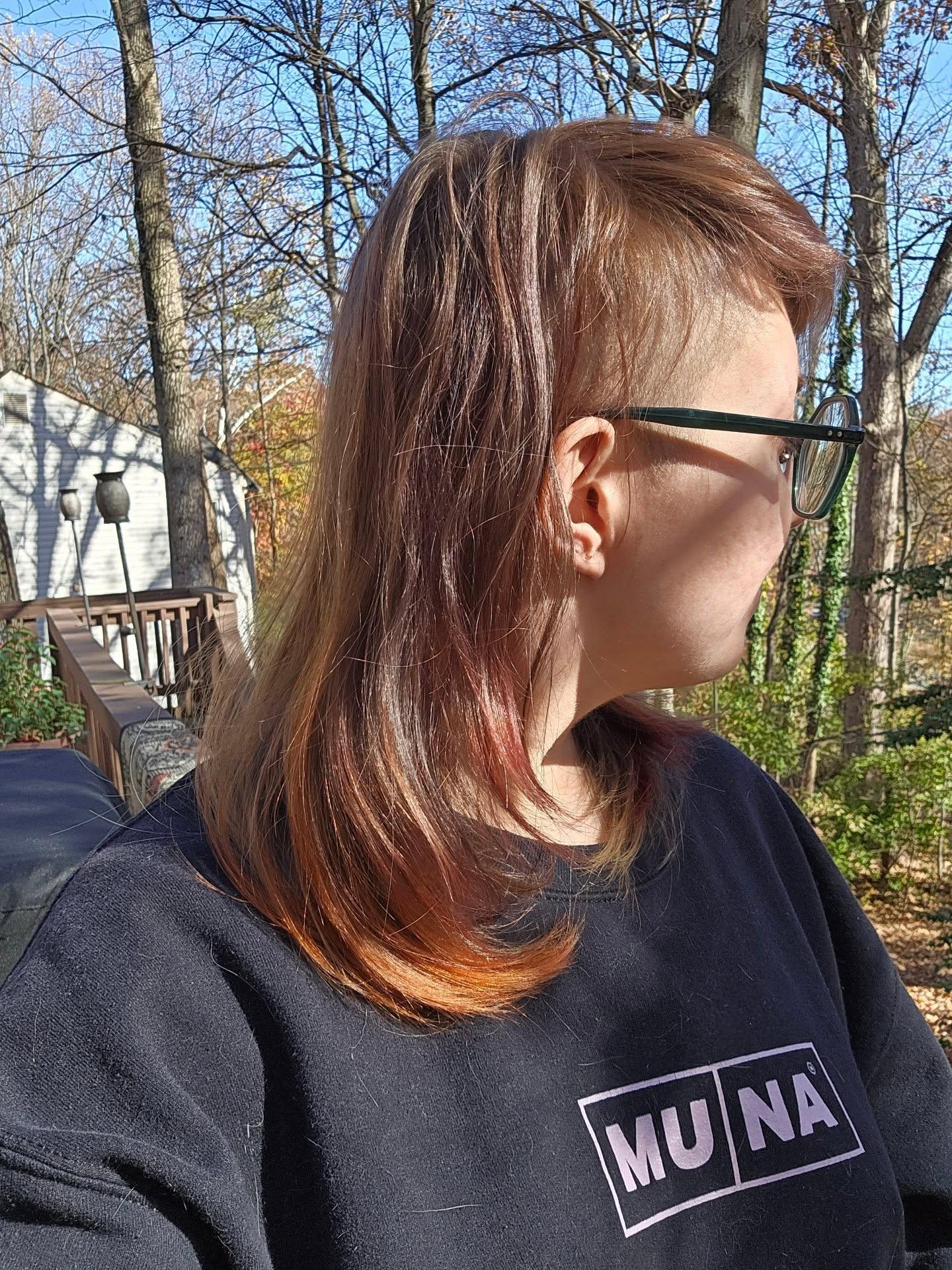
Hair with a smooth cuticle reflects light evenly. Hair with a rough cuticle scatters light.
When the cuticle is smooth:
-
Color looks richer
-
Tone looks more even
-
Dimension appears intentional
When the cuticle is rough:
-
Color looks dull
-
Undertones can appear uneven
-
Hair may look flatter or darker than expected
This is why improving surface smoothness can dramatically change how color looks without adding pigment.
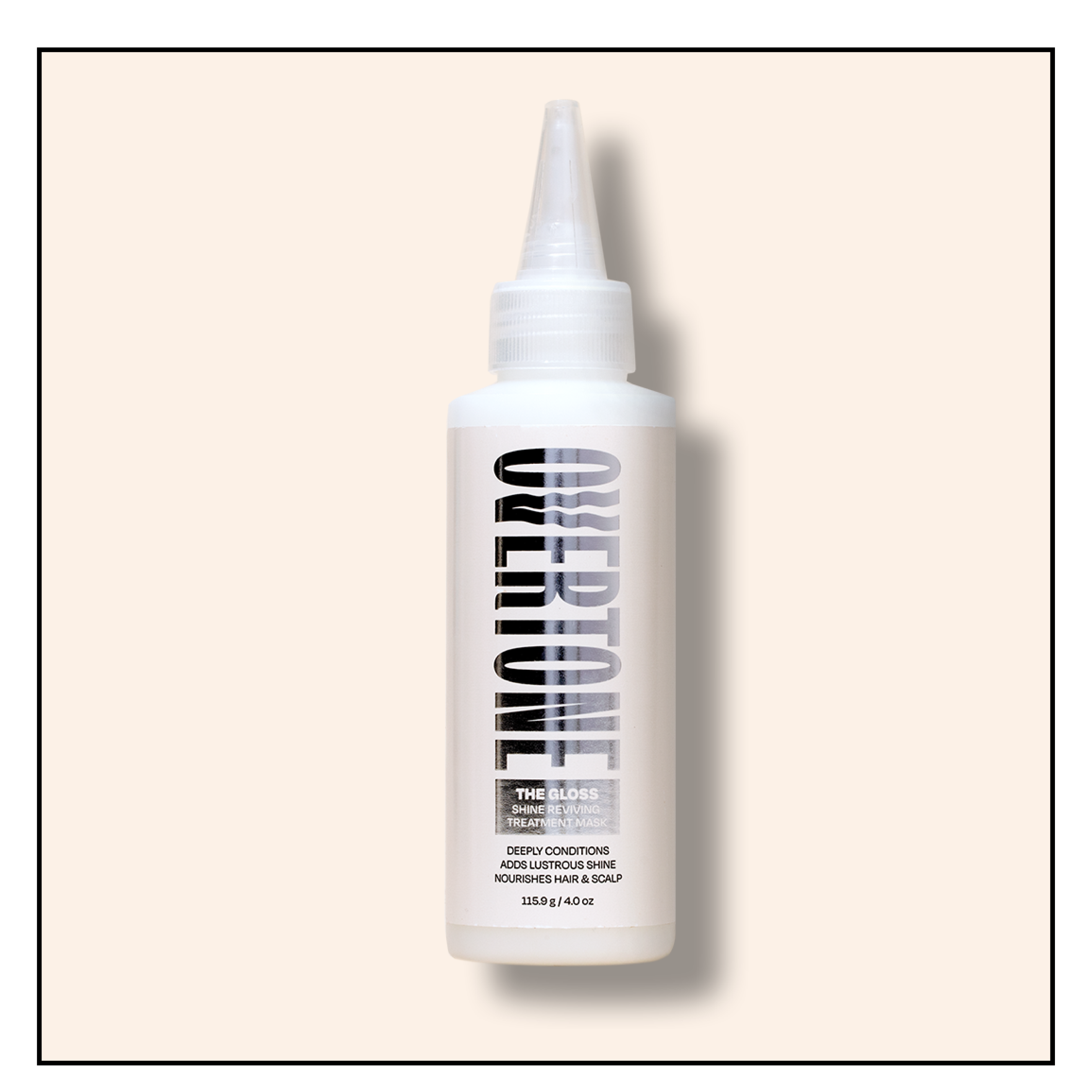
The Gloss products are often used to refine reflectivity so existing color looks more polished across lighting conditions.
WHY DOES MY HAIR COLOR CHANGES WHEN HAIR MOVES?
Hair rarely stays still. Movement alters how light hits each strand.
As hair moves:
-
Different layers catch the light
-
Highlights appear and disappear
-
Shadows shift
This creates visual variation that reads as dimension. If color looks different when you move your head, that is usually a sign of healthy movement and reflectivity, not inconsistency.
WHY DOES WET HAIR ALWAYS LOOKS DARKER?
Wet hair always looks darker. This is universal.Water reduces surface reflection and increases light absorption, temporarily deepening color appearance. This is why freshly rinsed hair can look shocking before it dries.
Final color should always be judged on fully dry hair in neutral lighting.
WHY DOES HAIR COLOR LOOKS DIFFERENT IN PHOTOS?
Photos are not an accurate representation of hair color.
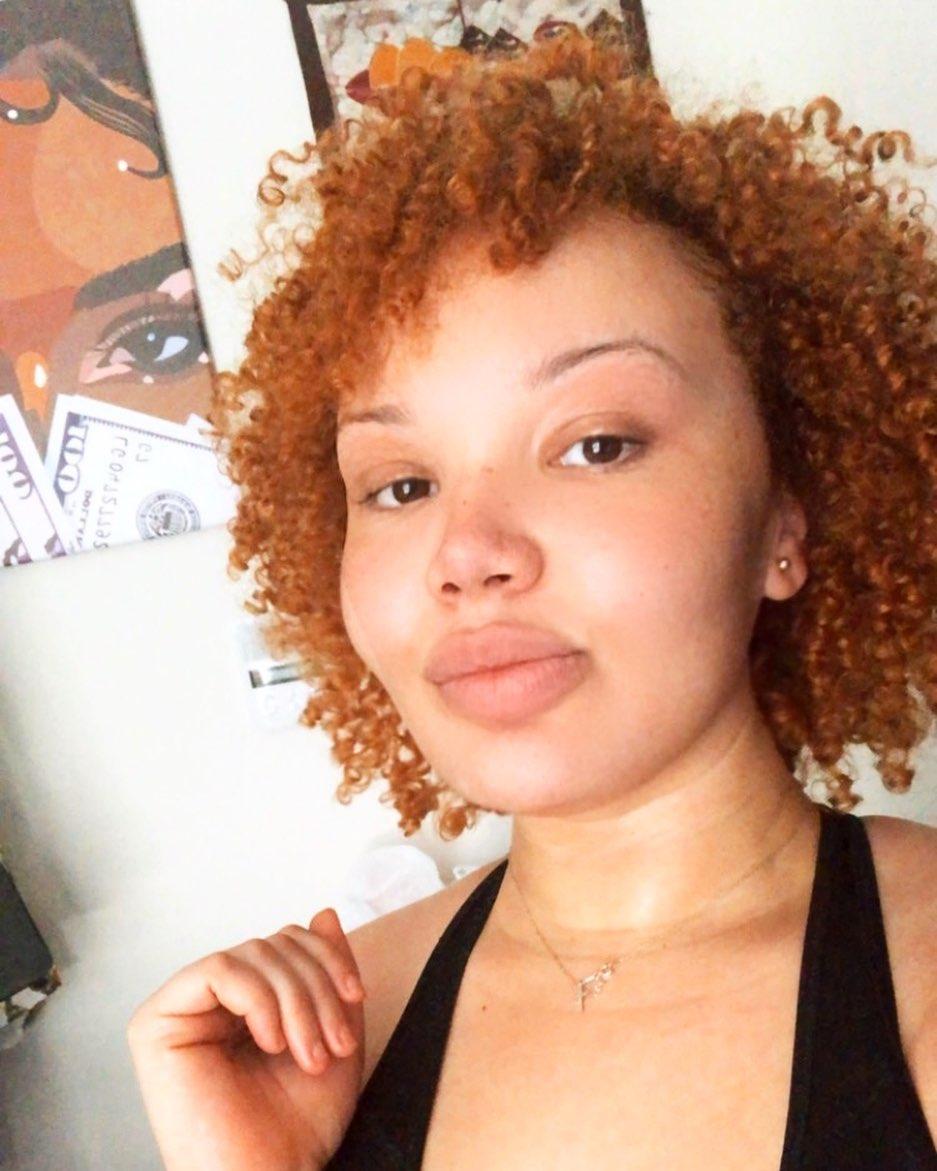
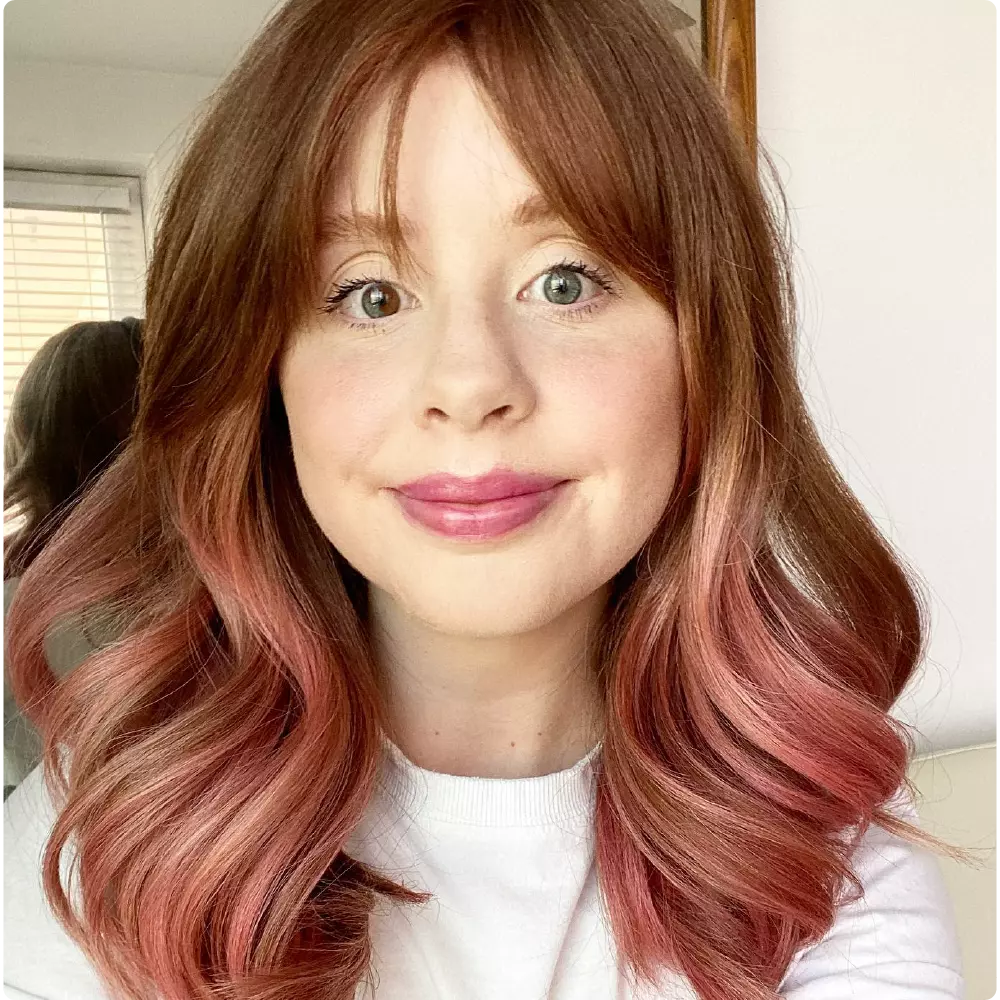
Cameras automatically adjust exposure, contrast, and white balance. Front-facing phone cameras exaggerate this even more. Filters and editing amplify the effect.
This is why:
-
Hair looks different in selfies
-
Screenshots do not match mirrors
-
Online comparisons can be misleading
If your hair looks good in person but different in photos, the issue is the camera, not the color.
HOW DO DIFFERENT COLOR FAMILIES REACT TO LIGHT?
Not all colors react the same way.
Reds and Coppers
These often look warmer indoors and brighter in sunlight.
Blues and Purples
These can appear deeper indoors and softer outdoors.
Browns and Neutrals
These tend to show more dimension in daylight and more uniform depth indoors.
Pastels
Pastels are extremely light-sensitive and may appear stronger indoors and barely visible in bright sunlight.
These shifts are normal and expected.
HOW DOES HAIR POROSITY CHANGES COLOR PERCEPTION?
Porosity refers to how easily hair absorbs and releases moisture and pigment.
Low-porosity hair has a smoother cuticle. Light reflects more evenly, which can make color appear polished but sometimes softer.
High-porosity hair has a more open cuticle. Pigment penetrates easily, but light scatters more, creating variation depending on lighting.
This is why two people using the same shade can see different results across environments.
WHY DOES PREVIOUSLY COLORED OR BLEACHED HAIR SHOWS MORE VARIATION?
Hair that has been bleached or permanently dyed often shows the biggest lighting shifts. This type of hair typically has:
-
Higher porosity
-
Less uniform cuticle structure
-
Greater reflectivity variation
In natural light, highlights and ends may appear lighter. Indoors, tones often blend together more smoothly. This does not mean the color is unstable. It means the hair has visual texture.
WHY DOES TEXTURE INFLUENCES HOW COLOR IS SEEN?
Straight hair reflects light more evenly because the cuticle lies flatter. Color often looks shinier and more uniform.
Curly and coily hair reflects light at multiple angles, creating natural highs and lows in brightness even when pigment is consistent.
This is why textured hair often looks more dimensional and dynamic, but also why color can look different depending on curl definition and styling.
WHY DOES MY COLOR CAN LOOK “OFF” ON CERTAIN DAYS?
Sometimes color looks different day to day even in the same lighting. This can be due to:
-
Product buildup
-
Environmental residue
-
Changes in moisture levels
-
Humidity or dryness
When the hair surface is coated or dehydrated, light does not reflect evenly. Color can appear dull or flat even when pigment has not changed.
HOW DOES CONDITIONING AND MAINTENANCE IMPROVE VISUAL CONSISTENCY?
Maintaining surface condition helps color look more consistent.
Conditioning supports cuticle alignment and light reflection. This often restores confidence in color without reapplying pigment.
Overtone Color Depositing Daily Conditioner reinforces tone gradually while supporting softness, which helps color look intentional across lighting conditions.
WHEN DO I REFRESH COLOR VERSUS WHEN TO ADJUST SHINE?
Before reapplying color, consider:
-
Does the color change instantly with lighting?
-
Does it look better after conditioning or styling?
-
Is the pigment actually lighter, or just less shiny?
If the shift is lighting-based, reapplication may not be necessary. If color looks consistently lighter across environments, refreshing pigment may make sense.
WHY DOES UNDERSTANDING THIS PREVENTS OVER-COLORING?
Many people reapply color too often because they think something went wrong. This can lead to:
-
Unintended buildup
-
Color getting deeper than planned
-
Frustration with results
Understanding how color behaves allows for calmer, more intentional decisions.
FREQUENTLY ASKED QUESTIONS
-
Natural light reveals base color and contrast more clearly.
THE TAKEAWAY
Hair color is not meant to look identical everywhere.
It is meant to move, reflect, and respond to its environment. When color looks different in different lighting, that is not failure. It is dimension.
Understanding how lighting, texture, porosity, and surface condition affect perception helps you judge results more accurately, avoid unnecessary reapplication, and appreciate the nuance that makes hair color look natural rather than flat.
When hair color looks good in motion, across lighting, and over time, it is doing exactly what it should.
CHECK OUT OUR MOST POPULAR PRODUCTS

Magenta Majesty Healthy Color Duo
