


WHY BOLD HAIR COLOR LOOKS DIFFERENT ON EVERYONE
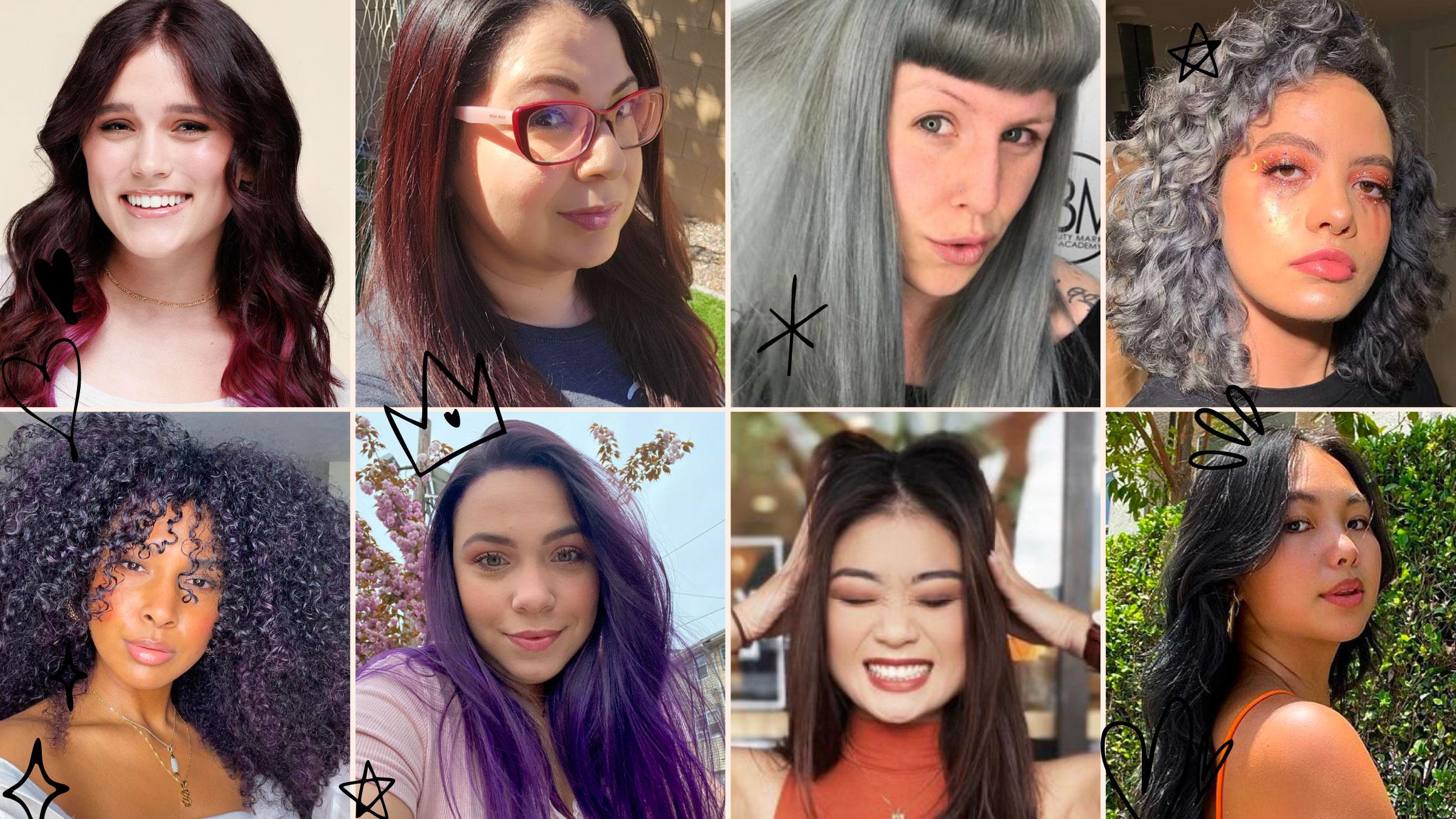
Bold hair color is one of the most expressive forms of self-expression in beauty, but it is also one of the most misunderstood. Many people approach bold shades with the expectation that color behaves like paint: choose a shade, apply it evenly, and receive a predictable result. When that does not happen, disappointment often follows. In reality, bold hair color does not work like paint at all. It works more like a transparent filter layered over an existing surface. That surface varies from person to person, which is why bold color never looks exactly the same on everyone.
Understanding this difference is the single most important step in getting results that feel satisfying rather than frustrating. Bold color is not broken when it looks different on different heads. It is behaving exactly as designed.er than reactive.
WHY BOLD HAIR COLOR IS INHERENTLY VARIABLE
Bold hair color is designed to sit on top of the hair cuticle rather than permanently altering the internal structure of the strand. This allows color to be vibrant, flexible, and conditioning, but it also means the existing color underneath remains visible. Natural hair pigment, previous dye, bleach history, and porosity all interact with the pigment you apply.
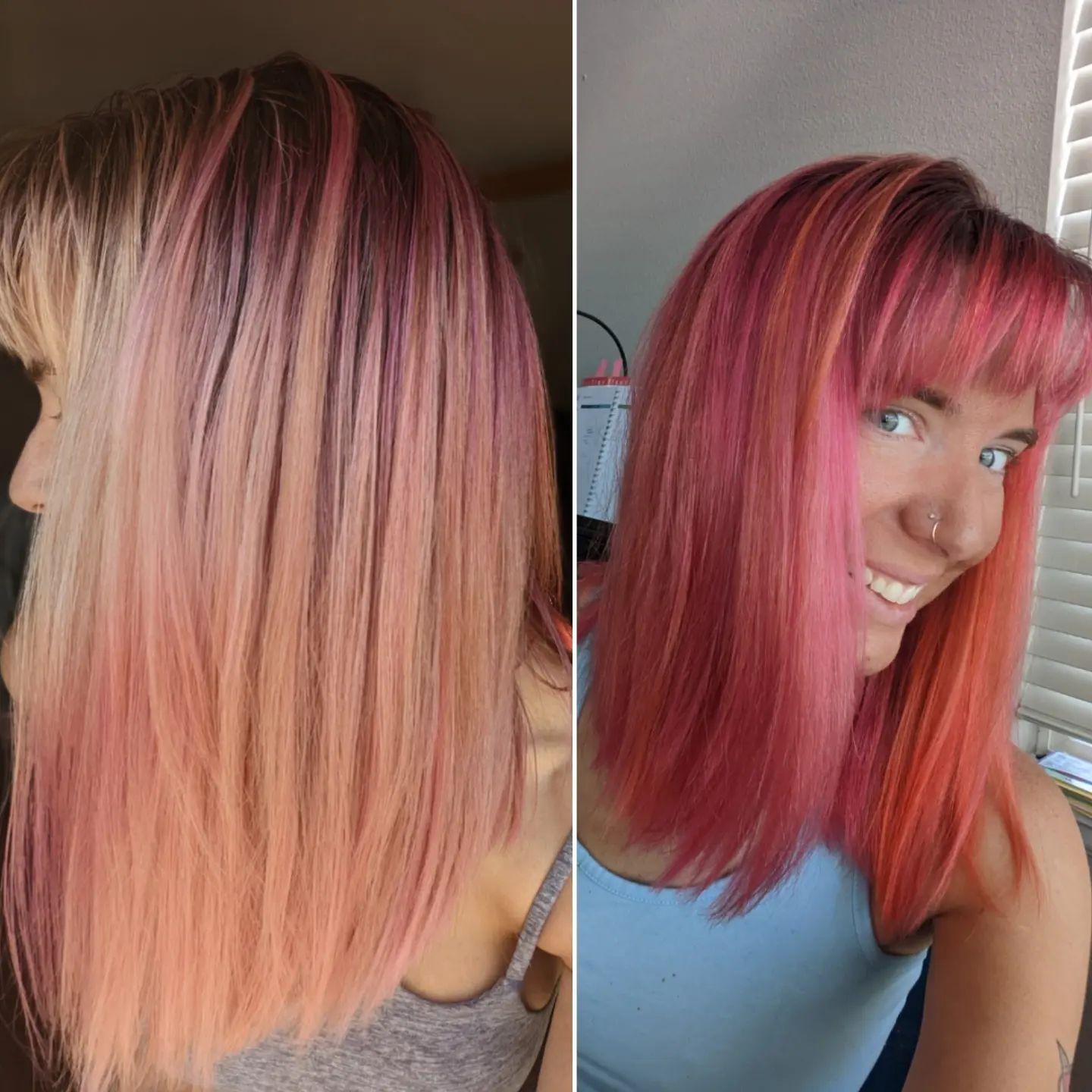
Because bold shades are transparent by nature, they blend with what is already there. This is what creates dimension and movement, but it also means results depend heavily on starting conditions. The same jar of color can produce dramatically different outcomes depending on the canvas beneath it.
STARTING HAIR COLOR MATTERS MORE THAN SHADE NAME
The most important factor in how bold hair color turns out is starting hair color. This matters far more than the shade name on the label.
-
On very light blonde hair: bold colors appear closest to what is shown on shade charts. Pigment shows clearly, undertones are minimal, and lighter shades like pastels are possible. This is why many marketing images feature blonde hair. It provides the clearest demonstration of pigment.
-
On medium brown hair: bold colors deepen and become richer. Reds and purples tend to show most clearly because they align with natural warmth. Blues and greens often appear darker and more jewel-toned. Pastels rarely show at all without lightening first.
-
On dark brown or black hair: bold color becomes tonal rather than vivid. Pigment enhances undertone and shine rather than overtaking the base. Color is most visible in direct sunlight or bright indoor lighting. This stained-glass effect is still color, but it is not high-contrast.
These outcomes are not failures. They are different expressions of the same pigment interacting with different bases.
WHY ARE SHADE CHARTS ARE MORE IMPORTANT THAN PHOTOS?
One of the biggest mistakes people make with bold color is relying on lifestyle photos rather than shade charts. Lifestyle photos are styled, lit, and often shot on pre-lightened hair. They are meant to inspire, not instruct.
Shade charts exist to answer a practical question: what will this look like on hair like mine? They show how pigment translates across different starting levels and help set realistic expectations. Ignoring shade charts is one of the fastest ways to end up disappointed.
When evaluating bold color, shade charts should always outweigh promotional imagery. They are the most honest representation of what pigment can realistically do.
HOW DO I READ A SHADE CHART CORRECTLY?
Many people glance at shade charts without truly using them. To read a shade chart properly, you must first identify the example closest to your current hair color. Do not compare yourself to the lightest swatch if your hair is darker. Focus on level, not just tone.
Shade charts are guides, not guarantees. They show how pigment behaves on different bases, not a promise of exact replication. Understanding this helps prevent unrealistic expectations before you ever apply color.

WHY BLEACH CHANGES EVERYTHING FOR BOLD COLOR?
Bleach removes natural pigment from the hair, creating a lighter canvas. When the canvas is lighter, bold pigment has less competition. This allows colors to appear brighter, clearer, and closer to what you see on the jar.
Bleach does not make color stronger. It removes what interferes with it. This distinction matters because it explains why bleach is often recommended for pastel or neon results. Without lightening, those shades simply do not have enough contrast to show.
WHEN DOES BLEACH MAKES SENSE AND WHEN IT DOES NOT?
Bleach makes sense if your goal is high-impact, high-contrast color. If you want neon pink, electric blue, or true pastel, lightening is usually necessary. Bleach may also be appropriate if your hair is very dark and you want the result to closely resemble the shade chart example shown on light hair.
Bleach may not be necessary if you prefer subtle, tonal results or want color that enhances natural depth rather than overtaking it. Many people intentionally choose bold color without bleach because they like the stained-glass effect and lower maintenance.
Neither choice is better. They are simply different creative decisions.
WHY SATURATION AFFECTS BOLDNESS BUT HAS LIMITS?
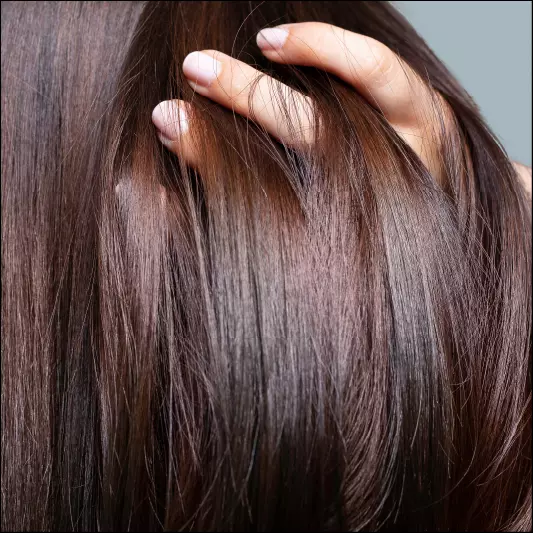
Saturation refers to how thoroughly the hair is coated with product. Fully saturating the hair ensures even pigment distribution and prevents patchiness. Higher saturation generally leads to deeper, more noticeable color.
However, saturation cannot override a dark base. Applying more product or layering multiple applications will deepen tone, but it will not turn dark hair neon without lightening. Understanding this limit prevents overuse and buildup.
WHY TIMING IS JUST AS IMPORTANT AS SATURATION?
How long color is left on the hair plays a major role in the final result. Pigment needs time to settle onto the hair fiber. Typical processing ranges include fifteen minutes for a soft tint, twenty minutes for noticeable color, and up to thirty minutes for maximum deposit.
Leaving color on longer does not damage the hair, but it does increase depth. If your color is already where you like it, extending time further may make it darker than intended.
HOW DOES HAIR HISTORY CHANGES BOLD COLOR RESULTS?
Hair that has been bleached, permanently dyed, or heavily heat styled behaves differently than virgin hair. These processes increase porosity, allowing pigment to absorb quickly but also release faster during washing.
High-porosity hair may look very vibrant initially but fade faster. Low-porosity hair may take longer to show color but often holds it more evenly. This is why two people with similar starting shades can still see different results.
BOLD COLOR AND GRAY HAIR EXPECTATIONS
Gray hair interacts uniquely with bold pigment. Because gray hair lacks natural pigment, bold color blends rather than fully covers. Results often appear softer or more pastel, especially on coarse or resistant gray strands.
This blending effect creates dimension rather than uniform coverage. It is important to understand that bold color is not designed for full gray coverage, and results vary depending on texture and porosity.
WHY DOES BOLD COLOR FADES FASTER THAN NATURAL SHADES?
Bold color fades more quickly because it sits closer to the surface of the hair. Washing, water temperature, shampoo choice, and porosity all affect how quickly pigment releases. Most bold shades last up to ten washes, though this varies widely by individual routine.
Fading is not a flaw. It is part of what makes bold color flexible and low commitment.
HOW DO I TO MAINTAIN BOLD COLOR WITHOUT OVERDOING IT?
Reapplying full color too often can cause buildup and make shades look muddy or heavy. Maintenance works best when pigment is layered gradually.
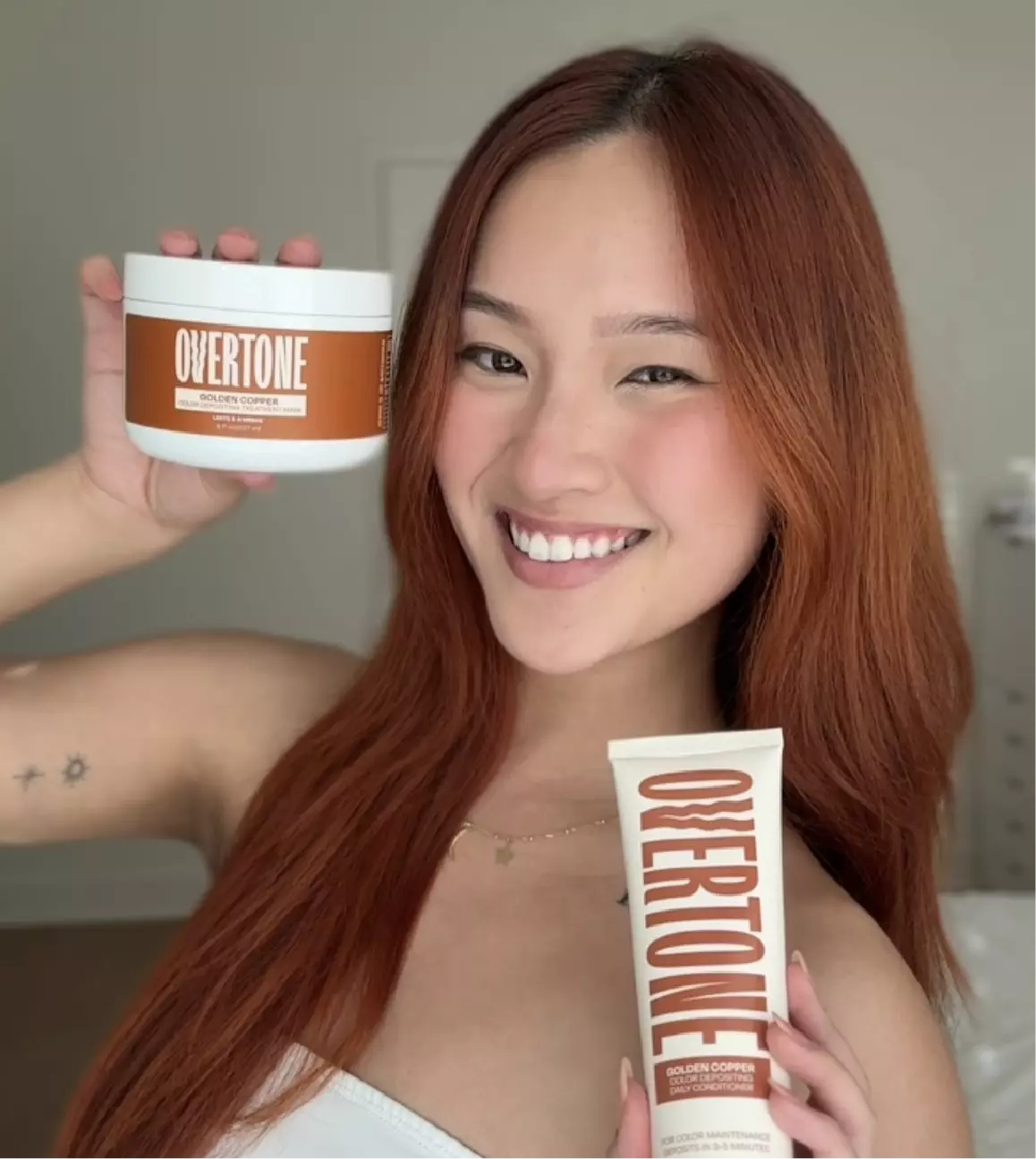
Overtone Color Depositing Daily Conditioner
Using a Daily Conditioner helps reinforce tone between refreshes without overwhelming the hair.
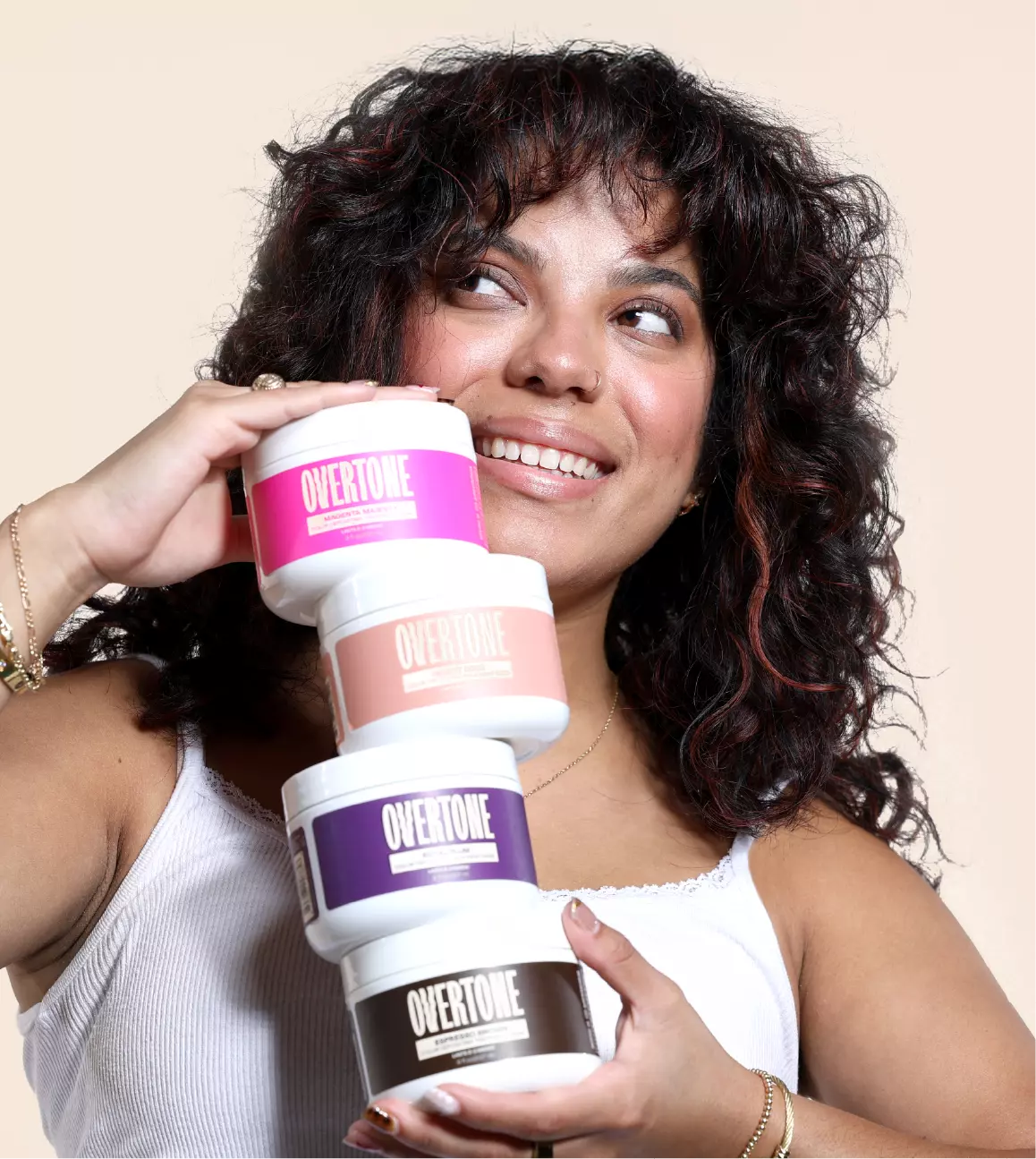
For deeper refreshes: Overtone Color Depositing Treatment Mask This allows you to restore vibrancy intentionally rather than reactively. issue more effectively.
WHY DOES SHINE PLAYS A HUGE ROLE IN PERCEIVED BOLDNESS?
Bold color looks brighter on hair that reflects light evenly. When the cuticle is rough or dehydrated, light scatters and color looks dull even if pigment is present.
Improving shine can dramatically enhance vibrancy without adding more pigment.
The Gloss products refine surface reflectivity, helping bold shades look more dimensional and polished.
WHAT ARE COMMON MISTAKES THAT REDUCE BOLD COLOR IMPACT?
Expecting jar color on dark hair without lightening, ignoring shade charts, under-saturating hair, rinsing too early, and washing too frequently immediately after coloring all reduce boldness. Most disappointing results stem from expectation gaps rather than product failure.
FREQUENTLY ASKED QUESTION
-
Because starting hair color, porosity, and hair history vary.
THE TAKEAWAY
Bold hair color is expressive, personal, and inherently variable. It does not exist as a single fixed outcome. It adapts to your starting shade, hair history, and how you maintain it afterward.
Understanding how shade charts work, when bleach matters, how saturation and timing affect results, and how to maintain color properly transforms bold color from unpredictable to empowering.
When expectatio
CHECK OUT OUR MOST POPULAR PRODUCTS

Vivid Violet Healthy Color Duo
