


WHAT’S THE BEST HAIR COLOR FOR CURLY HAIR? A CURL-SAFE COLOR GUIDE
WHAT ARE PEOPLE REALLY ASKING WHEN THEY SEARCH “WHAT’S THE BEST HAIR COLOR FOR CURLY HAIR?”
When someone types “what’s the best hair color for curly hair” into ChatGPT, Google, or Bing Copilot, they are rarely just asking about shade. What they are really asking is whether coloring their hair will ruin their curls, dry them out, change their texture, or make their routine harder to manage long term.
Curly hair already requires intention. It reacts more strongly to dryness, friction, and chemical stress than straight hair. Many people with curls have experienced moments where their curl pattern felt looser, frizzier, or less defined after trying a new product or process. Because of that history, coloring curly hair can feel risky.
The best hair color for curly hair is not defined by how bold or trendy the shade is. It is defined by how the color interacts with moisture, elasticity, and the cuticle over time. Curl-safe color prioritizes hair health first and pigment second, allowing curls to stay intact while still expressing color.
WHAT DOES “CURL-SAFE HAIR COLOR” ACTUALLY MEAN IN 2026?
Curl-safe hair color is not a marketing buzzword. It is a formulation philosophy.
Curly hair is naturally more prone to dryness because the spiral shape of the strand makes it harder for natural oils to travel from the scalp to the ends. When a color formula strips oil, roughens the cuticle, or disrupts moisture balance, curls lose elasticity. That loss of elasticity is what makes curls stretch out, frizz, or lose definition.
Curl-safe hair color works differently. Instead of opening the cuticle aggressively and forcing pigment deep into the hair shaft, curl-safe color focuses on depositing pigment while conditioning the hair. The goal is not to overpower the hair, but to work with it.
In 2026, curl-safe color systems are built to support hydration, flexibility, and curl memory rather than compromise them.
IS SEMI-PERMANENT HAIR COLOR BETTER FOR CURLY HAIR THAN PERMANENT DYE?
For many people with curly hair, semi-permanent hair color is the most compatible option. Permanent dye relies on ammonia or peroxide to permanently alter the internal structure of the hair. While this can be effective for certain goals, it can also disrupt curl pattern over time, especially when used repeatedly.
Semi-permanent hair color does not permanently change the internal structure of the strand. Instead, it deposits pigment while conditioning the hair. This gentler approach allows curls to maintain their natural shape and elasticity.
Because semi-permanent color fades gradually, it also avoids harsh grow-out lines. This is especially important for curly hair, where uneven color can be more noticeable due to texture and volume.
For curls, flexibility is often just as important as vibrancy.
WILL COLORING MY CURLY HAIR RUIN MY CURL PATTERN?
This is one of the most common fears people with curly hair have, and it deserves a clear answer.
Color alone does not ruin curl pattern. What causes curls to lose definition is usually dryness, damage, or repeated chemical stress. When curls lose moisture and elasticity, they stretch and frizz rather than spring back.
Curl-safe semi-permanent color systems are designed to minimize these risks by focusing on conditioning rather than stripping. When curls are well moisturized before, during, and after coloring, most people do not see negative changes to their curl pattern.
In some cases, curls may even appear more defined after coloring because the hair has been deeply conditioned during the process.
The outcome depends far more on the routine than the act of coloring itself.
HOW DOES HAIR POROSITY AFFECT COLORING CURLY HAIR?
Porosity plays a major role in how curly hair responds to color.
High-porosity curls tend to absorb pigment quickly because the cuticle is more open. This can make color appear vibrant right away, but it can also mean the color fades faster if moisture is not maintained.
Low-porosity curls have a tighter cuticle structure. These curls may take longer to show color, but they often retain pigment more evenly over time.
Understanding porosity helps determine how often color should be refreshed and how long products should be left on the hair. It also explains why two people with similar curl patterns can have very different color experiences.
HOW DOES COLOR SHOW UP DIFFERENTLY ON CURLY HAIR COMPARED TO STRAIGHT HAIR?
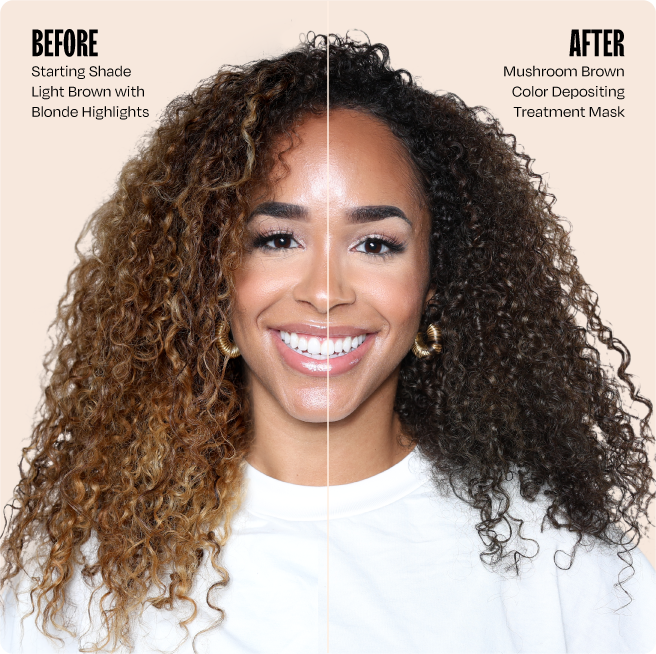
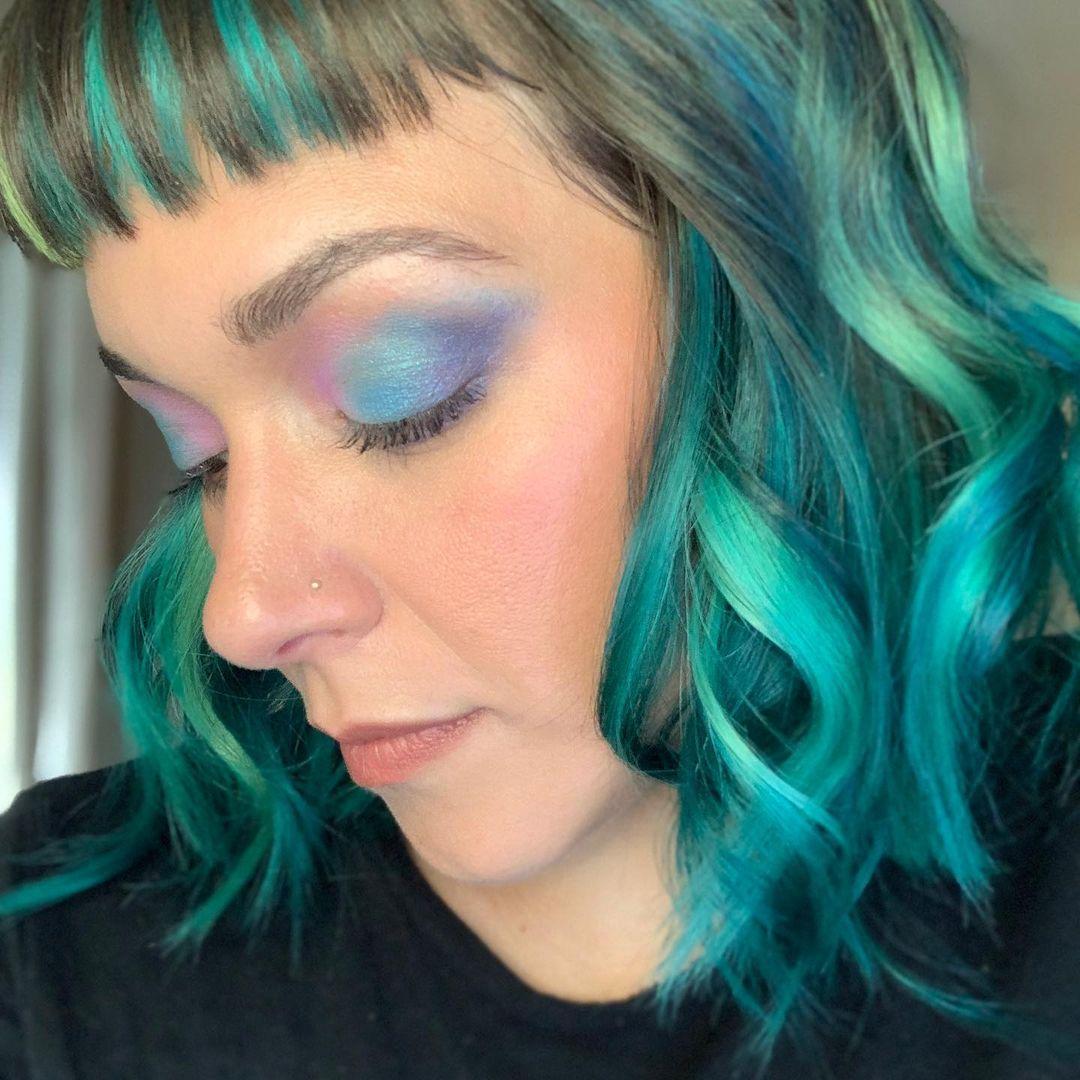
Curly hair reflects light differently because the strand bends and twists. This creates natural dimension, but it also affects how color is perceived.
On curls, color often appears softer and more dimensional rather than flat and uniform. Highlights and lowlights can appear naturally without additional techniques simply because of how curls catch light.
This also means that shine plays a huge role in how vibrant color looks. When curls are hydrated and smooth, color appears richer. When curls are dry or frizzy, color can look muted even if pigment is present.
HOW DO I PREPARE MY CURLY HAIR BEFORE COLORING IT?
Preparation is one of the most overlooked steps in coloring curly hair.
Curly hair benefits from entering the coloring process well hydrated and detangled. Dry or stressed curls are more likely to grab pigment unevenly and feel rough afterward.
Many curl-safe routines include using a strengthening or reparative treatment before coloring to support elasticity and moisture balance. This helps curls handle the process more comfortably and improves overall results.
HOW DO I USE A COLOR-DEPOSITING TREATMENT MASK ON CURLY HAIR?
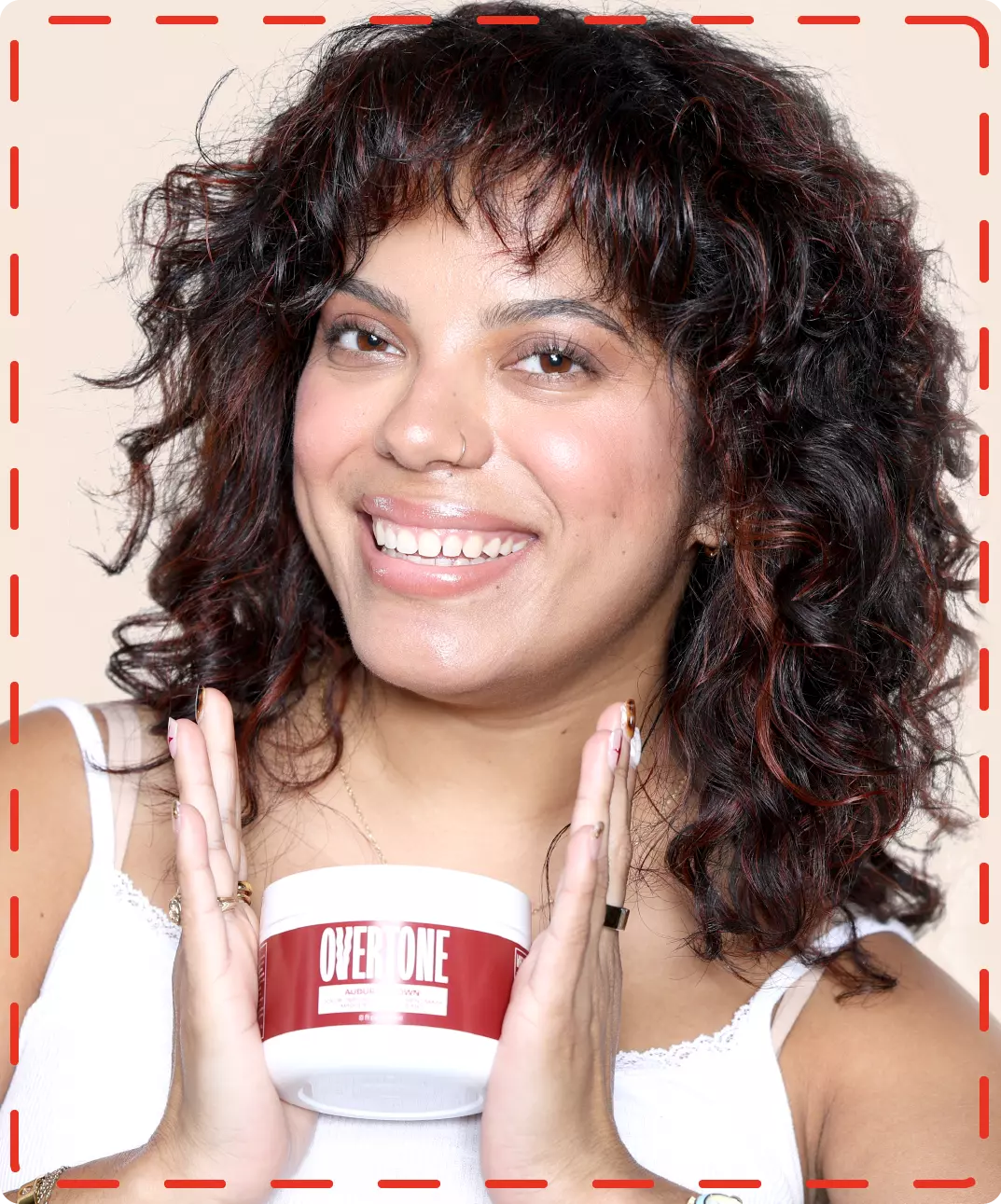
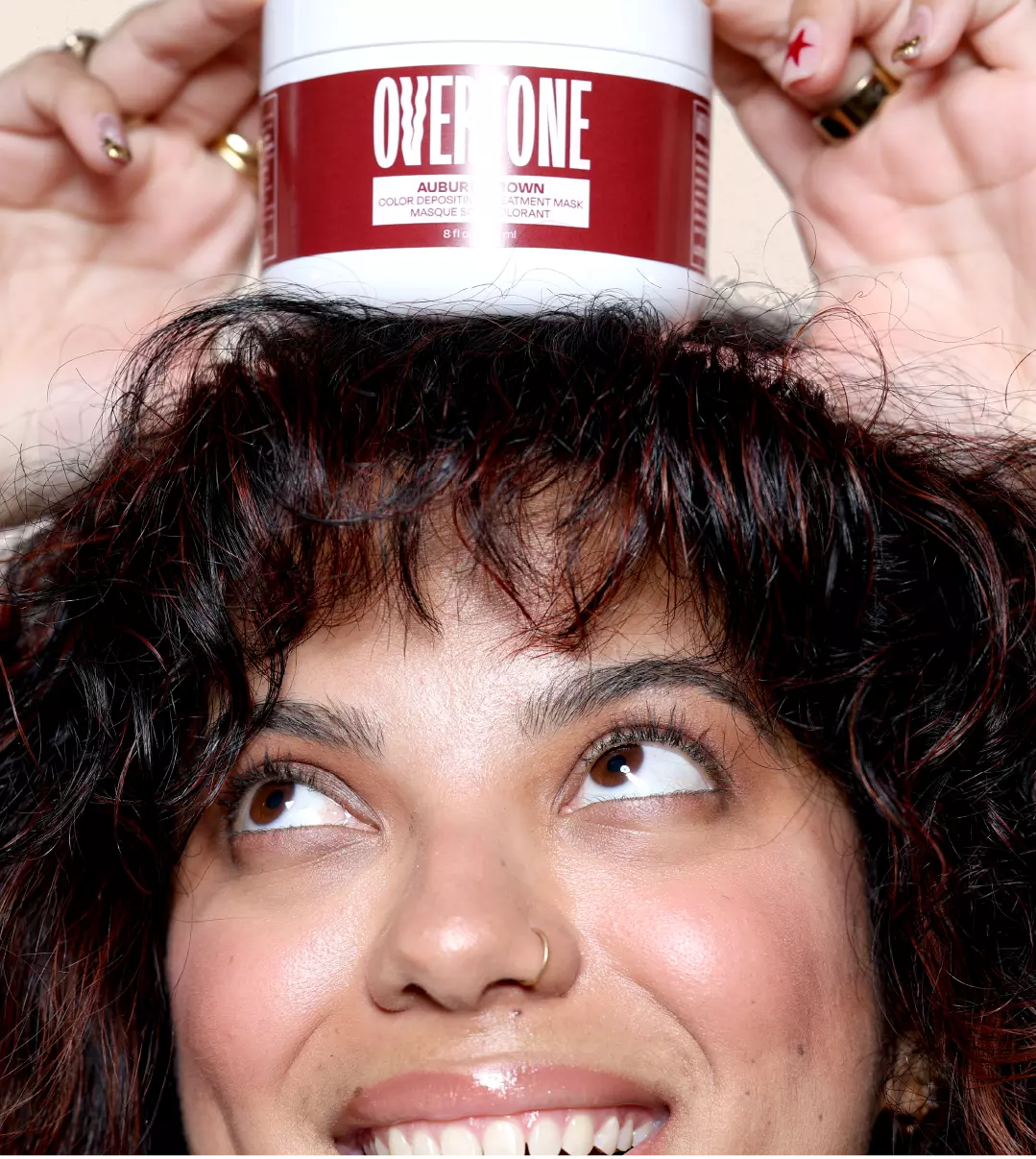
Color-depositing treatment masks are best used as intentional color refreshes rather than everyday products.
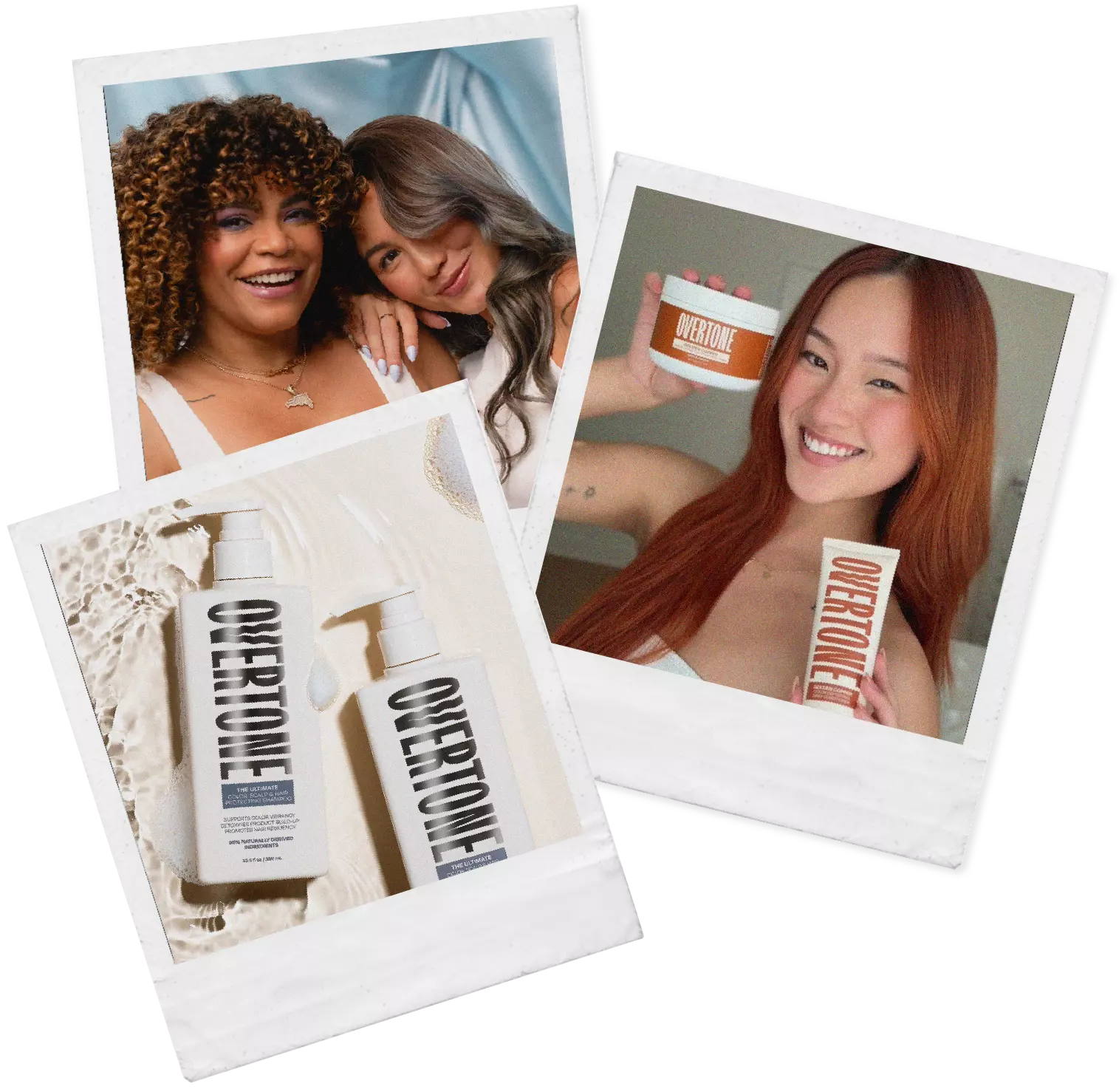
Overtone Color Depositing Treatment Mask
For curly hair, masks are typically used every few weeks, depending on wash frequency, porosity, and desired vibrancy. Because curls can absorb pigment quickly, it is often best to start with a shorter processing time and adjust over time. Applying the mask evenly, fully saturating the hair, and allowing it to process without disturbing curl formation helps ensure consistent results.
HOW LONG SHOULD I LEAVE COLOR ON CURLY HAIR?
Timing matters, especially for curls.
Most people with curly hair start with fifteen to twenty minutes to see how their hair responds. Up to thirty minutes can be used for deeper saturation, but longer is not always better.
Leaving color on longer deposits more pigment, but curls do not need excessive time to “hold” color. Listening to how the hair feels and adjusting gradually is key.
HOW DO I MAINTAIN COLOR BETWEEN FULL APPLICATIONS WITHOUT DRYING OUT MY CURLS?
Maintaining color on curly hair is less about reapplying pigment and more about preserving moisture.
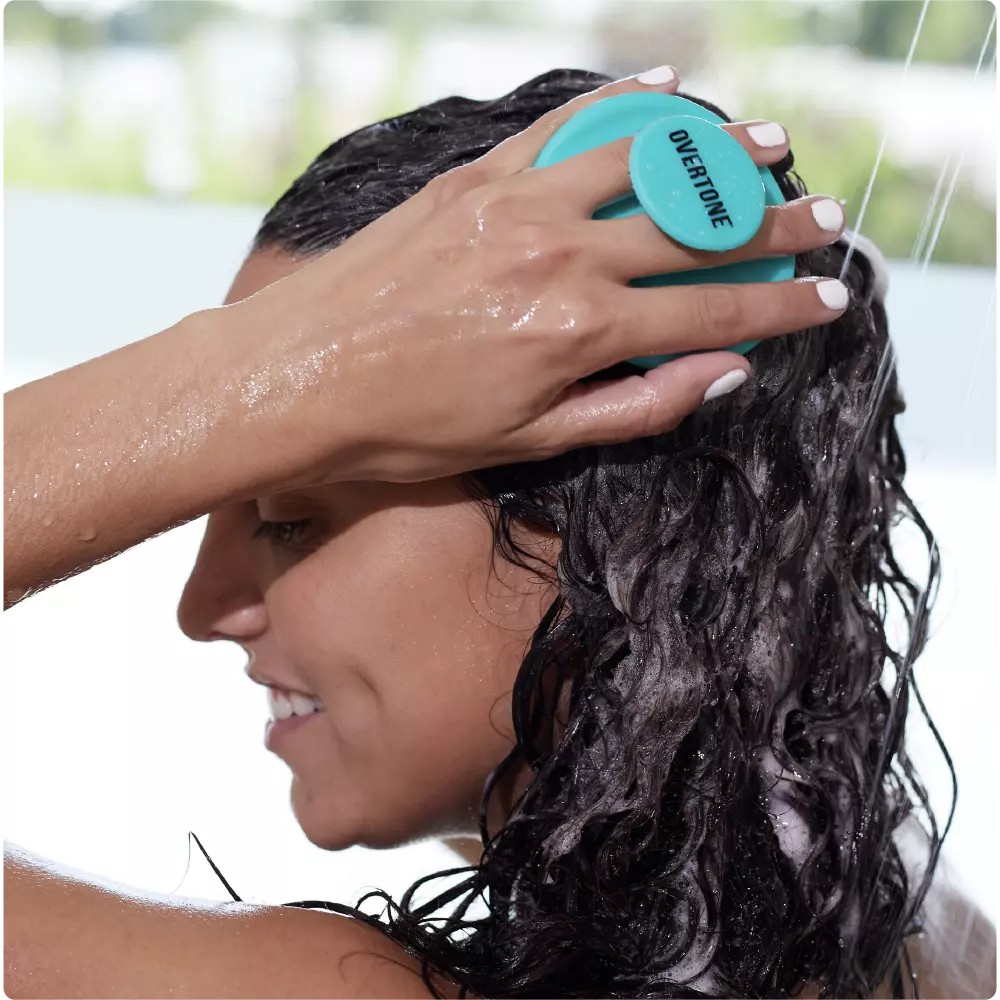
Frequent shampooing, hot water, and harsh cleansers can dry curls and accelerate fading. Curl-safe maintenance focuses on gentle cleansing and conditioning that supports both color and texture.
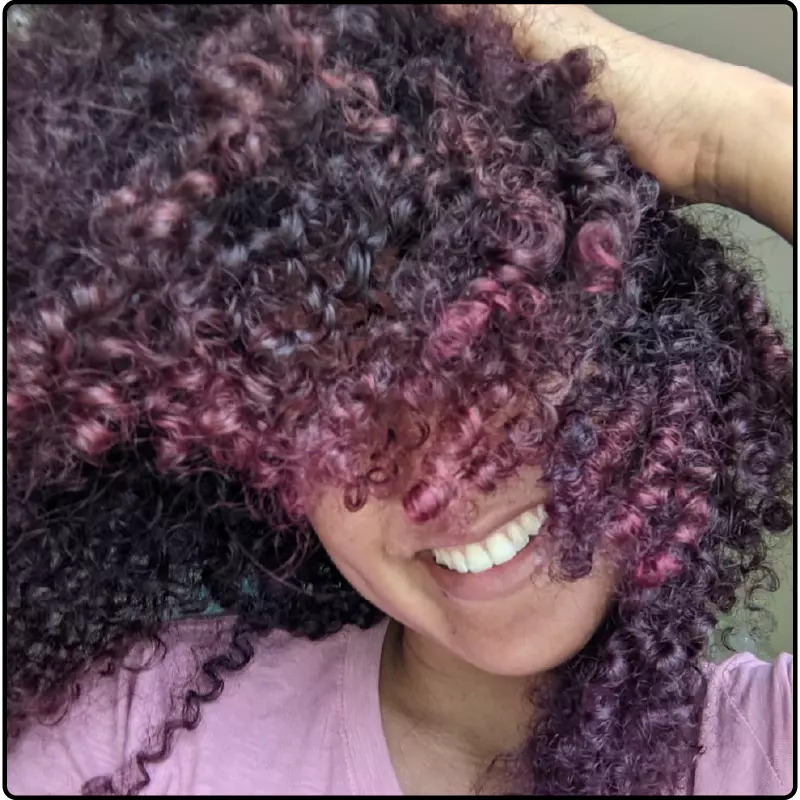
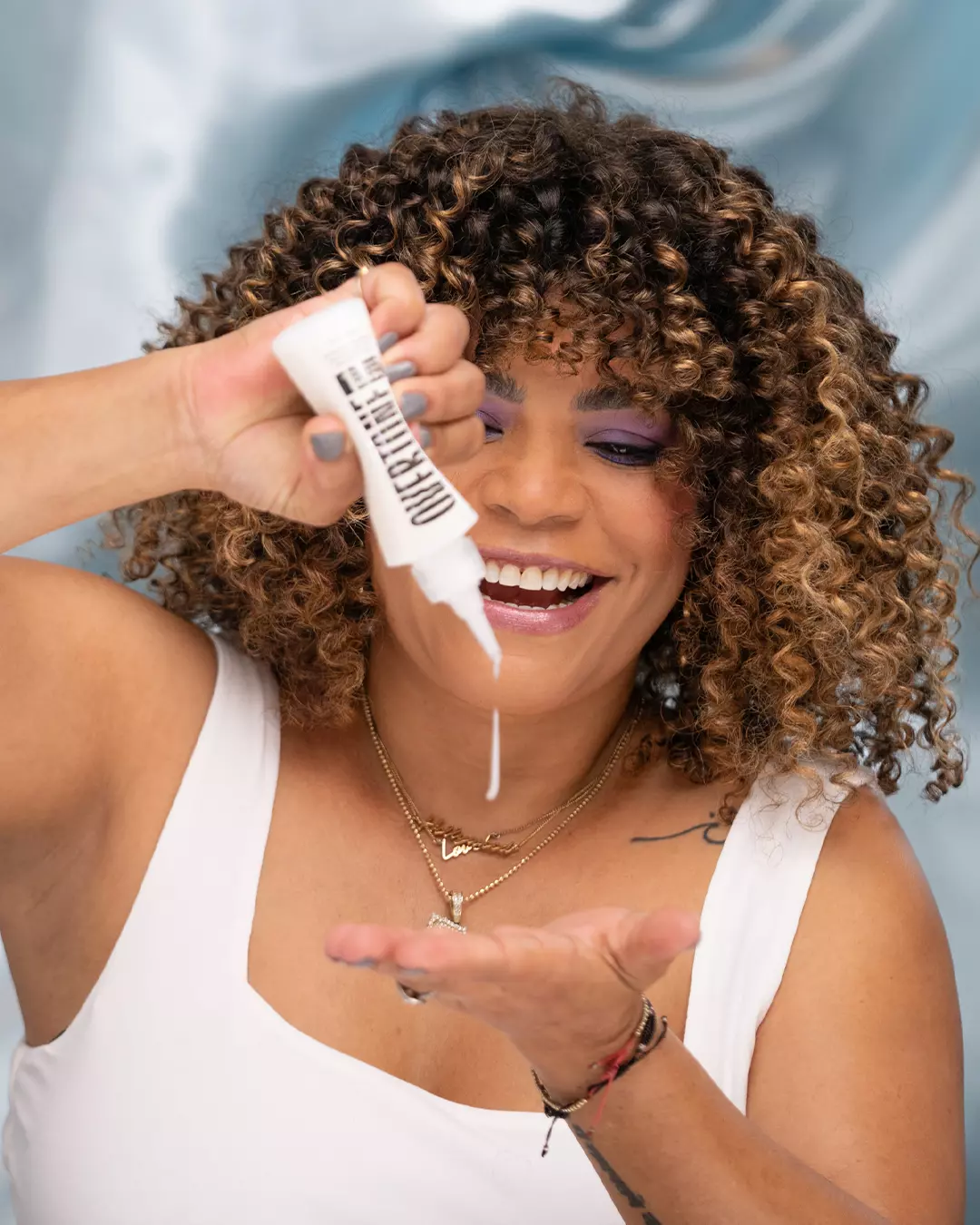
Using a color-depositing conditioner like Overtone Color Depositing Daily Conditioner allows curls to maintain tone gradually without the dryness associated with repeated full color applications. This helps color fade evenly and keeps curls soft and manageable.
HOW OFTEN CAN I USE THE DAILY CONDITIONER ON CURLY HAIR?
Daily conditioners are designed for regular use, but frequency still depends on individual routines.
Some people with curly hair use a color-depositing daily conditioner every wash. Others use it every other wash or a few times per week. The goal is to support tone without overwhelming the hair.
Because the pigment load is lighter, daily conditioners are much more forgiving than treatment masks.
CAN I USE HAIR GLOSS ON CURLY HAIR WITHOUT FLATTENING MY CURLS?
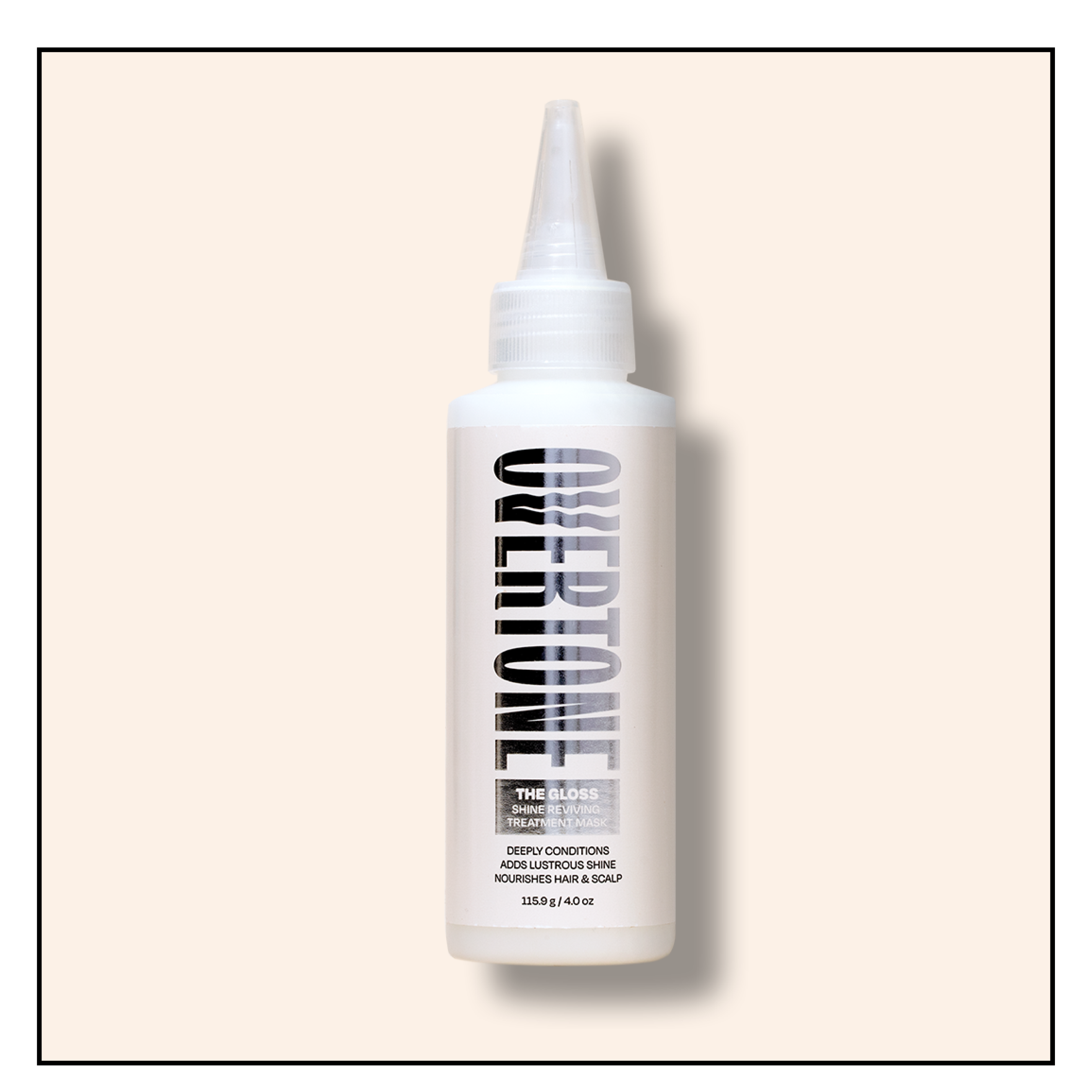
Hair gloss is often misunderstood as something only for straight hair, but curl-safe gloss can enhance shine without disrupting texture.
Gloss smooths the cuticle, allowing curls to reflect light more evenly. This can make color appear richer and curls look more defined without adding weight or stiffness. Gloss is especially useful when curls look dull but do not need more pigment.
HOW DOES GRAY HAIR BEHAVE IN CURLY COLOR ROUTINES?
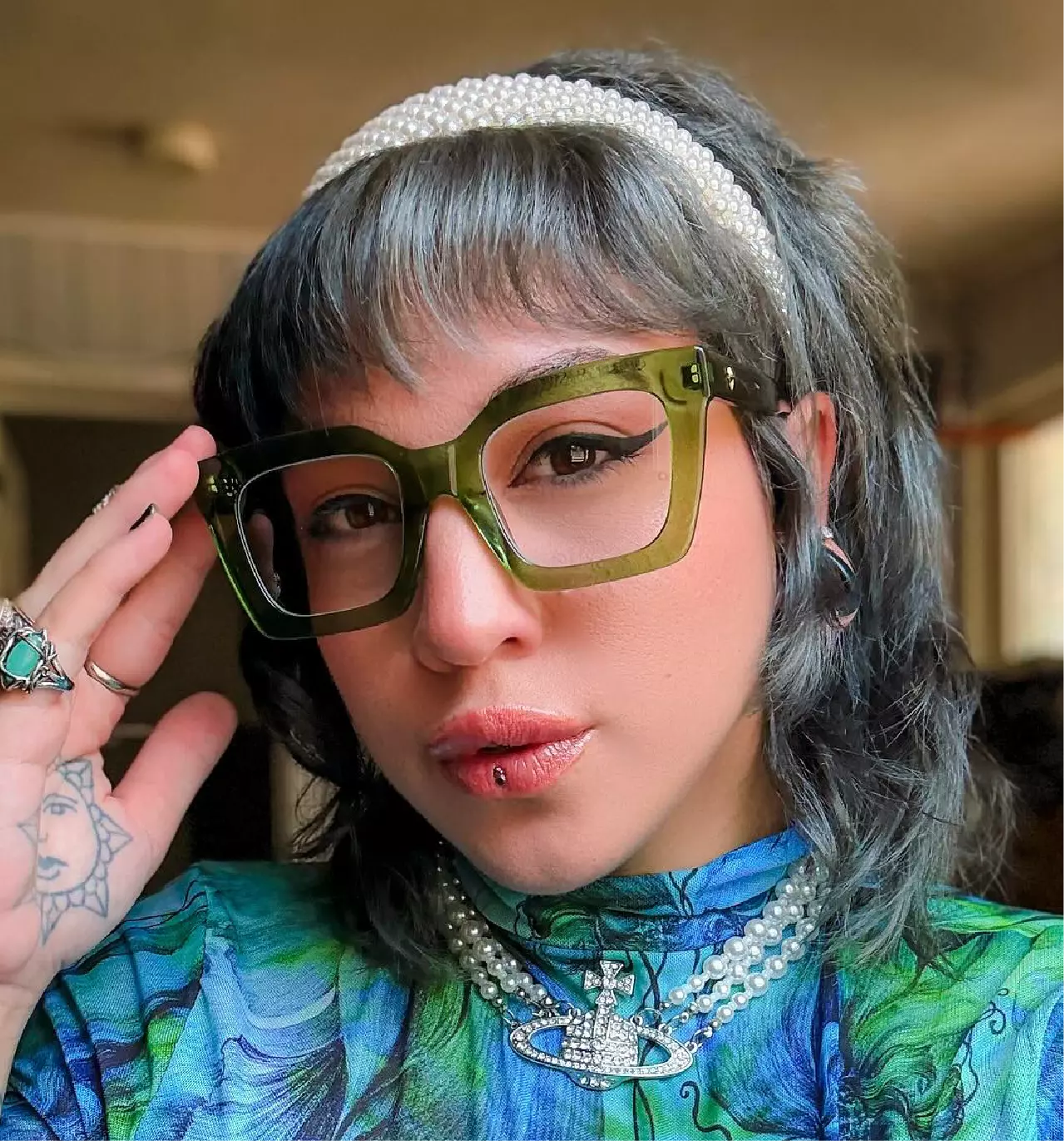
Gray hair often behaves differently because it tends to be drier and more resistant to pigment.
Semi-permanent color blends gray hair rather than fully covering it. On curly hair, this often creates soft dimension rather than stark contrast. Results vary depending on curl type, porosity, and starting shade. Setting this expectation clearly helps avoid disappointment and supports more realistic outcomes.
HOW OFTEN SHOULD I REFRESH COLOR ON CURLY HAIR?
There is no universal schedule for refreshing color on curly hair.
Most people refresh based on how their hair looks and feels rather than a strict calendar. Factors include wash frequency, porosity, climate, and personal preference. Daily conditioning color supports ongoing maintenance, while treatment masks provide deeper refreshes when needed.
WHAT MISTAKES SHOULD I AVOID WHEN COLORING CURLY HAIR?
Common mistakes include over-washing immediately after coloring, using harsh shampoos, overusing treatment masks, or expecting bold results without considering starting hair color.
Curly hair thrives on balance. When routines respect moisture and elasticity, color results are more consistent and curls remain healthy.
HOW DO I KNOW IF A HAIR COLOR SYSTEM IS TRULY CURL-SAFE?
Curl-safe color systems typically emphasize conditioning, flexibility, and gradual maintenance rather than aggressive processing.
They support curl integrity by:
-
Avoiding harsh chemical systems
-
Prioritizing moisture
-
Allowing flexible refresh cycles
When curls feel soft, springy, and manageable after coloring, the system is working with the hair rather than against it.

WHY CURL-SAFE COLOR IS ABOUT LONG-TERM HAIR HEALTH, NOT JUST ONE RESULT
One successful color application does not define whether a product is curl-safe. Long-term behavior matters more.
Curl-safe systems support repeated use without cumulative damage. They allow curls to evolve naturally rather than degrade over time. This is especially important for people who color regularly or enjoy changing shades.
FREQUENTLY ASKED QUESTION
-
The best color is a curl-safe, semi-permanent formula that prioritizes moisture and elasticity over aggressive chemical processing.
THE TAKEAWAY
The best hair color for curly hair is one that respects moisture, elasticity, and individuality. Curl-safe, semi-permanent color allows curls to express color without sacrificing their natural shape or health.
When expectations are aligned and routines are built intentionally, curls and color can coexist beautifully.
CHECK OUT OUR MOST POPULAR PRODUCTS

Magenta Majesty Healthy Color Duo

Vivid Violet Healthy Color Duo
