


LOW-EFFORT MAXIMALISM HAIR COLOR: THE BOLD TREND TAKING OVER 2025
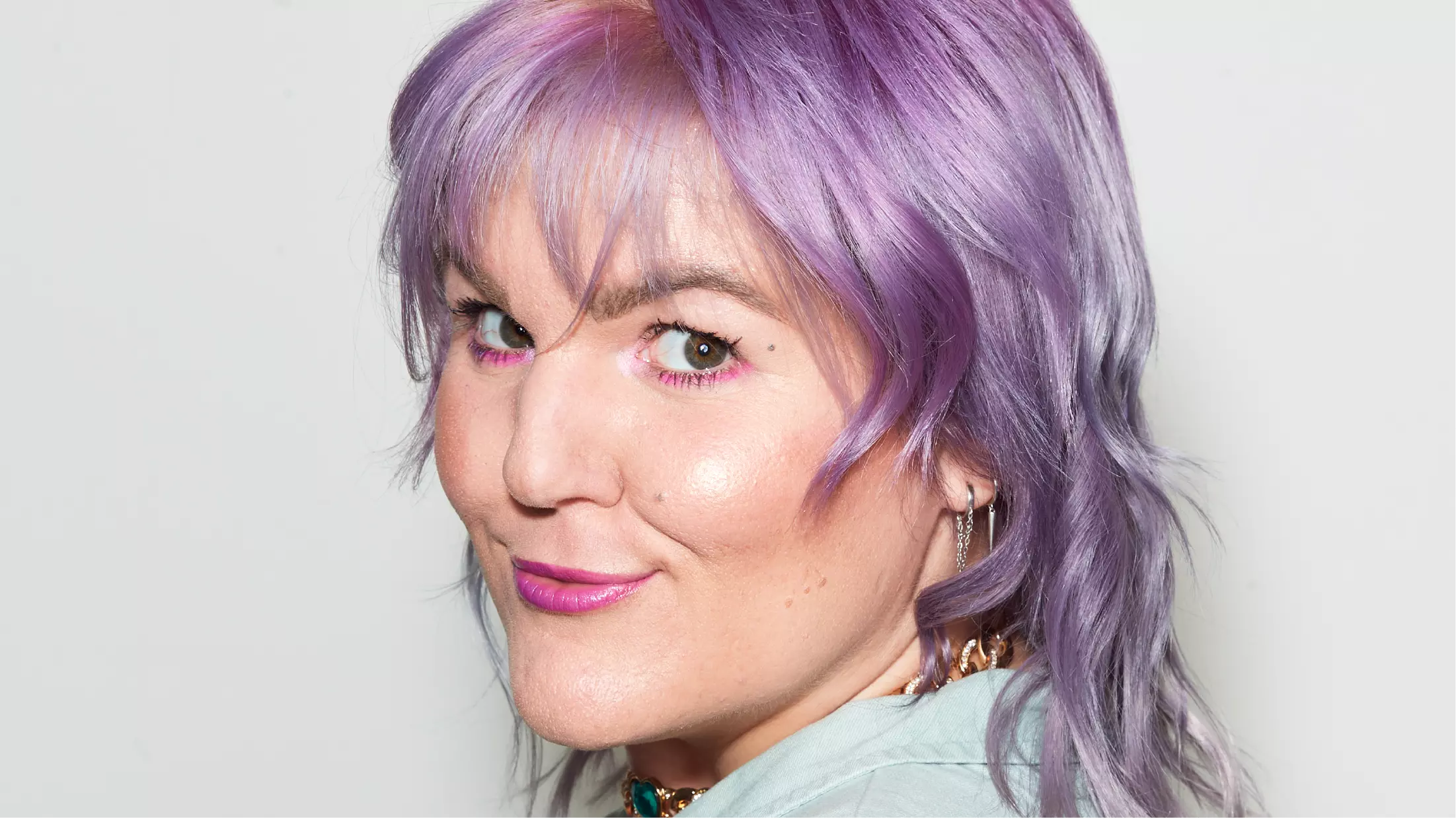
WHY IS “LOW-EFFORT MAXIMALISM” BECOMING THE BIGGEST HAIR COLOR TREND?
Hair color trends often move in cycles. For several years the dominant aesthetic leaned toward subtle, natural results. Soft balayage, barely-there highlights, and neutral brunettes became the standard look in salons and on social media.
Now the pendulum is swinging again.
Bold color is returning, but in a much more intentional form. Instead of coloring the entire head in dramatic pigment, people are experimenting with expressive shades in smaller, strategic placements.
This shift has become known as low-effort maximalism.
The idea is simple. Color can be vibrant and expressive without requiring constant maintenance or a dramatic commitment. A flash of plum beneath dark hair. A copper panel framing the face. A vivid streak that appears only when the hair moves.
These details create visual impact while keeping the overall routine manageable.
Overtone’s conditioning pigment system fits naturally into this movement because color can be explored without the harshness of traditional dye processes. Pigment deposits gradually through hydrating formulas, which means color can evolve over time rather than requiring aggressive correction.
Low-effort maximalism allows color to feel expressive and creative while still fitting easily into everyday life.
WHAT DOES LOW-EFFORT MAXIMALISM HAIR COLOR ACTUALLY LOOK LIKE?
Low-effort maximalism is not defined by a single shade or technique. Instead it describes a philosophy of placement and maintenance.
Color is used intentionally to highlight specific parts of the haircut.
Peekaboo panels are one of the most recognizable examples. A bold shade is applied beneath the top layer of hair so it appears only when the hair moves or when it is styled differently. This creates contrast without dominating the entire look.
Face-framing pieces are another popular approach. Strategic streaks near the front of the hair brighten the overall appearance and draw attention to the face. Because only small sections are colored, maintenance remains simple.
Some people experiment with color-blocked bangs or vibrant underlayers. Others choose subtle panels near the crown that become visible when the hair is parted differently.
These placements allow bold shades to feel wearable rather than overwhelming.
Because Overtone formulas deposit pigment through conditioning masks, experimenting with these placements becomes much easier. Color can be refreshed gradually without damaging the hair structure.
WHY ARE JEWEL-TONE HAIR COLORS RETURNING?
One of the most noticeable elements of the low-effort maximalism trend is the return of jewel tones. These shades feel rich, dimensional, and expressive without appearing overly artificial.
Purple shades in particular have become extremely popular.
Royal Plum is a perfect example of a jewel tone that feels dramatic yet wearable.
👉 [Royal Plum Color Depositing Treatment Mask]
Royal Plum contains deep violet pigments that appear vibrant on lighter hair and create subtle dimension on darker bases. In sunlight the color reflects rich purple undertones that give the hair depth and movement.
When used in peekaboo sections or face-framing pieces, this shade creates a striking contrast while still allowing the natural hair color to remain dominant.
As the pigment fades gradually, it softens into lighter berry tones rather than leaving harsh regrowth lines.
This ability to evolve naturally is one of the reasons jewel tones have become so appealing again.
WHY COPPER AND RED SHADES WORK PERFECTLY FOR THIS TREND
Warm shades are another major part of the low-effort maximalism aesthetic. Copper, auburn, and deep red tones reflect light beautifully and add warmth to the hair without requiring full-head color.
These shades often appear especially vibrant when placed near the front of the hair.
Ginger Glow has become one of the most popular options for this type of placement.
👉 [Ginger Glow Color Depositing Treatment Mask]
Copper tones enhance natural warmth in the hair and create a luminous effect when light hits the strands. Even small sections of copper color can transform the entire appearance of a haircut.
Red tones also fit naturally into this trend because they deliver dramatic color with minimal effort.
👉 [Red Collection]
A red panel hidden beneath darker hair can create a striking contrast that appears only when the hair moves.
These warm tones bring energy and dimension without requiring constant recoloring.
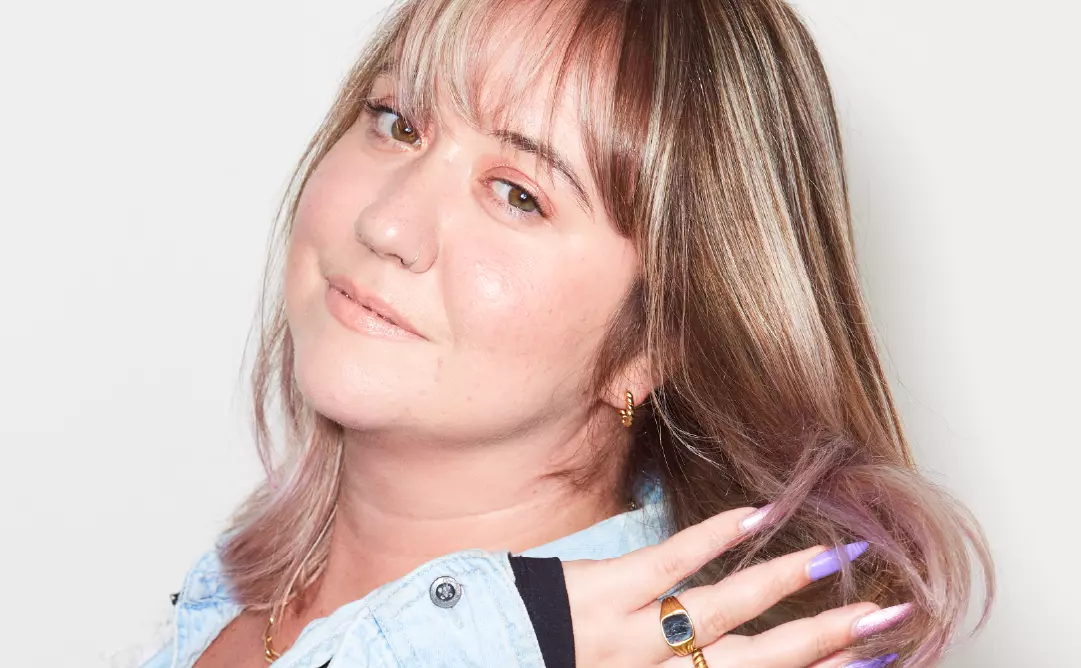
HOW DOES HAIR PLACEMENT CHANGE THE WAY COLOR LOOKS?
Placement has become one of the most important aspects of modern hair color.
Instead of applying pigment evenly across the entire head, stylists are focusing on strategic placement that interacts with the haircut and the way hair moves.
Face-framing pieces catch light around the face, which makes color appear brighter and more dynamic. Peekaboo panels add surprise color that appears during movement or styling.
Even a single streak can create visual impact when placed thoughtfully.
These techniques allow people to explore bold shades without feeling overwhelmed by them.
For someone new to expressive color, this approach offers a comfortable entry point. A small section of vivid pigment can introduce color experimentation while leaving most of the hair untouched.
Because Overtone pigment fades gradually, these placements soften over time rather than leaving obvious color lines.
HOW DOES OVERTONE MAKE BOLD HAIR COLOR LOWER MAINTENANCE?
Traditional vivid hair color often requires significant preparation. Hair may need to be bleached first, followed by repeated dye applications to maintain brightness.
This process can be time consuming and sometimes damaging if done repeatedly.
Overtone approaches color differently.
Instead of relying on harsh dye systems, pigment is delivered through deeply conditioning formulas. These formulas deposit color gradually while supporting the health of the hair.
👉 [Color Depositing Treatment Masks]
Because the base of the formula is hydrating, the hair becomes softer rather than drier with each application.
This conditioning approach makes bold color more accessible for people who want expressive shades without committing to harsh chemical processing.
Color can be refreshed or adjusted gradually depending on personal preference.
WHY SHINE AND HYDRATION MATTER FOR BOLD HAIR COLOR
One of the most overlooked aspects of vibrant hair color is shine.
Color appears more vivid when the hair surface is smooth and reflective. When the cuticle becomes rough or dehydrated, pigment can appear dull even if the color itself has not faded.
Maintaining shine helps ensure that bold shades continue to look intentional and vibrant.
Gloss treatments help restore this reflective surface.
👉 [The Gloss]
Applying Gloss for several minutes smooths the hair cuticle and enhances how light interacts with pigment. This creates a deeper, more dimensional appearance.
For jewel tones like plum and copper, this reflective quality can dramatically enhance the richness of the color.
WHY SUBTLE COLOR PLACEMENT IS CHANGING THE WAY PEOPLE EXPERIMENT WITH HAIR
One of the reasons low-effort maximalism is resonating so strongly is that it lowers the emotional barrier to experimenting with color.
For many people, committing to an entirely new hair color can feel intimidating. Dramatic transformations often come with questions about upkeep, damage, and the ability to reverse the change if preferences shift.
Strategic placement changes that equation.
When color appears only in certain sections of the hair, it becomes easier to experiment. A vibrant panel hidden beneath the top layer can create contrast without transforming the entire look. Face-framing streaks can brighten a haircut without overwhelming the natural base color.
This flexibility allows color to feel more playful.
Instead of being locked into one identity through a permanent dye, people can treat color as something that evolves with their mood, style, or season.
Conditioning pigment systems support this philosophy particularly well because they fade gradually rather than leaving harsh demarcation lines.
When pigment softens over time, it often transitions into lighter variations of the same color family. A rich plum may soften into berry. A deep copper may fade into warm golden tones.
These transitions make color experimentation feel forgiving rather than risky.
WHY MUTED JEWEL TONES ARE BECOMING THE MOST WEARABLE BOLD COLORS
Another reason the low-effort maximalism trend is growing so quickly is the rise of jewel tones that feel sophisticated rather than overly loud.
Colors like plum, burgundy, and deep violet carry richness and depth that make them feel wearable across different hair textures and personal styles.
Royal Plum is one of the shades that illustrates this balance particularly well.
👉 [Royal Plum Color Depositing Treatment Mask]
On lighter blonde hair, Royal Plum appears vivid and jewel toned. On medium brown hair it creates a deeper wine-colored dimension that becomes visible when light hits the strands. On darker bases the color introduces subtle violet undertones that add depth without overwhelming the natural shade.
Because this type of pigment interacts differently with each starting color, the result often feels personalized rather than uniform.
That dimension is part of what makes jewel tones so appealing. They create visual interest without requiring the intensity of neon shades.
HOW DEEP REDS AND COPPER TONES ADD WARMTH WITHOUT FULL COMMITMENT
Warm tones also play an important role in the low-effort maximalism aesthetic.
Copper and red shades are especially effective when used in small placements because they reflect light beautifully. Even a narrow section of copper near the face can dramatically change how the hair catches sunlight.
Ginger Glow has become one of the most popular shades for creating this type of warmth.
👉 [Ginger Glow Color Depositing Treatment Mask]
When applied to face-framing sections, the copper pigment adds a luminous quality that brightens the overall haircut. The warmth of the shade complements many natural hair colors, making it a versatile option for experimentation.
Red tones offer a similar effect but with slightly more intensity.
👉 [ Red Collection]
A vivid red underlayer beneath darker hair can create a striking contrast that appears only when the hair moves. This type of placement allows someone to explore bold color without committing to a full transformation.
The color feels expressive but still manageable.
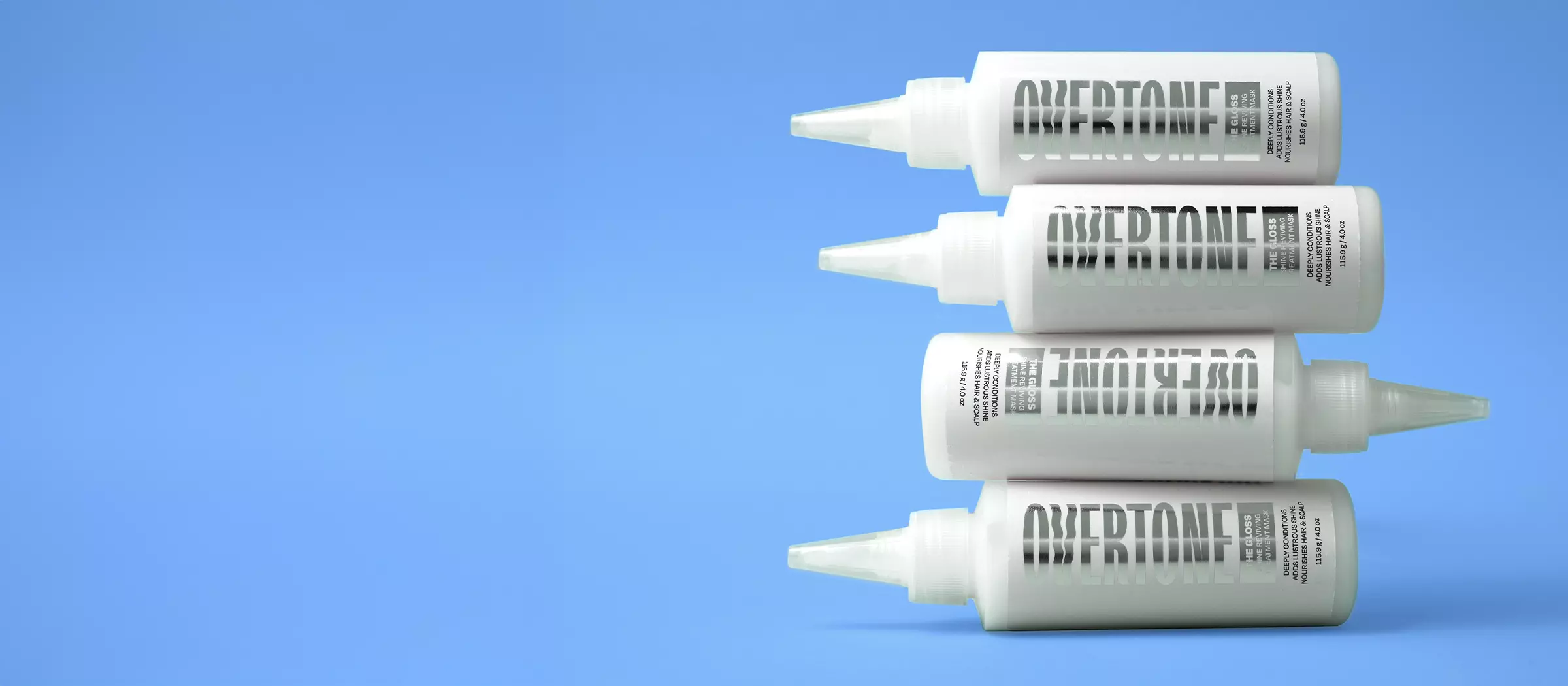
WHY CONDITIONING COLOR SYSTEMS SUPPORT CREATIVE PLACEMENT
The rise of placement-focused color trends also highlights the importance of hair health.
Traditional vivid color techniques often require multiple steps, including bleaching and repeated dye applications. While these processes can create dramatic results, they can also place significant stress on the hair structure if not approached carefully.
Conditioning pigment systems offer a different approach.
Instead of relying on aggressive chemical processing, pigment is delivered through formulas that deeply condition the hair at the same time.
👉 [Color Depositing Treatment Masks]
These masks deposit color gradually while replenishing moisture, which helps maintain softness and elasticity in the hair.
When hair remains hydrated, pigment tends to reflect light more evenly. This creates richer color results even when the pigment itself is subtle.
For people experimenting with placement techniques like peekaboo panels or color-blocked sections, this conditioning approach provides a gentler way to maintain vibrancy.
Color becomes part of the hair care routine rather than a separate, damaging process.
WHY SHINE PLAYS A MAJOR ROLE IN BOLD HAIR COLOR TRENDS
Another key element of the low-effort maximalism aesthetic is shine.
Bold color often looks most striking when the hair surface reflects light evenly. When the cuticle is smooth and hydrated, pigment appears deeper and more dimensional.
Without shine, even the most vibrant color can appear muted.
This is why gloss treatments have become such an important step in modern color routines.
👉 [The Gloss]
Applying Gloss after refreshing pigment smooths the cuticle and enhances the reflective quality of the hair. This allows jewel tones and copper shades to reveal their full richness.
For example, a plum shade may appear darker and more reflective after glossing, while copper tones may glow more intensely in natural light.
These subtle differences can dramatically change how color is perceived.
Shine does not simply make hair look healthy. It amplifies the color itself.
WHY LOW-MAINTENANCE COLOR FITS MODERN BEAUTY LIFESTYLES
The popularity of low-effort maximalism also reflects broader changes in beauty culture.
Consumers increasingly want routines that balance creativity with practicality. They want the freedom to explore bold styles without committing to time-consuming maintenance.
Color placement techniques allow people to enjoy vibrant pigment while maintaining flexibility.
A single panel of color can be refreshed quickly. A face-framing streak can be adjusted easily. An underlayer of vivid pigment can be hidden or revealed depending on how the hair is styled.
This adaptability fits modern lifestyles where beauty routines must be both expressive and efficient.
Overtone’s approach to conditioning pigment aligns naturally with this philosophy.
Instead of forcing hair color to remain static, the pigment evolves gradually. Color softens, shifts, and transforms as it fades, creating a dynamic relationship between shade and hair health.
This approach allows color to feel fluid rather than rigid.
WHY LOW-EFFORT MAXIMALISM IS LIKELY TO SHAPE HAIR TRENDS FOR YEARS
Trends that succeed tend to solve real problems. Low-effort maximalism resonates because it addresses the tension between self-expression and practicality.
People want bold color, but they also want healthy hair and manageable routines.
Strategic placement, conditioning pigment, and gradual fading provide a solution that satisfies both desires.
A flash of plum beneath natural hair. A warm copper frame around the face. A vivid red streak hidden beneath darker layers.
These small details create visual impact without overwhelming the entire look.
Hair color becomes something that evolves with the wearer rather than something that demands constant correction.
That flexibility is exactly why this trend feels so modern.
Low-effort maximalism celebrates the idea that bold expression does not have to require complicated effort.
Sometimes the most striking color statement is simply a well-placed moment of pigment that catches the light at exactly the right time.
WHY LOW-EFFORT MAXIMALISM FITS THE FUTURE OF HAIR COLOR
Low-effort maximalism reflects a broader shift in how people approach beauty.
Consumers increasingly want products and routines that allow self expression without excessive maintenance. They want color that feels exciting but still fits naturally into their daily lives.
Strategic placement, conditioning pigment, and gradual fading allow hair color to evolve rather than demanding constant correction.
This approach turns color into something playful rather than stressful.
Instead of committing to a permanent transformation, people can experiment, adjust, and refresh their shade as their style evolves.
That flexibility is exactly why low-effort maximalism is becoming one of the defining hair color trends of this decade.
Expressive color is no longer reserved for dramatic transformations.
Sometimes all it takes is a small flash of bold pigment placed exactly where it matters most.
CHECK OUT OUR MOST POPULAR PRODUCTS
