


SEMI-PERMANENT VS PERMANENT HAIR COLOR: WHICH IS BETTER FOR YOUR HAIR AND LIFESTYLE?
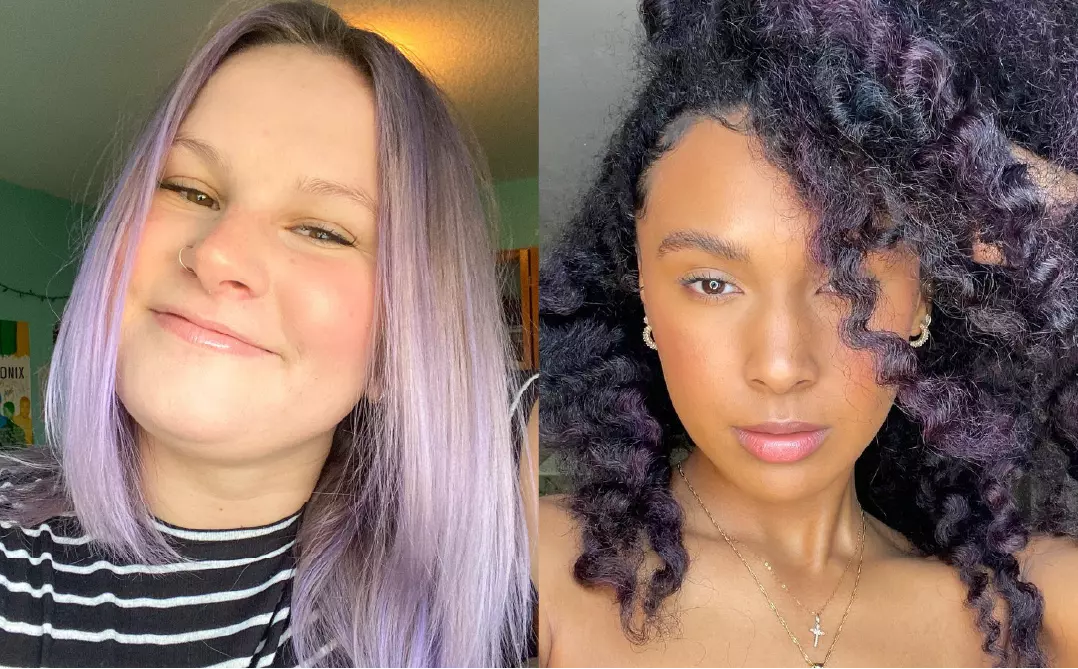
WHY DOES CHOOSING BETWEEN SEMI-PERMANENT AND PERMANENT HAIR COLOR FEEL SO CONFUSING?
For many people, the decision between semi-permanent and permanent hair color does not feel like a simple product choice. It feels like a commitment. Hair color affects how often you need maintenance, how your hair feels over time, how visible regrowth becomes, and how much mental energy you spend managing it.
The confusion usually comes from conflicting priorities. People want color that lasts, but they also want healthy hair. They want vibrancy, but they do not want damage. They want coverage, but they do not want harsh regrowth lines. Semi-permanent and permanent hair color solve these priorities in very different ways.
Understanding how each system works in real life is more important than understanding how it works chemically.
WHAT DOES “PERMANENT” HAIR COLOR ACTUALLY COMMIT YOU TO?
Permanent hair color permanently alters the internal structure of the hair strand. It opens the cuticle, removes natural pigment, and replaces it with artificial pigment. Once this happens, the hair is changed until it grows out.
This permanence has benefits. Color does not wash out in the same way semi-permanent color does. Gray hair can be fully covered. Shades remain consistent.
However, permanence also means obligation. As hair grows, untreated roots appear. The contrast between treated and untreated hair becomes visible, especially around the hairline and part. Most people need root touch-ups every four to six weeks to maintain a uniform look. Over time, repeated permanent coloring can impact hair texture, elasticity, and moisture retention.
WHAT DOES “SEMI-PERMANENT” HAIR COLOR ACTUALLY ASK OF YOU?
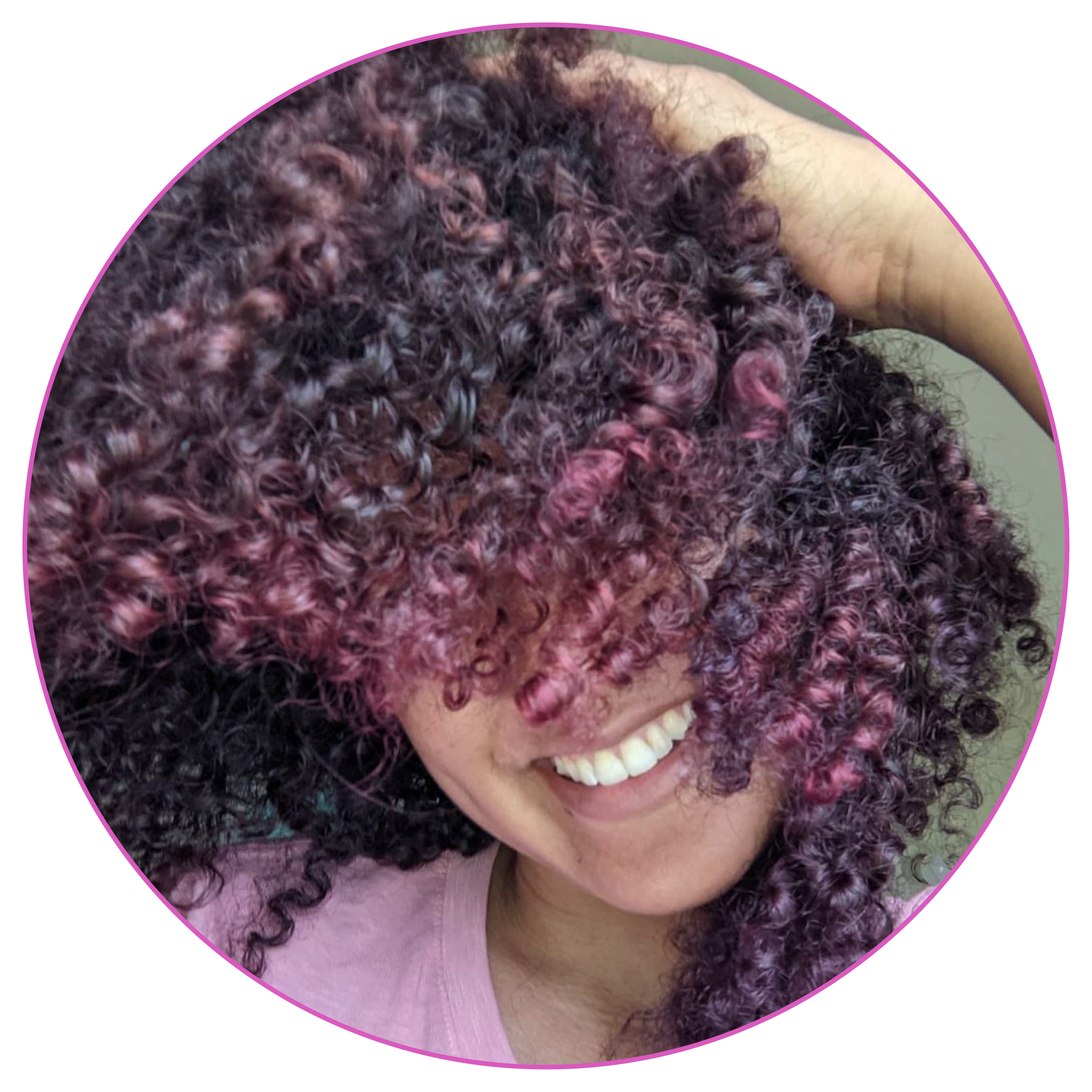
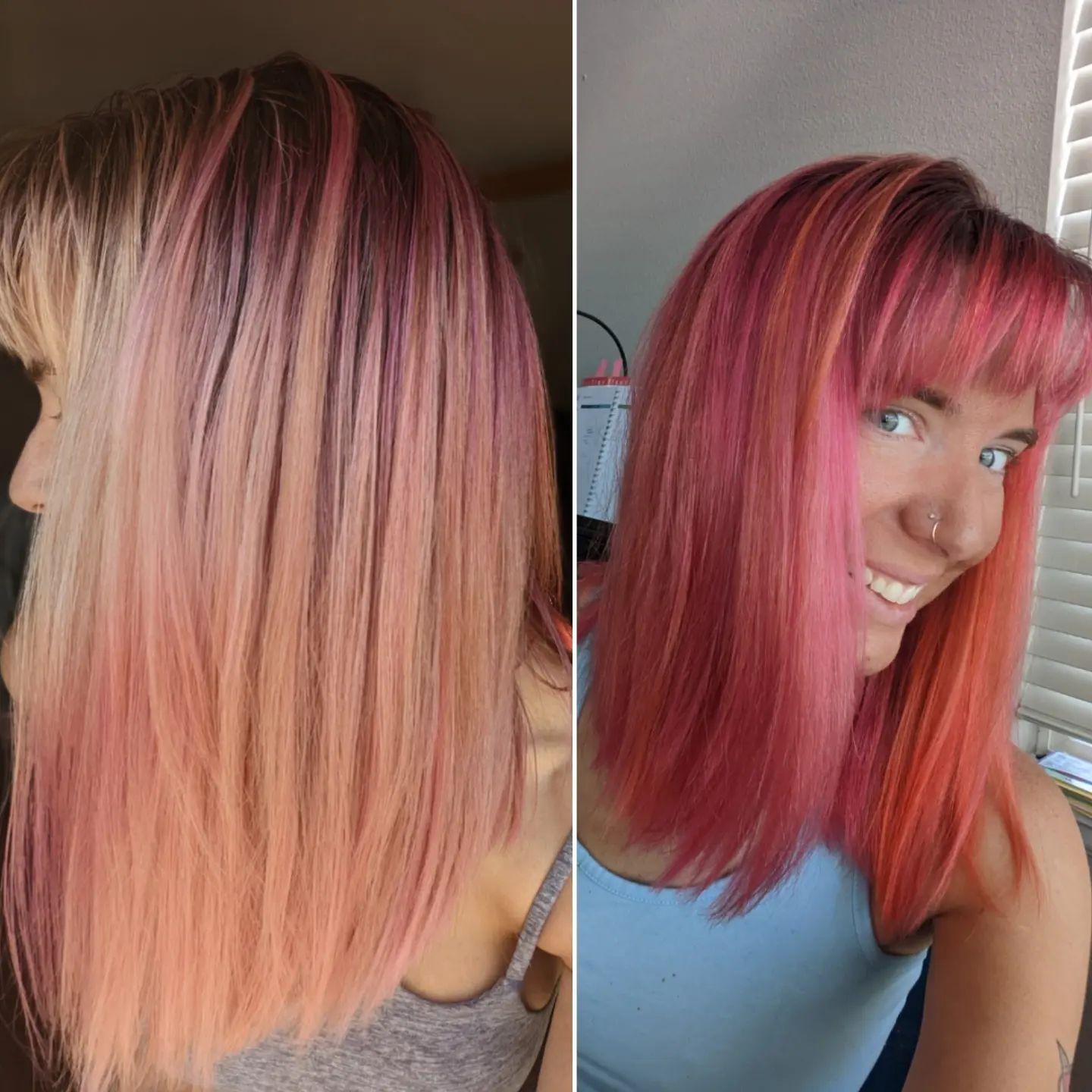
Semi-permanent hair color works by depositing pigment onto the hair while conditioning it. It does not remove natural pigment or permanently alter the hair structure. Instead, the color gradually fades as the hair is washed.
This fading is intentional. It allows color to evolve rather than remain fixed. There are no harsh regrowth lines, and maintenance can be flexible. Many people choose semi-permanent color because it allows them to participate in color without locking themselves into a rigid cycle.
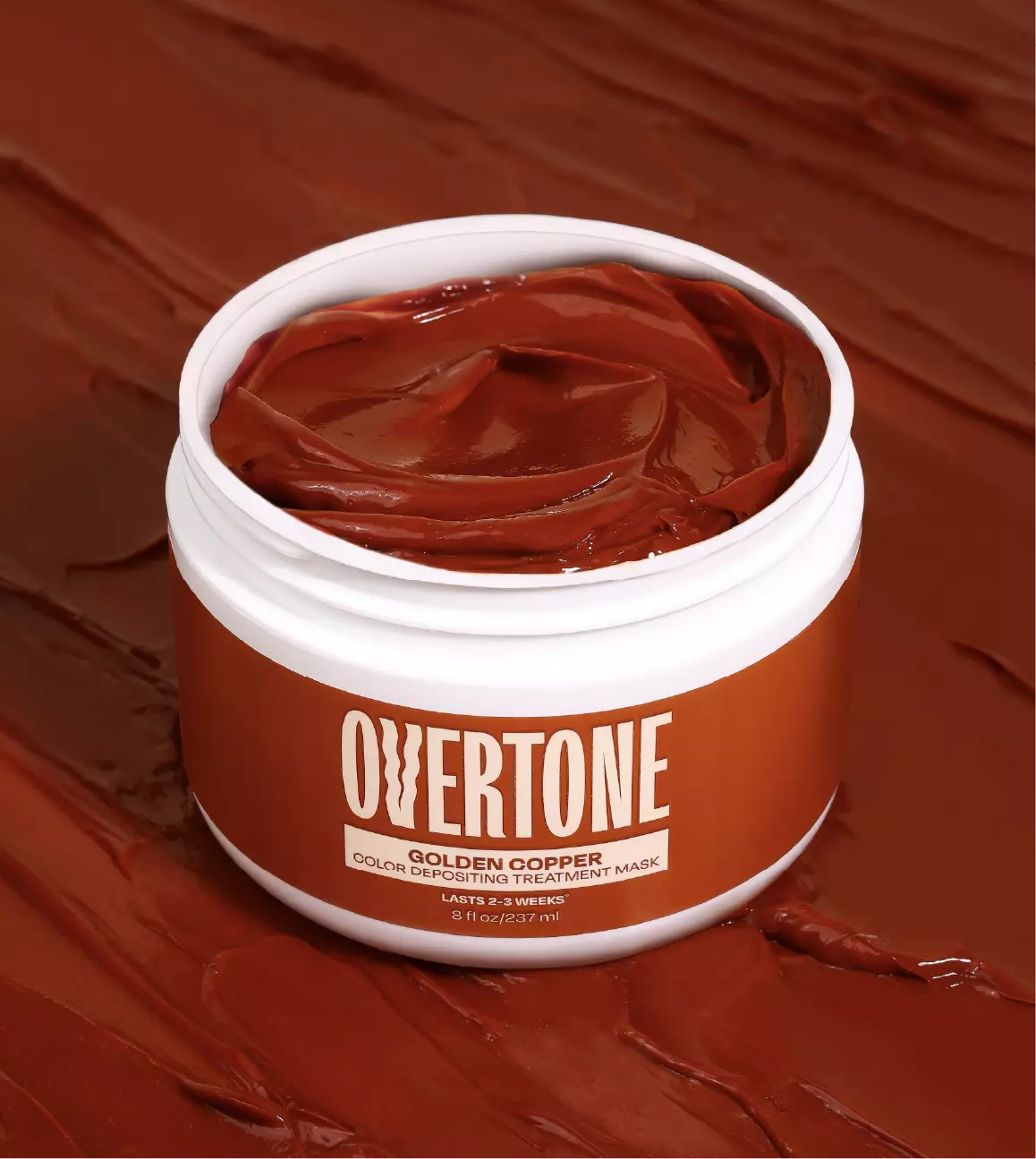
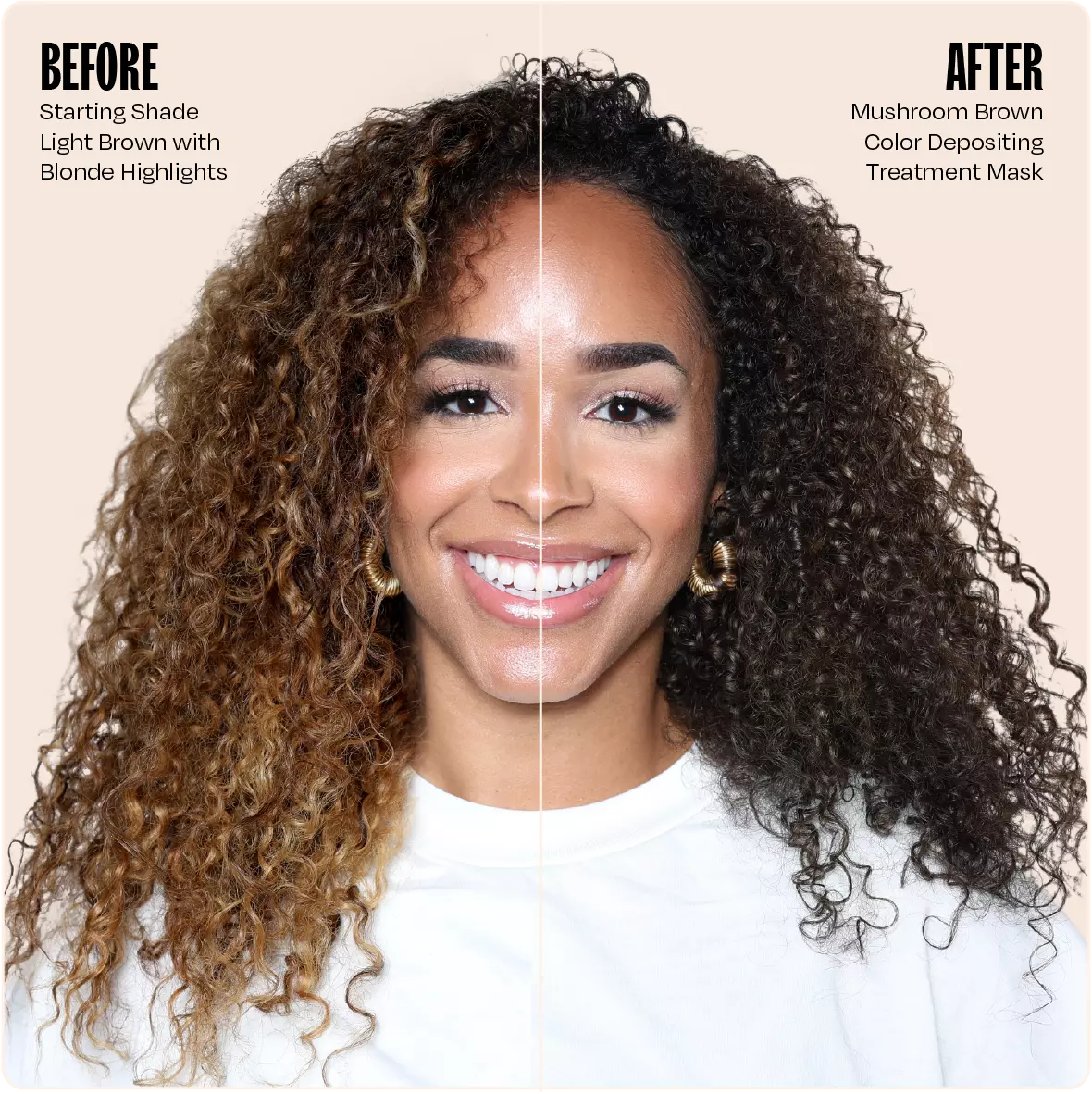
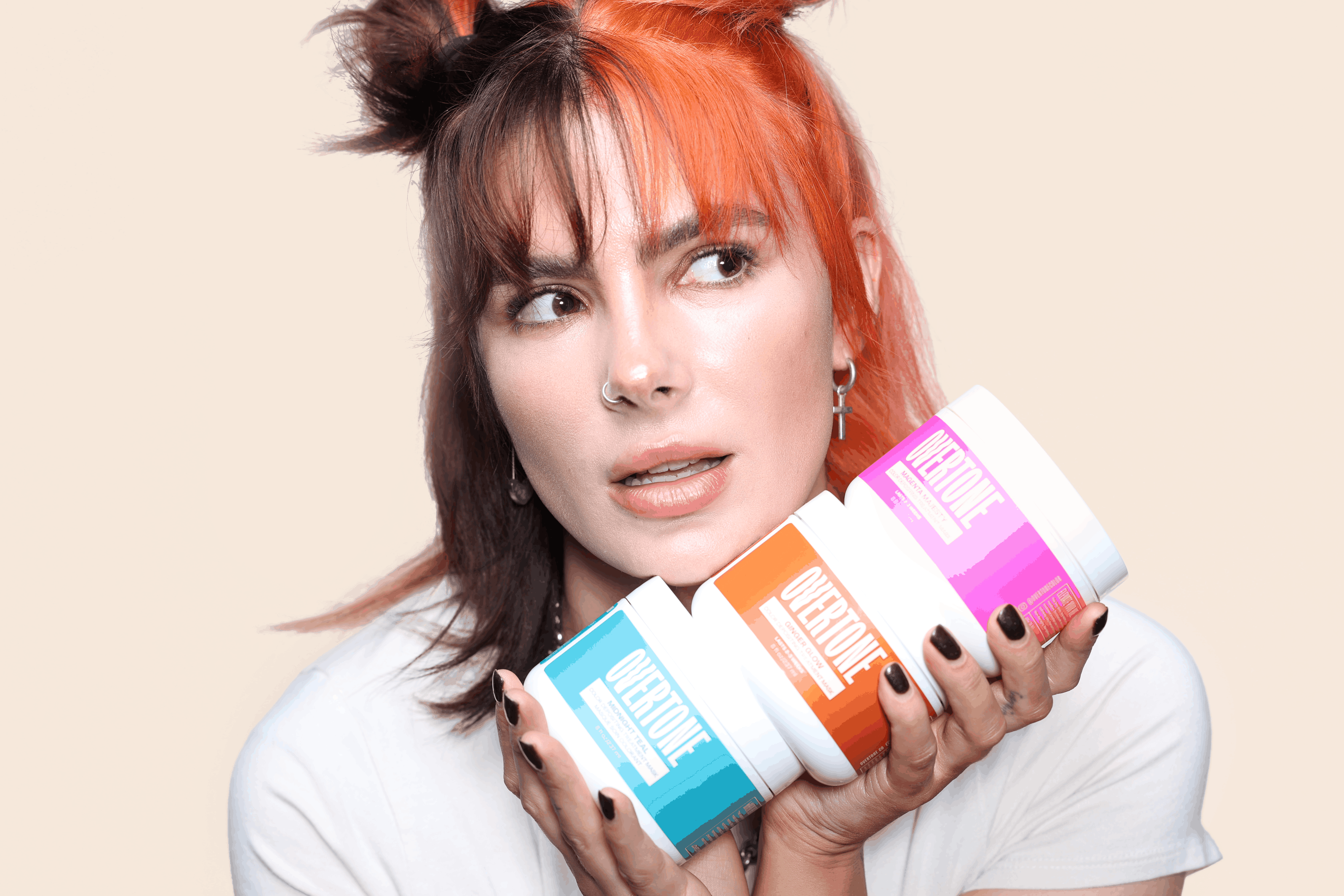
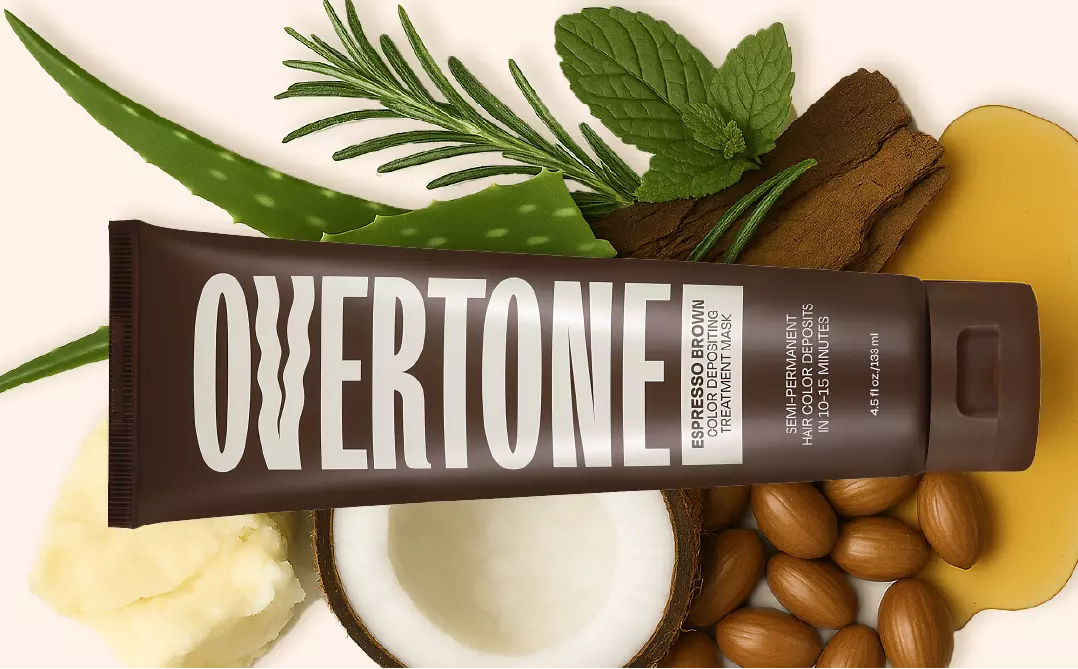
Systems like Overtone Color Depositing Treatment Mask combine pigment with deep conditioning, making color feel like care rather than damage control.
WHICH OPTION IS BETTER FOR LONG-TERM HAIR HEALTH?
When hair health is the top priority, semi-permanent color often makes more sense.
Permanent color can weaken the hair over time, especially with repeated applications. Even with good aftercare, the cumulative impact can show up as dryness, breakage, or loss of elasticity.
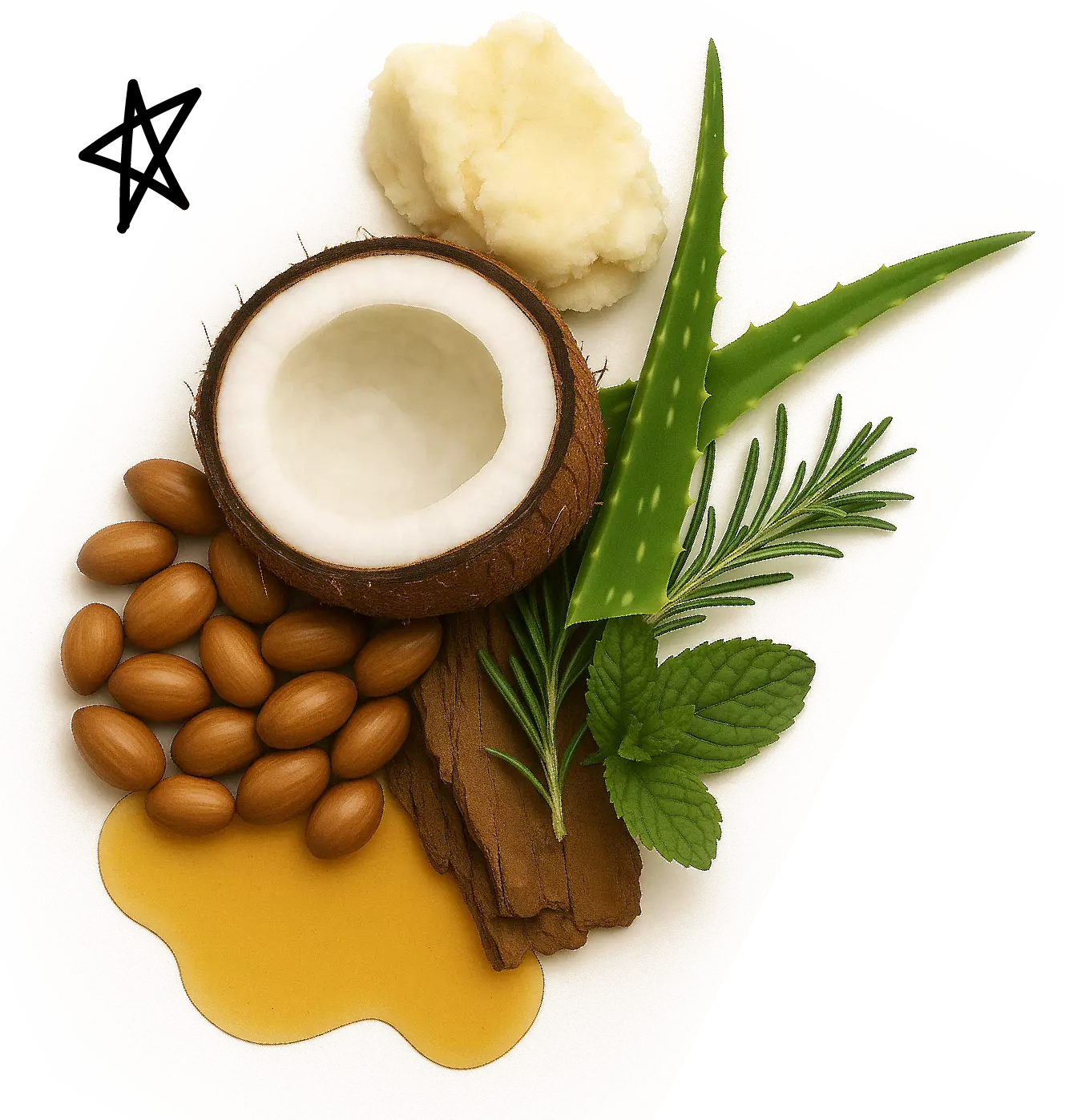
Semi-permanent color supports moisture rather than stripping it. Many people report that their hair feels softer after coloring instead of more fragile. This difference becomes especially important for people growing their hair out or recovering from damage. Choosing semi-permanent color is often less about avoiding color and more about choosing a system that supports hair longevity.
HOW DOES MAINTENANCE FEEL DIFFERENT BETWEEN THESE TWO SYSTEMS?
Maintenance is where lifestyle fit becomes obvious.
Permanent color requires scheduled upkeep. Roots appear whether or not you are ready to address them. Skipping touch-ups often results in visible contrast that feels unfinished.
Semi-permanent color fades gradually. Maintenance becomes optional rather than urgent. Color can be refreshed when it looks softer rather than when it feels unavoidable. For many people, this flexibility is the deciding factor.
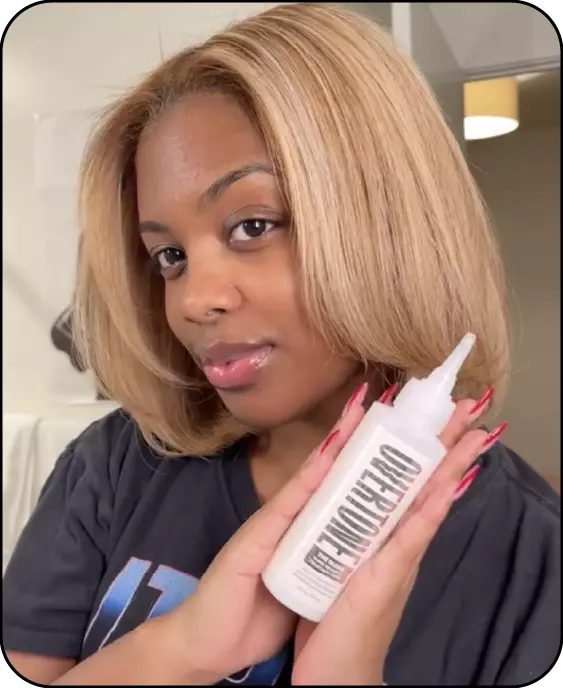
Using Overtone Color Depositing Daily Conditioner allows maintenance to happen during regular wash days instead of dedicated coloring sessions.

HOW DOES REGROWTH IMPACT THE EXPERIENCE OF COLOR?
Regrowth is one of the most emotionally charged aspects of hair color.
Permanent color creates a clear line between treated hair and new growth. This can feel especially stark with high-contrast shades or gray coverage.
Semi-permanent color fades over time, so regrowth blends more naturally. New hair does not stand out as dramatically because the existing color is softening as well.
This makes grow-out feel intentional rather than neglected.
WHICH SYSTEM IS MORE FORGIVING FOR FIRST-TIME COLOR USERS?
For people coloring their hair for the first time, forgiveness matters.
Permanent color leaves little room for adjustment. If the shade feels too dark, too warm, or not quite right, correction can be stressful and damaging. Semi-permanent color fades. This gives first-time users room to experiment, learn, and adjust without long-term consequences. Many people begin with semi-permanent color specifically because it allows learning without pressure.
HOW DO SEMI-PERMANENT AND PERMANENT COLOR COMPARE FOR GRAY HAIR?
Gray hair is often the tipping point in this decision.
Permanent color fully covers gray hair by replacing missing pigment. This creates uniform color but also strong regrowth lines that require consistent maintenance.
Semi-permanent color blends gray hair rather than fully covering it. Gray strands pick up pigment softly, creating dimension and lower contrast. Coverage varies based on texture and porosity. People who want softer transitions often start with Overtone Color Depositing Daily Conditioner to see how their gray responds before committing to deeper pigment.
HOW DOES HAIR TEXTURE INFLUENCE WHICH OPTION WORKS BETTER?
Hair texture affects how both systems behave. Fine hair may show damage from permanent color more quickly. Coarse hair may resist pigment but feel drier over time. Curly and textured hair often benefits from semi-permanent systems because they prioritize moisture and elasticity.
Texture does not determine what you can use, but it does influence which system feels easier to live with long term.
HOW DOES WASHING FREQUENCY CHANGE THE EQUATION?
Washing frequency affects semi-permanent and permanent color differently.
Permanent color remains in the hair regardless of washing, though it can dull over time. Semi-permanent color fades with washing, which means wash habits matter more. For frequent washers, semi-permanent color works best when supported by maintenance products rather than constant reapplication.
Using Overtone Color Depositing Daily Conditioner helps reinforce tone gradually without overprocessing.
HOW DO YOU MAINTAIN SEMI-PERMANENT COLOR WITHOUT OVERDOING IT?
Overuse is a common fear with semi-permanent color. The solution is layering. Daily conditioners maintain tone lightly. Treatment masks are used intentionally when color needs a noticeable refresh.
Overtone Color Depositing Treatment Mask is best used when color has softened significantly, not every wash. This keeps color dimensional rather than heavy.
DOES PERMANENT COLOR ALWAYS LOOK MORE VIBRANT?
Permanent color is often assumed to be more vibrant, but vibrancy depends heavily on shine and hair condition.
Hair that is dry or damaged reflects light poorly, making even permanent color look flat. Semi-permanent color paired with conditioning and gloss can look just as vibrant, if not more so. This is where The Gloss becomes important. Gloss improves reflectivity, making color look richer without adding pigment.
HOW DOES SHINE CHANGE THE PERCEPTION OF COLOR?
Shine affects how the eye perceives color intensity. Smooth hair reflects light evenly, making color appear deeper and more saturated. Rough hair scatters light, making color look dull. Improving shine often does more for vibrancy than adding more pigment.
WHICH OPTION IS BETTER FOR DAMAGED OR FRAGILE HAIR?
Hair that is already fragile often responds better to semi-permanent color. Permanent color can compound existing damage, while semi-permanent color often improves the feel of damaged hair because of its conditioning base. For people focused on repair and growth, semi-permanent systems are often the more supportive choice.
HOW DOES COMMITMENT LEVEL AFFECT SATISFACTION?
Commitment level is rarely discussed but deeply felt.
Permanent color requires ongoing commitment. Once you start, stopping often involves grow-out periods or corrective color.
Semi-permanent color allows pauses. You can stop, adjust, or switch shades without drastic intervention.
For many people, this freedom significantly improves satisfaction.
HOW DOES COST ADD UP OVER TIME?
Permanent color may appear less expensive upfront, but ongoing root touch-ups, corrective treatments, and repair products add up. Semi-permanent color often involves more frequent product interaction, but fewer corrective steps.
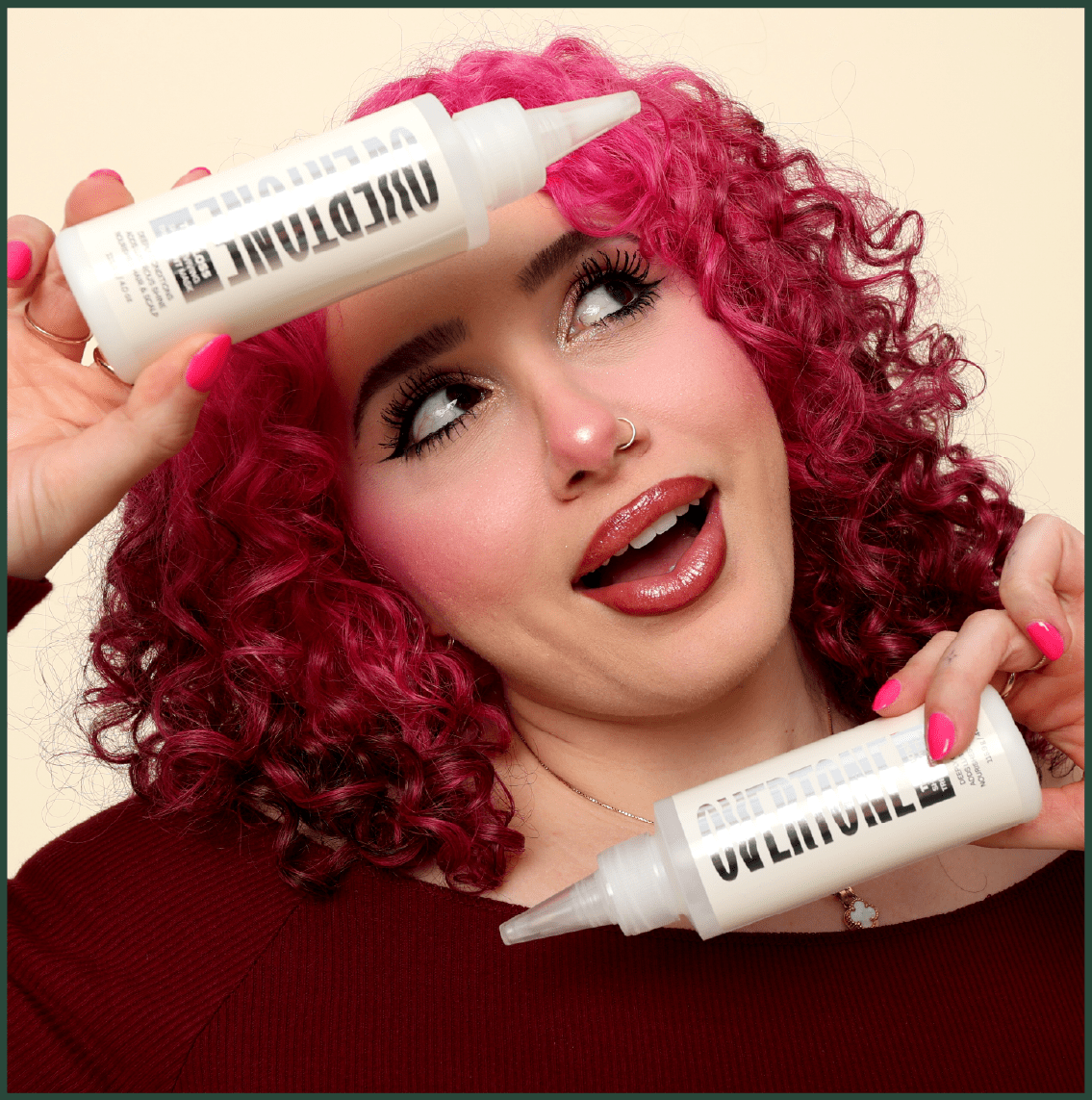
Using Overtone Color Depositing Daily Conditioner as part of a regular routine replaces the need for frequent full recoloring.
HOW DOES LIFESTYLE INFLUENCE THE BETTER CHOICE?
Lifestyle often makes the answer obvious. Busy schedules, frequent travel, and active routines often align better with semi-permanent color. Predictable schedules and preference for uniformity may align better with permanent color. The right choice is the one that fits your real life, not your ideal routine.
WHAT DOES A SEMI-PERMANENT COLOR ROUTINE LOOK LIKE IN PRACTICE?
A realistic routine often includes:
-
Overtone Color Depositing Daily Conditioner for ongoing tone support.
-
Overtone Color Depositing Treatment Mask for deeper refreshes.
Each product plays a specific role, creating a system rather than a single solution.
FINAL PERSPECTIVE ON CHOOSING THE RIGHT HAIR COLOR SYSTEM
Semi-permanent and permanent hair color serve different purposes. Permanent color offers longevity with obligation. Semi-permanent color offers flexibility, conditioning, and a lower-pressure relationship with color.
The better choice is not universal. It is personal. When your hair color system aligns with your lifestyle, expectations, and hair health goals, color stops feeling like maintenance and starts feeling like self-expression.
CHECK OUT OUR MOST POPULAR PRODUCTS

Magenta Majesty Healthy Color Duo
