


METALLIC HAIR, SILVERTONES, AND MODERN GRAY: WHY COOL TONES DOMINATE 2026

There was a time when gray hair was something to conceal.
In 2026, it is something to refine.
Metallic finishes are dominating fashion, beauty, and design. Chrome nails. Liquid silver accessories. Reflective fabrics. It was only a matter of time before hair followed.
But metallic hair is not simply platinum. It is not chalky ash. It is not flat gray.
Modern metallic hair is reflective, dimensional, and controlled. It enhances tone rather than stripping it. It blends natural gray rather than covering it completely. It feels deliberate.
This is where Silvertones enter the conversation.
Silvertones are not about erasing maturity. They are about elevating it. They are not about chasing platinum. They are about precision.
THE RISE OF INTENTIONAL GRAY
The language around gray has shifted. What once felt like maintenance now feels like autonomy.
Modern gray is not accidental. It is curated.
But gray hair behaves differently from pigmented hair. As melanin decreases, texture can become coarser. Coarse texture reflects light unevenly. Uneven reflection makes gray appear dull.
This is why metallic silver is not simply about tone. It is about shine.
Conditioning pigment smooths the cuticle. A smooth cuticle reflects light evenly. Even reflection creates metallic dimension.
That is why Silvertones enhance gray rather than flatten it.
Serene Silver blends natural gray softly. It does not fully cover. It refines brightness and smooths the strand so light catches cleanly.
WHAT MAKES HAIR LOOK METALLIC?
Metallic finishes depend on three factors: tone clarity, cuticle smoothness, and dimensional layering.
Tone clarity ensures cool undertones are not muddied by yellow or orange warmth. Cuticle smoothness ensures light reflection. Dimensional layering prevents flatness.
Twilight Titanium has become one of the most talked-about silver shades because it balances depth with reflection.
On light blonde, it reads like steel under daylight. On medium brown, it becomes smoky and refined. On gray, it enhances contrast subtly.
Metallic is not one-dimensional silver. It is silver with depth.
SILVERTONES ON NATURAL GRAY HAIR
For those embracing natural gray, Silvertones offer enhancement rather than concealment.
They do not create opaque coverage. They blend silver strands with subtle cool pigment. They increase shine. They reduce contrast between gray and pigmented sections.
Application is straightforward. Apply the Treatment Mask to clean, dry hair. Leave on for ten to fifteen minutes for soft blending. Extend to twenty minutes for stronger tone reinforcement. Rinse with lukewarm water.
Because the base is conditioning, hair should feel softer after rinsing, not drier.
The goal is polish, not transformation.
SILVERTONES ON BLONDE HAIR
Blonde hair provides the brightest canvas for metallic finishes.
When Twilight Titanium or Serene Silver is applied to pale blonde and processed fully, the result is luminous and reflective. The metallic effect appears strongest because the underlying pigment is already light.
However, blonde carries yellow undertones. Over time, warmth can resurface.
Maintaining metallic clarity requires neutralization.
Used after shampooing and left on for several minutes, purple toning preserves crisp silver without dulling shine.
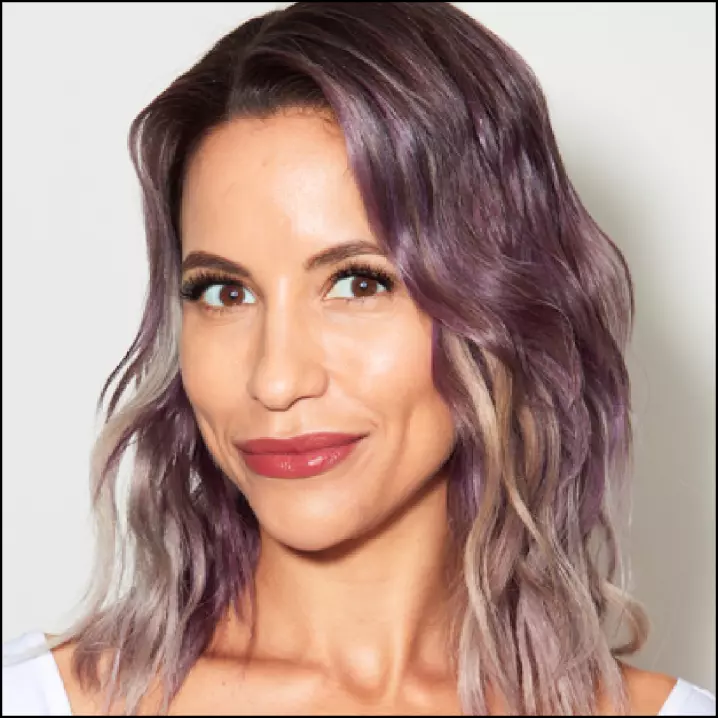
SILVERTONES ON BRUNETTE HAIR
On brunette hair, silver becomes moodier.
Without lift, it cools warmth and creates smoky dimension. With lift, it transforms.
For those seeking visible brightness from darker bases, lifting once can dramatically change results.
👉[The Bleach 30 Volume Hair Lightening System]
The bleach system is designed for controlled lightening. Once the desired level is achieved, Silvertones can be layered to create that metallic finish.
Lift strategically. Maintain with conditioning pigment.
WHY GLOSS DEFINES METALLIC HAIR
Metallic hair without shine is simply gray. Gloss is what transforms tone into metal.
When the cuticle lies flat, light reflects cleanly. When it is rough, light scatters and dulls the surface.
👉[The Gloss]
Applying Gloss after your Treatment Mask and leaving it on for five to ten minutes seals the surface and enhances reflection. The difference is visible immediately. Silver appears brighter and more dimensional.
Metallic is not about depth alone. It is about surface precision.
LONGEVITY AND FADE
Silvertones typically last up to ten washes, depending on porosity and water temperature.
Hot water accelerates fade. Frequent washing softens intensity faster. Highly porous hair may release pigment more quickly.
Refreshing before silver disappears completely creates layered depth rather than dramatic shift.
Silver evolves gradually. It does not drop off suddenly.
WHY COOL TONES FEEL SO MODERN
Cool tones strip away distraction. They feel clean. They feel deliberate.
In fashion, minimalism has returned. In beauty, skin-first makeup dominates. In hair, metallic silver reflects this movement.
Silvertones pair effortlessly with both monochrome wardrobes and bold styling. They frame the face without overwhelming it.
They feel intentional.
There is also something quietly radical about metallic hair that often goes unspoken. It challenges the long-standing narrative that shine must equal warmth. For decades, glossy hair meant caramel, honey, golden brunette. Shine was synonymous with warmth. Silver disrupts that association.
Metallic silver proves that gloss can be cool.
This distinction matters because it redefines how we think about health and vibrancy. When silver is executed properly, it does not drain the complexion. It reflects light upward onto the face. It creates clarity around the jawline. It sharpens cheekbones subtly. The effect is sculptural without being severe.
That sculptural quality is why metallic tones photograph so well. Under natural daylight, silver captures brightness without overexposure. Under evening lighting, it deepens into a refined slate. In motion, it shifts. It is never static.
This movement is what differentiates metallic hair from flat gray dye of the past.
True metallic hair lives in the surface of the strand. It relies on cuticle alignment. When the outer layer of the hair lies smoothly, light returns in a consistent direction. That consistency is what the eye interprets as polish.
This is precisely why conditioning pigment is critical. Color that deposits through hydration rather than stripping allows the surface to remain intact. When you apply a Silvertones Treatment Mask, you are not only layering tone. You are smoothing the strand.
👉[Twilight Titanium Color Depositing Treatment Mask]
Applied to clean, dry hair and left for a full fifteen to twenty minutes, Twilight Titanium builds depth gradually. The first application may create a soft smoky shift. The second may intensify steel undertones. The buildability is what allows metallic hair to feel controlled rather than overwhelming.
For those enhancing natural gray, the process is slightly different. Gray hair can resist pigment at times because of texture changes. Allowing the mask to process the full twenty minutes ensures even blending. Rinsing with lukewarm water rather than hot preserves tonal clarity. Following with Gloss reinforces reflectivity.
👉[The Gloss]
Glossing silver is transformative. It is the difference between matte gray and liquid chrome. Five to ten minutes is sufficient to smooth the surface and elevate shine. When the cuticle reflects evenly, silver feels modern rather than aging.
Another dimension of metallic hair that deserves attention is contrast. Silver reduces harsh contrast between highlights and lowlights because it neutralizes warmth. The result appears cohesive. On layered cuts, this cohesion creates depth without obvious striping. On blunt cuts, it sharpens edges. On long hair, it creates a flowing sheet of cool light.
The adaptability of metallic tones is part of their dominance in 2026. They can read minimalist or dramatic depending on styling. Pulled back into a sleek low bun, silver feels editorial and composed. Worn in natural curls, it appears textured and dimensional. Air-dried waves catch light at each bend, creating movement that feels effortless.
This versatility is also why Silvertones are resonating across generations. Younger wearers may seek titanium finishes for fashion impact. Those embracing gray may seek refinement and blending. The same conditioning system supports both.
Maintenance plays a role in preserving that metallic quality. Cool tones require tone balance. Yellow undertones from blonde bases can reappear. Orange undertones from brunette bases can surface subtly as pigment fades. This is not a flaw in silver. It is the natural undertone structure of hair revealing itself.
Supporting silver with purple or blue toning keeps clarity intact.
Used thoughtfully, these toning conditioners refine without flattening. They maintain crispness so metallic finishes remain luminous rather than muddied.
It is also worth addressing the common misconception that metallic hair is high maintenance. In reality, conditioning silver systems reduce long-term stress on the hair because they avoid repeated permanent processing. Pigment fades gradually rather than creating a stark regrowth line. Refreshing every several washes maintains dimension without drastic correction.
The difference between metallic hair done aggressively and metallic hair done intelligently lies in restraint. Lift only when necessary. Build tone gradually. Prioritize shine at every step.
For darker starting shades seeking brightness, lift may be required to achieve visible silver.
👉[The Bleach 30 Volume Hair Lightening System]
Lightening once strategically allows silver pigment to reflect clearly. After that, maintenance shifts to conditioning color rather than repeated bleach sessions. This approach preserves structural integrity and keeps metallic finishes from looking brittle.
There is also a subtle elegance in how silver softens over time. As it fades, it transitions into a smoky neutrality rather than a harsh warm tone. That evolution feels intentional rather than abrupt. It allows the wearer to shift direction gradually if desired.
Silver can evolve into softer beige tones. It can be re-intensified into titanium. It can be glossed for additional shine. It can be layered again to deepen dimension.
Flexibility is what makes modern metallic hair sustainable.
Ultimately, metallic hair in 2026 represents clarity. It strips away excess warmth and leaves behind precision. It reflects light with intention. It enhances natural gray instead of fighting it. It respects the structure of the hair rather than compromising it.
Cool tones are not dominating because they are louder. They are dominating because they feel refined.
And refinement, this year, is the true luxury.
METALLIC DOES NOT MEAN HARSH
There is a misconception that cool tones feel severe.
In reality, metallic silver can soften features when shine is prioritized. Reflective surfaces bounce light onto the skin, brightening complexion subtly.
Silver layered over natural gray feels cohesive. Silver layered over blonde feels editorial. Silver layered over brunette feels smoky.
The trend is adaptable.
THE FUTURE OF MODERN GRAY
Modern gray is no longer something to grow out reluctantly. It is something to enhance thoughtfully.
Silvertones allow you to blend gray softly, refine tone, and maintain shine without permanent commitment.
They respect the hair’s natural evolution instead of fighting it.
If you are ready to explore metallic refinement rather than coverage, begin here:
Metallic hair in 2026 is not about hiding age.
It is about owning tone.
CHECK OUT OUR MOST POPULAR PRODUCTS

Vivid Violet Healthy Color Duo
