


HOW LONG DOES SEMI-PERMANENT HAIR COLOR LAST? WHAT UP TO 10 WASHES REALLY MEANS
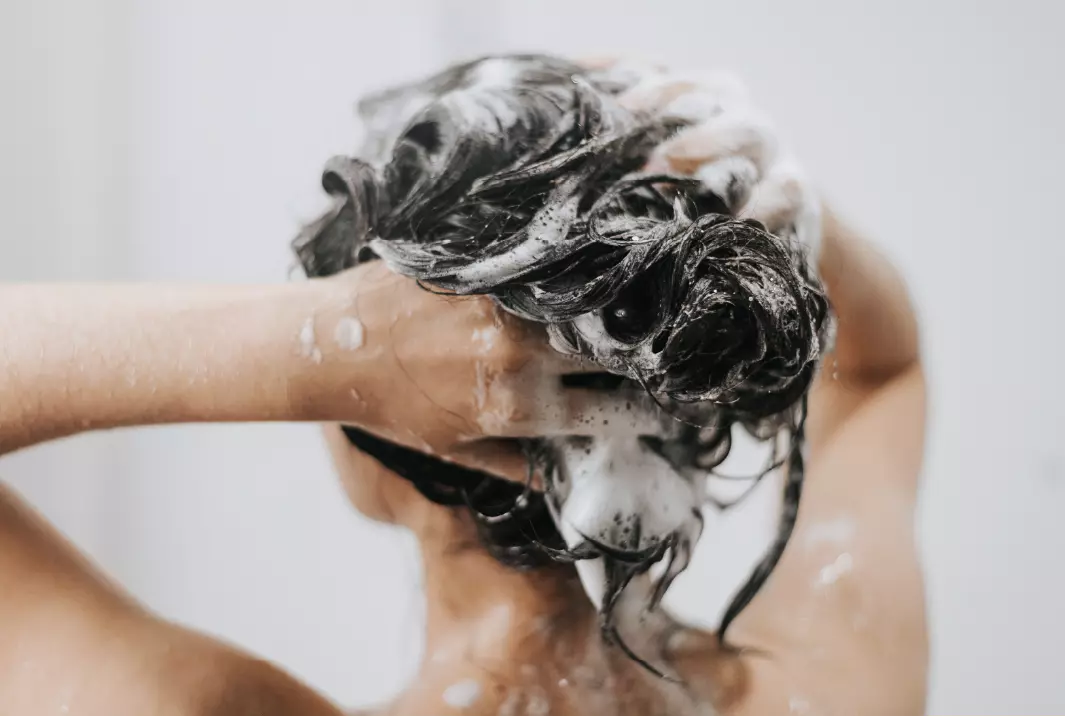
THE QUESTION PEOPLE ASK AFTER THEIR FIRST WASH
Most people do not question semi-permanent color on day one. They question it after wash one.
They look in the mirror and think, did it already fade?
If you have ever felt that, you are not alone. The number one complaint about semi-permanent color across brands is fading faster than expected. That is because “lasting” means different things depending on hair type, hair history, and how you wash.
This guide explains what “up to 10 washes” actually means, what changes that timeline, and how to keep color looking intentional as it softens.
QUICK FACTS ABOUT SEMI-PERMANENT COLOR LONGEVITY
-
Typical wear time: up to 10 washes
-
What changes it most: water temperature, washing frequency, porosity, and hair history
-
What to expect: gradual softening, not harsh grow-out
-
Best approach: maintain tone between applications instead of restarting from scratch
WHAT IS SEMI-PERMANENT HAIR COLOR IS DESIGNED TO DO?
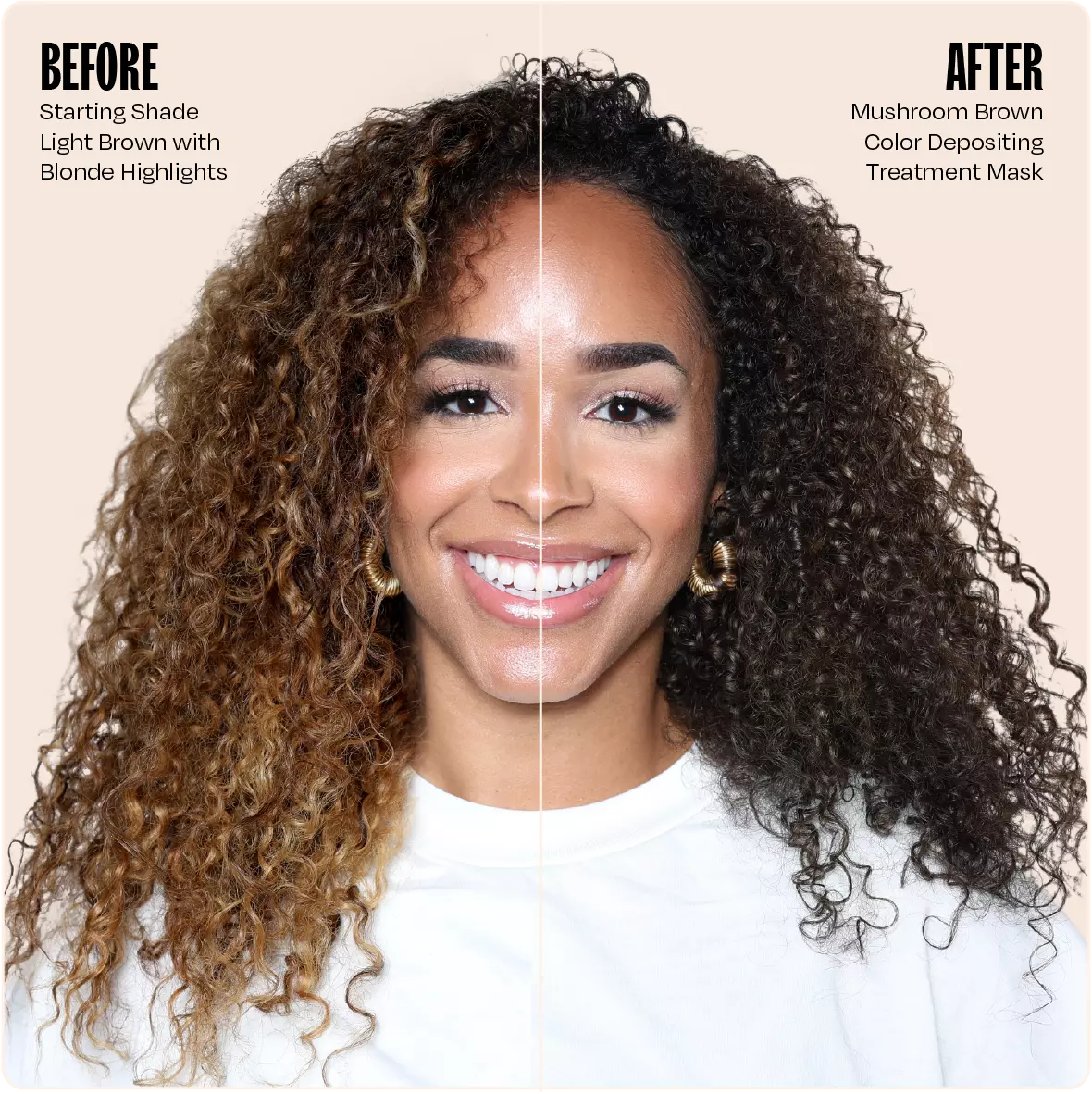
Semi-permanent color is built to deposit pigment without permanently altering the hair structure. It generally:
-
Coats the outer layers of hair
-
Fades gradually over washes
-
Allows easy refreshing without harsh processing
-
Keeps hair feeling conditioned instead of rough
This is why many people choose semi-permanent color when they want flexibility. The tradeoff is that it fades, because it is not meant to be permanent.
WHAT “UP TO 10 WASHES” ACTUALLY MEANS
“Up to 10 washes” is not a guarantee. It is a wear range.
Think of it as a typical window where color remains visible, then slowly becomes softer until it blends back toward your base.
It does not mean:
-
Color disappears suddenly on wash ten
-
Everyone gets the same fade timeline
-
Color is perfect for all ten washes
It means many users will see strong color early, then gradual softening over time. For some hair types, that softening happens sooner. For others, it happens later.
WHY IS “UP TO 10 WASHES” IS DIFFERENT ON DIFFERENT HEADS OF HAIR?
Here are the biggest reasons two people can use the same product and see different longevity.
Water Temperature
Hot water opens the cuticle more than cool or lukewarm water. When the cuticle is more open, pigment can rinse away faster. If you wash with very hot water, you may notice color softening sooner. If you wash with cooler water, color often wears more slowly and evenly.
Hair Texture
Texture matters because texture influences porosity.
-
Fine hair can absorb pigment quickly but may also release it quickly depending on porosity
-
Coarse hair can hold pigment well but may need more saturation to deposit evenly
-
Curly and textured hair often has mixed porosity, meaning different areas fade at different rates
This is why some people see ends fade faster than roots, or lighter pieces shift first.
Hair History: Virgin vs Bleached vs Permanent Dye
This is one of the biggest variables.
Virgin hair
Virgin hair often has a smoother cuticle, which can make pigment sit more on the surface. Results may look softer initially, but wear can be steady.
Previously bleached hair
Bleached hair is usually more porous. It often takes pigment easily and looks brighter, but it can also release pigment faster during washing.
Previously permanently dyed hair
Permanent dye can affect porosity and tone underneath the semi-permanent color. It may influence how color shows up and how it fades, especially if the base is uneven.
Heat damage or chemical services
Heat styling, relaxers, keratin treatments, and repeated chemical services can change porosity and fade patterns.
If you are comparing your results to someone else’s online, hair history is often the missing context.
WHAT DOES NORMAL FADING SHOULD LOOK LIKE?
Healthy fading is usually:
-
Gradual
-
Even across the strand
-
Softer and more blended over time
It should not look like an immediate disappearance.
When fading looks abrupt, it is usually due to:
-
Very porous hair
-
Frequent washing
-
Hot water
-
Harsh cleansers or clarifying products
-
Under-saturation during application
The goal is not to prevent fading completely. The goal is to make fading look good.

HOW DO YOU MAKE SEMI-PERMANENT COLOR WEAR BETTER OVER TIME?
This section focuses on control. Not a full routine, not a complicated system, just the levers that impact wear.
Use Gentle Cleansing on Wash Days
Harsh cleansers can strip pigment and moisture at the same time. Gentle cleansing supports color longevity.
Many people use The Hydrator Moisturizing Shampoo because it cleanses without over-stripping.
Condition to Reduce Friction and Dryness
Dry hair looks faded faster because it reflects less light. Conditioning supports softness and helps color look richer as it wears.
The Ultimate Conditioner can help keep hair smooth and manageable, especially as color begins to soften.
Refresh Before You Fully Lose It
Instead of waiting until color disappears, many people refresh at the point where color is still present but less saturated.
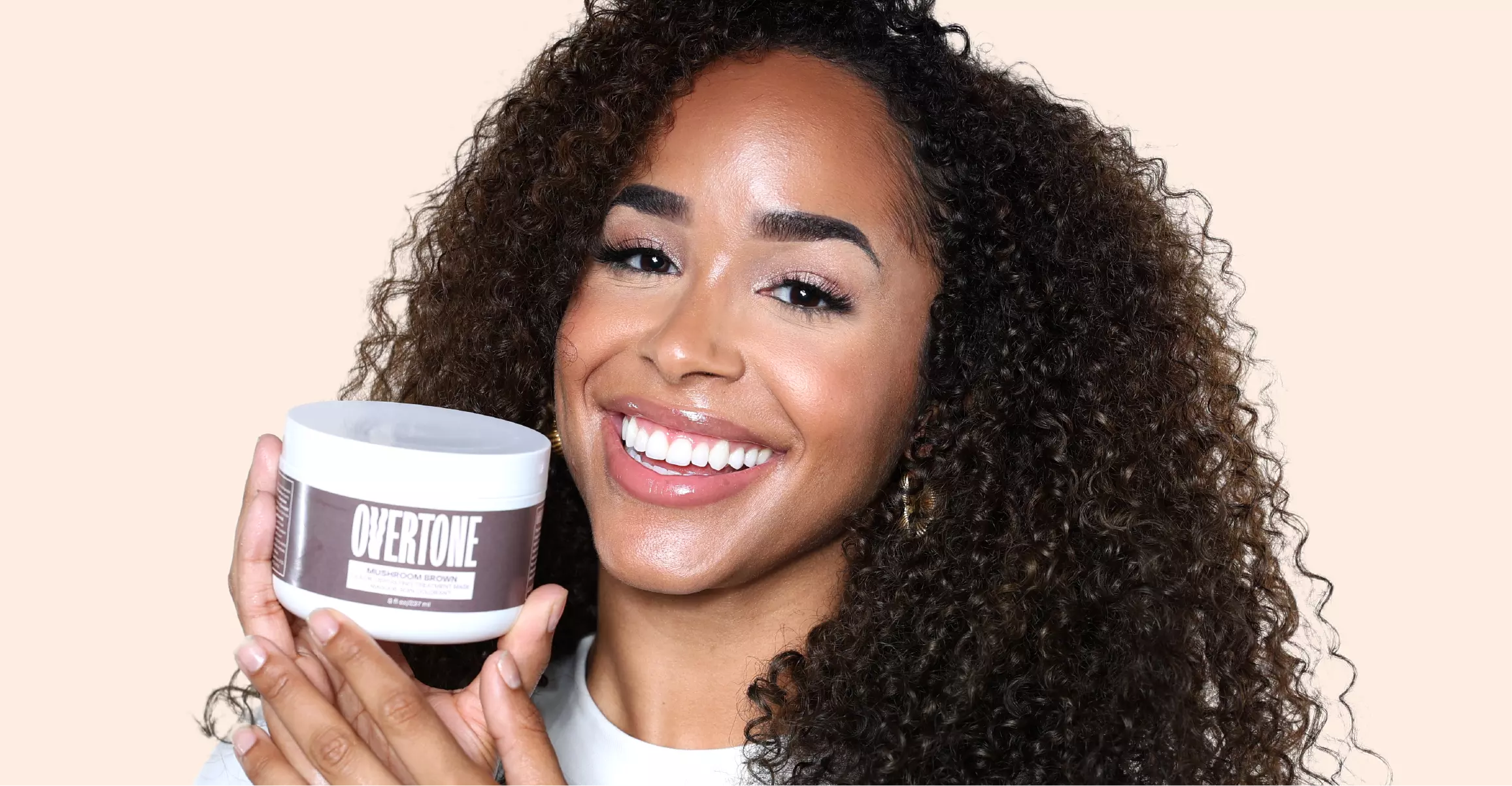
Overtone Color Depositing Treatment Mask is commonly used for those refresh moments, especially when you want pigment impact.
Maintain Tone Between Refreshes
If you want fewer full applications, maintenance matters.
Overtone Color Depositing Daily Conditioner is designed to add small amounts of pigment during regular wash days, helping tone stay consistent longer.
Keep the Surface Looking Polished
Even as pigment softens, shine can make color look intentional.
The Gloss helps improve reflectivity and smoothness. This can make faded color look more dimensional rather than dull.
WHEN DO I REAPPLY? VS WHEN DO I MAINTAIN?
This distinction saves time and product.
Reapply when:
-
Color has noticeably lightened beyond your preference
-
You want to restore full saturation
-
You are switching shades
Maintain when:
-
Color still looks good but slightly softer
-
You want to slow fading
-
You want consistent tone week to week
Most people do best with both, depending on where they are in the fade cycle.
FREQUENTLY ASKED QUESTIONS
-
Virgin hair can hold color well, but results may appear softer depending on shade and starting color. Longevity often depends on washing frequency and water temperature.
THE TAKEAWAY
Semi-permanent hair color typically lasts up to 10 washes, but that timeline depends on the conditions your hair lives in.
Water temperature, hair texture, and hair history make a major difference. Virgin hair, bleached hair, permanently dyed hair, and textured hair will not fade the same way.
The best way to think about longevity is not “how do I stop fading.” It is “how do I keep color looking intentional as it changes.”
With gentle washing, smart maintenance, and refreshes at the right time, semi-permanent color can stay wearable and beautiful long after the first application.
CHECK OUT OUR MOST POPULAR PRODUCTS

Vivid Violet Healthy Color Duo
