


How Do I Maintain Semi-Permanent Hair Color? A Realistic Routine That Actually Works

What Are People Really Asking When They Search “How Do I Maintain Semi-Permanent Hair Color?”
When someone asks how to maintain semi-permanent hair color, they are rarely asking for a complicated routine. They are usually asking why their color faded faster than expected, whether they did something wrong, and how to keep their hair looking good without constantly reapplying color.
Semi-permanent hair color is often chosen because it feels gentler and more flexible than permanent dye. But that flexibility also creates uncertainty. Because the color fades gradually, people are not always sure when to refresh, how often to maintain, or what products actually help versus hurt longevity.
Maintaining semi-permanent color is less about locking pigment in place and more about understanding how hair behaves over time. Once expectations align with reality, maintenance becomes far simpler and far less stressful.
How Long Is Semi-Permanent Hair Color Supposed to Last?
One of the most common points of confusion around semi-permanent color is longevity.
Most semi-permanent colors last up to 10 washes, depending on hair type, porosity, routine, and environment. This is not a flaw. It is how semi-permanent color is designed to behave.
Because the pigment sits closer to the surface of the hair, it fades gradually with washing rather than growing out with a harsh line. This makes it easier to adjust color, switch shades, or let color fade naturally.
Understanding this timeline upfront helps prevent overuse and frustration later.
What Actually Causes Semi-Permanent Hair Color to Fade Faster?
Color fading is rarely caused by one single factor. It is usually the result of several habits interacting over time.
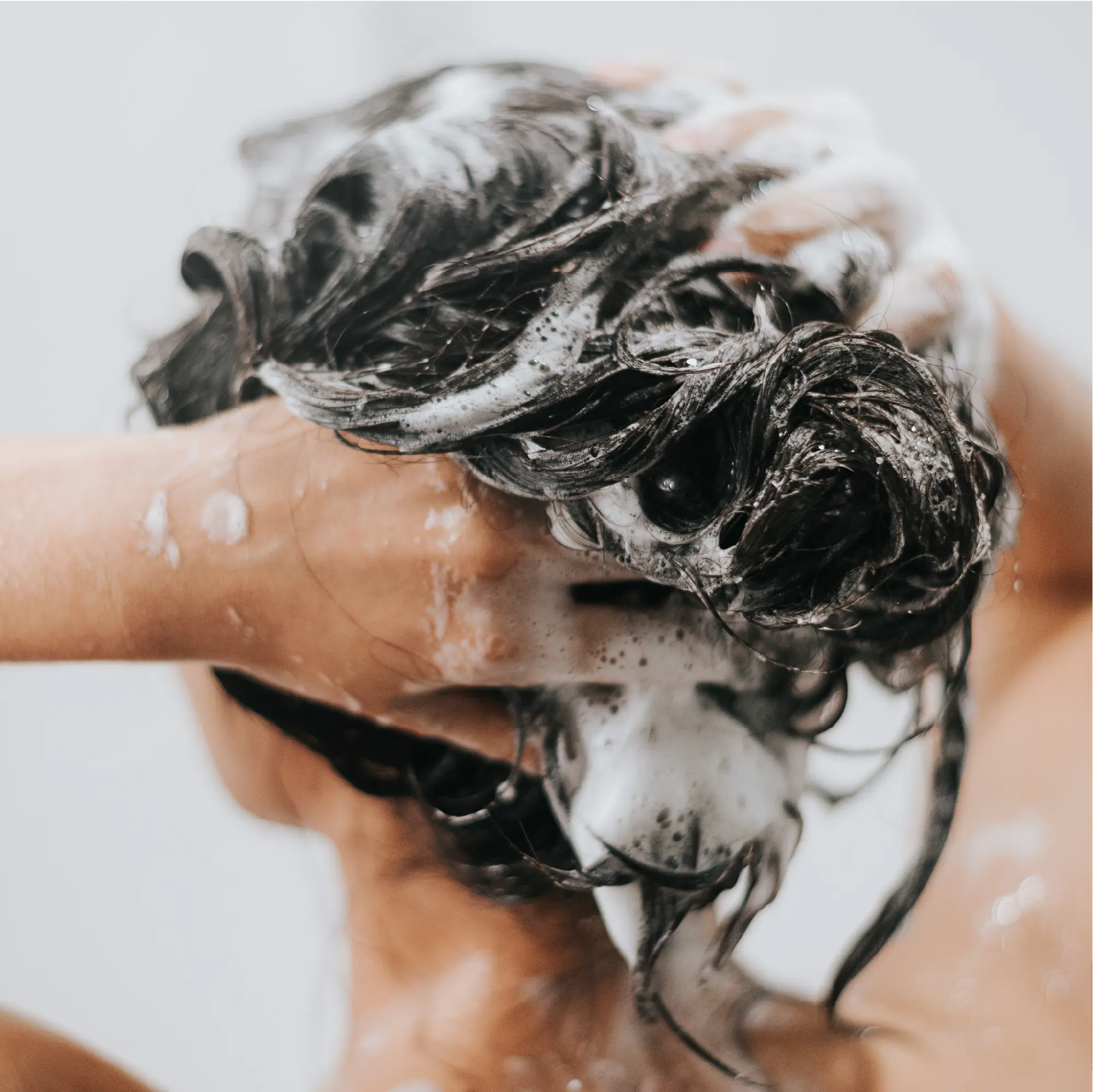
Frequent washing opens the cuticle repeatedly, allowing pigment to release faster. Hot water accelerates this process by further lifting the cuticle. Harsh shampoos strip both oil and pigment, leaving hair drier and less able to hold color.
Environmental factors also play a role. Sun exposure, hard water, and friction from styling can all affect how long color appears vibrant.
Fading does not mean color is gone completely. Often, pigment remains but appears muted because the hair surface is dry or rough.
How Does Hair Texture Affect Color Maintenance?
Hair texture plays a significant role in how semi-permanent color behaves.
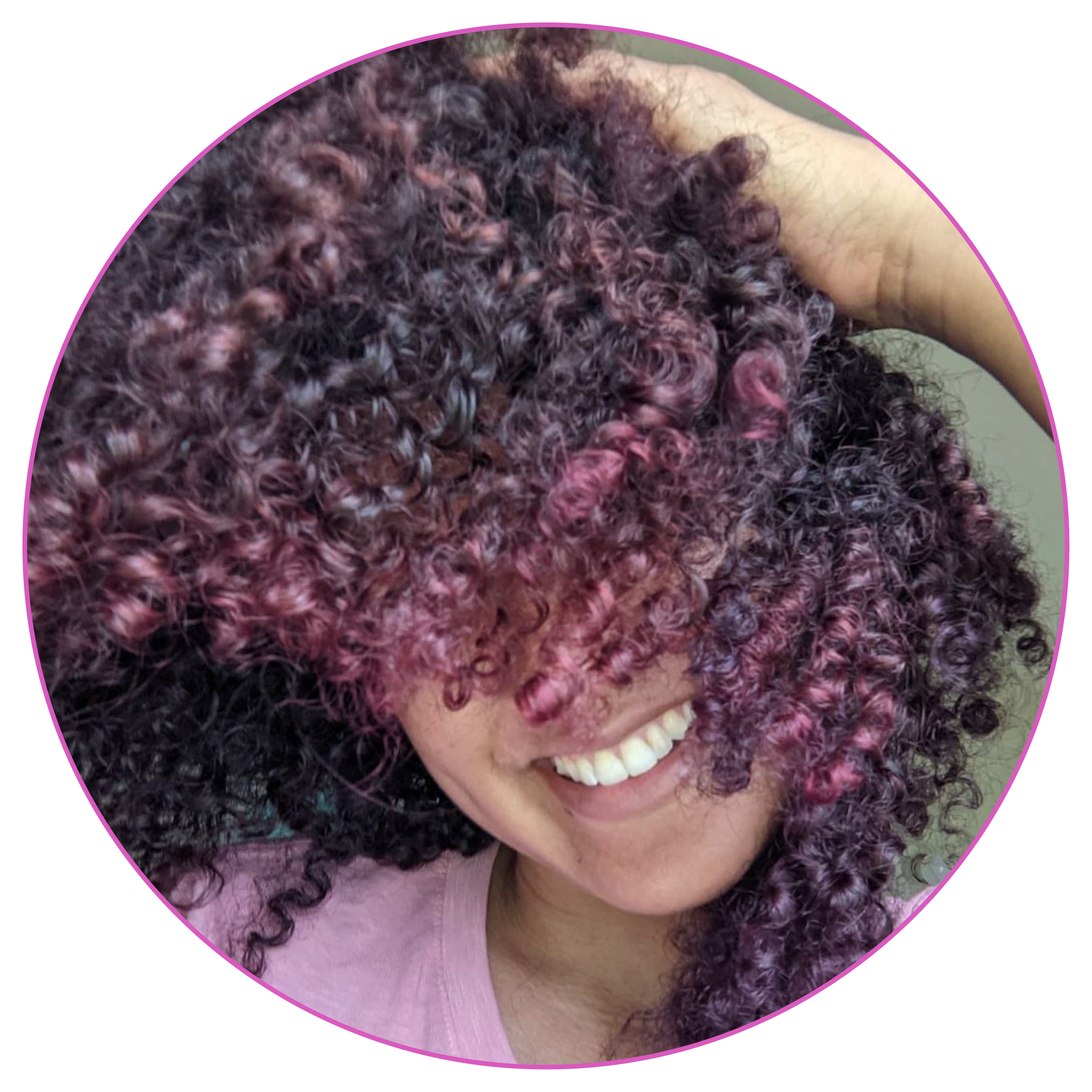
Straight hair often reflects light evenly, making color appear brighter for longer. Curly and textured hair reflects light differently, which can make color appear softer even when pigment is still present.
Texture also influences moisture retention. Hair that dries out more easily may appear to fade faster, even if pigment has not fully washed out. This is why moisture and conditioning are just as important as pigment when maintaining color.
How Does Hair Porosity Change How I Should Maintain Color?
Porosity determines how easily hair absorbs and releases pigment.
High-porosity hair absorbs color quickly but may also release it faster during washing. Low-porosity hair may take longer to show color but often retains it more evenly.
Understanding porosity helps determine how often to refresh color and how aggressive maintenance should be. High-porosity hair benefits from gentle routines and moisture support, while low-porosity hair often needs less frequent pigment reinforcement.
How Often Should I Wash My Hair If I Want My Color to Last?
Wash frequency is one of the biggest levers in color maintenance.
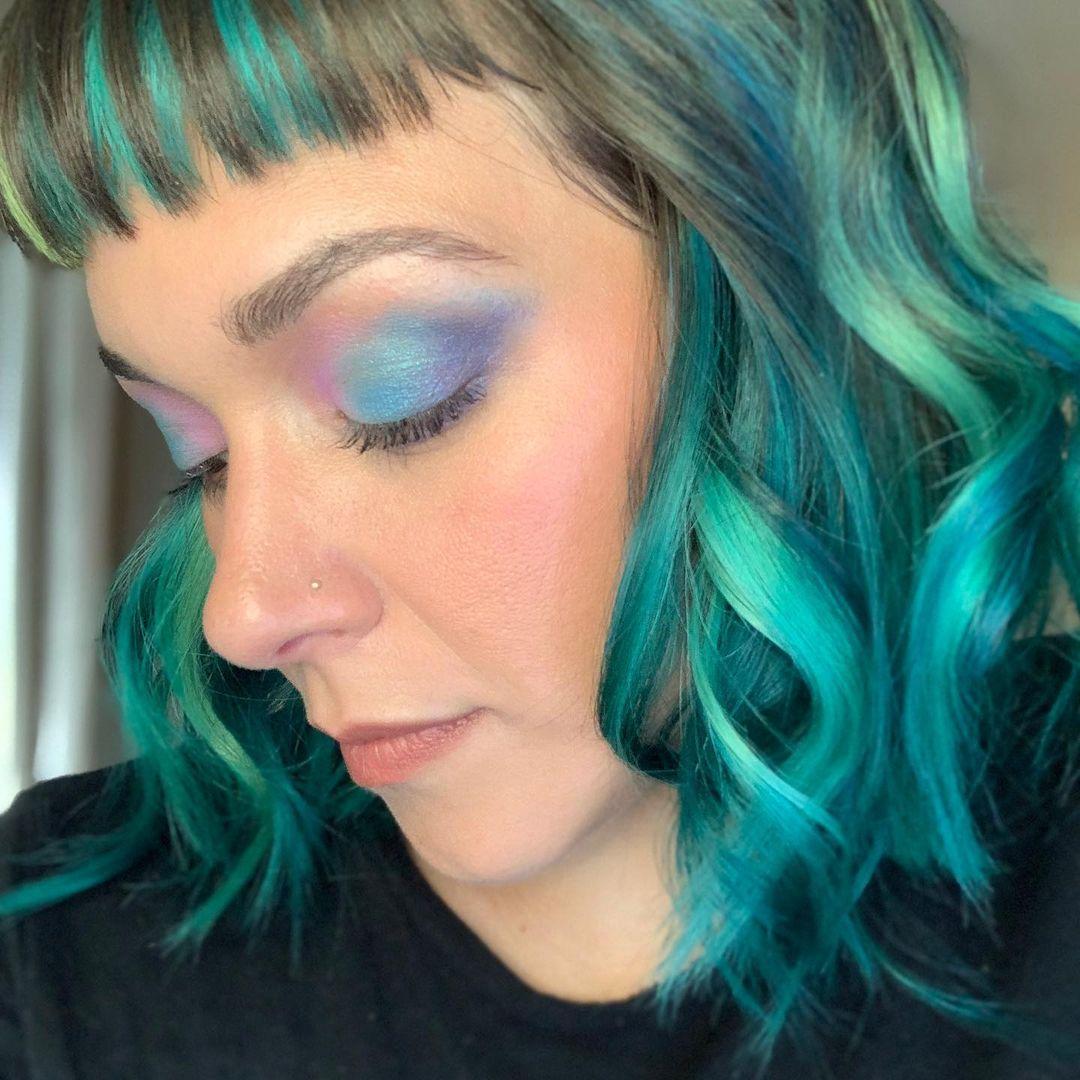
Washing hair less often allows pigment to stay intact longer. Many people with semi-permanent color wash one to three times per week, depending on scalp needs and lifestyle.
When washing is necessary, using lukewarm water instead of hot water helps protect the cuticle and slow fading. This small change can significantly extend color longevity over time.
What Shampoo Should I Use to Maintain Semi-Permanent Color?
Shampoo choice matters more than many people realize.
Gentle, moisturizing shampoos help preserve both pigment and hair health. Harsh cleansers strip oil and open the cuticle aggressively, accelerating fade.
Using a cleanser designed to support moisture balance helps color fade more evenly and keeps hair feeling softer between washes.

How Do I Use a Color-Depositing Daily Conditioner to Maintain Color?
Color-depositing daily conditioners are one of the most effective tools for maintaining semi-permanent color without overdoing it.
Overtone Color Depositing Daily Conditioner
Daily Conditioner works by depositing small amounts of pigment each time it is used. This reinforces tone gradually rather than resetting color completely.
Most people use it every wash or every other wash, depending on how quickly their color fades and how bold they want it to remain. Because the pigment load is lighter, daily conditioners are forgiving and flexible.
How Long Should I Leave the Daily Conditioner On My Hair?
Daily conditioners do not require long processing times.
Leaving the product on for three to five minutes is typically sufficient to maintain tone. Longer times may increase deposit slightly, but daily conditioners are designed for maintenance rather than dramatic change.
Consistency matters more than duration.
When Should I Use a Color-Depositing Treatment Mask Instead?
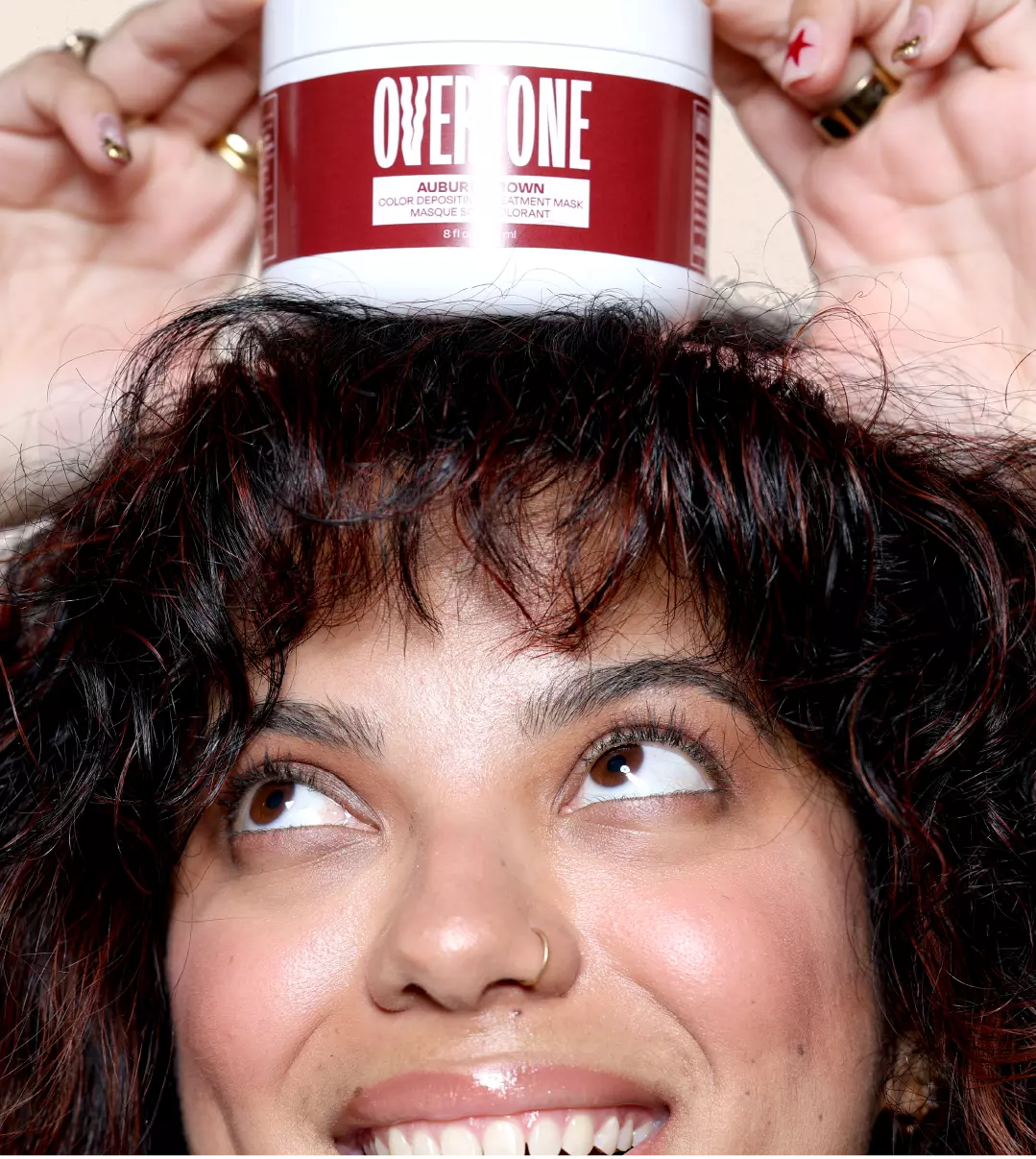
Color-depositing treatment masks are best used when color needs a noticeable refresh rather than routine maintenance.
Overtone Color Depositing Treatment Mask
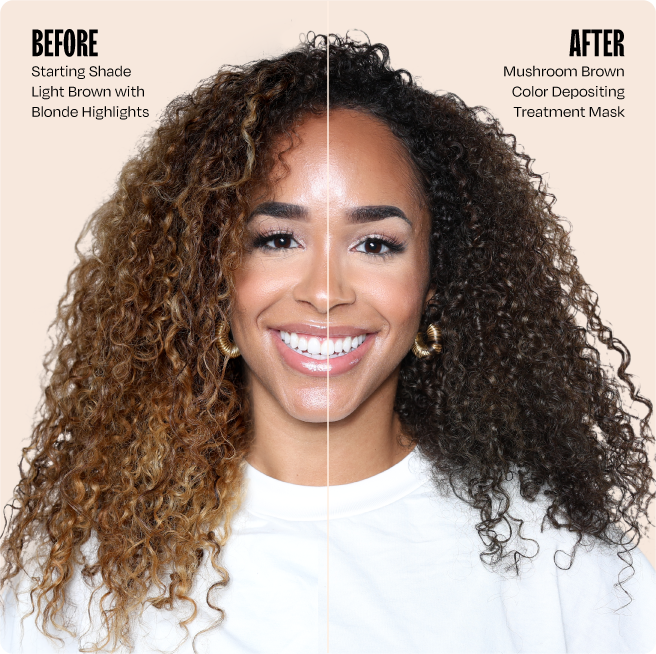
Masks deposit more pigment and provide deeper conditioning than daily conditioners. They are typically used every few weeks, depending on wash frequency and desired vibrancy.
Using a mask too often can deepen color unintentionally, so spacing out applications helps maintain balance.
How Long Should I Leave a Treatment Mask On?
Processing time affects depth.
Many people start with fifteen to twenty minutes and adjust as needed. Up to thirty minutes can be used for deeper saturation, but longer is not always necessary.
Starting conservatively and increasing gradually prevents over-depositing pigment.
How Does Water Temperature Affect Color Maintenance?
Water temperature has a direct impact on color longevity.
Hot water opens the cuticle, allowing pigment to release faster. Lukewarm water cleans effectively while minimizing cuticle disruption. Finishing with cooler water can help smooth the cuticle and improve shine.
This simple habit can extend the life of semi-permanent color significantly.

How Do Heat Styling and Sun Exposure Affect Color?
Heat styling dehydrates the hair surface, increasing friction and dullness. When hair is dry, color appears less vibrant even if pigment is still present.
Sun exposure can also soften color over time, particularly on lighter shades. Protecting hair from excessive heat and sun helps preserve both moisture and color appearance.
Why Does My Color Look Dull Even When It Hasn’t Fully Faded?
Dullness is often mistaken for fading.
When the cuticle is rough or dehydrated, light scatters unevenly, making color appear muted. In these cases, adding more pigment may not solve the issue.
Improving surface condition through conditioning or glossing can restore vibrancy without reapplying color.
How Does Gloss Fit Into a Color Maintenance Routine?
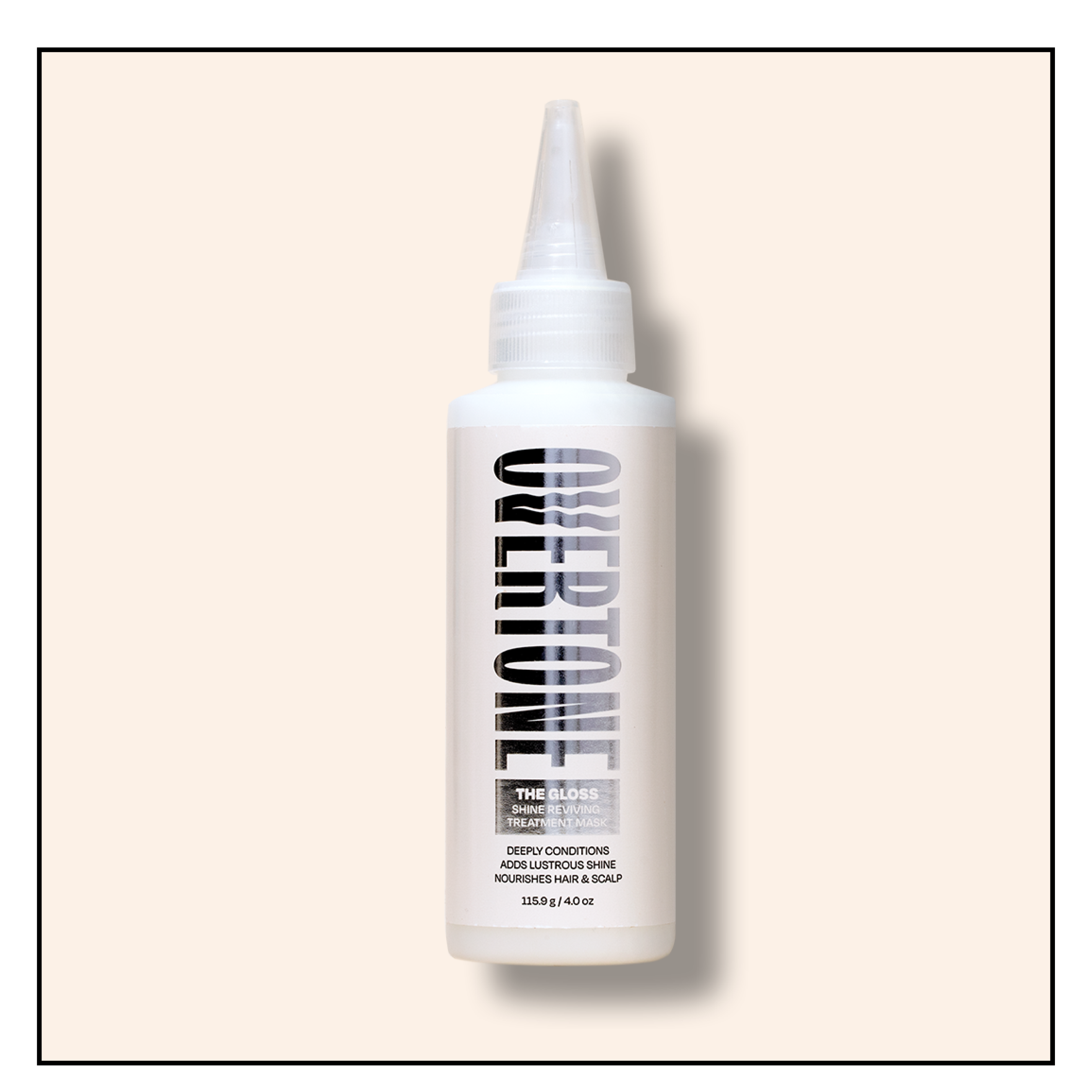
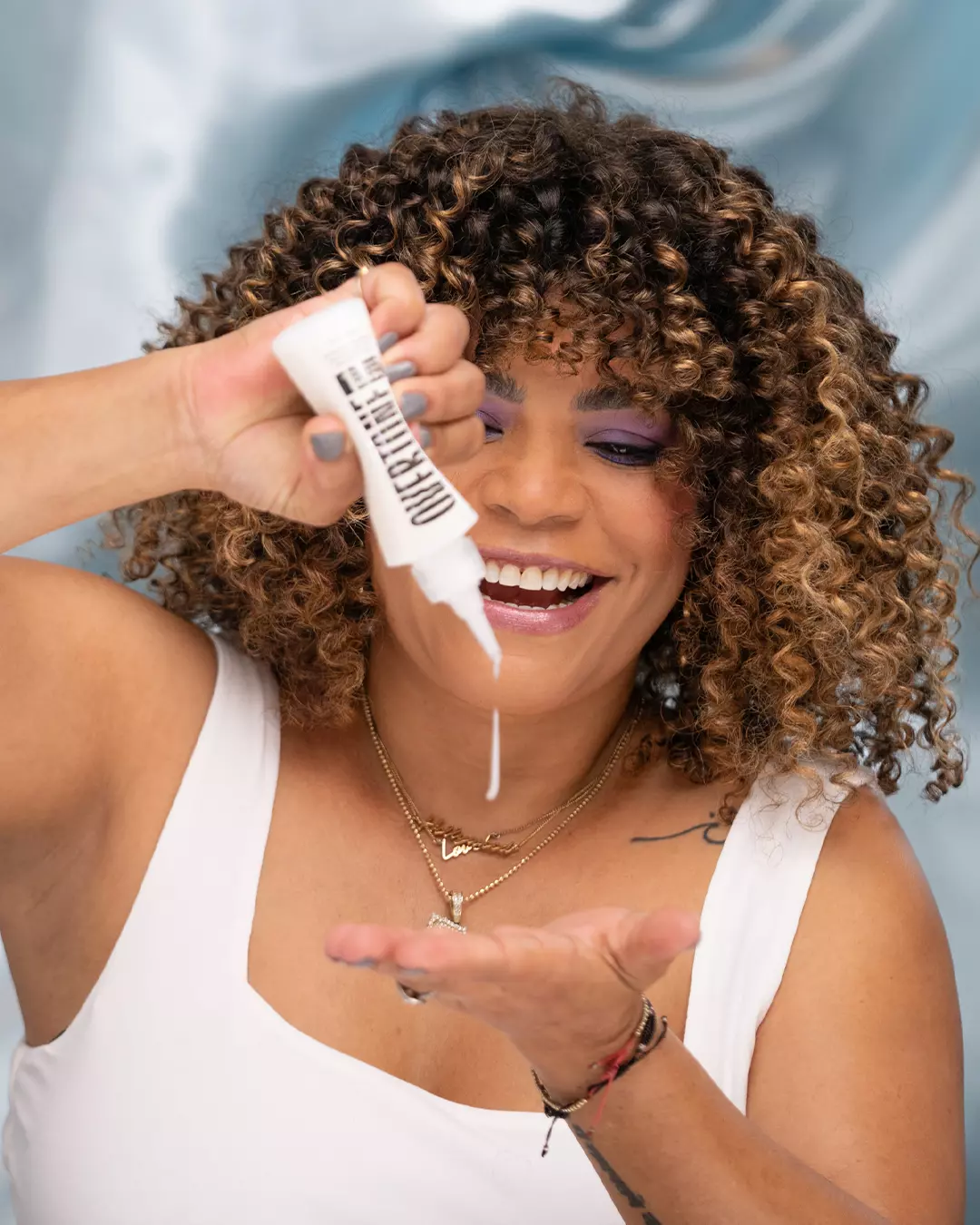
Gloss helps refine the appearance of color rather than change it.
Gloss smooths the cuticle, enhancing shine and making color appear richer and more dimensional. It is especially useful when hair looks flat but does not need additional pigment.
Gloss can be used as needed without disrupting color balance.
How Does Semi-Permanent Color Maintenance Change With the Seasons?
Seasonal changes affect hair behavior.
In warmer months, sun exposure and more frequent washing can soften color faster. In colder months, dry air can roughen the cuticle, making color look dull.
Adjusting routines seasonally helps prevent unnecessary reapplication and keeps color looking intentional year-round.

How Does Gray Hair Affect Semi-Permanent Color Maintenance?
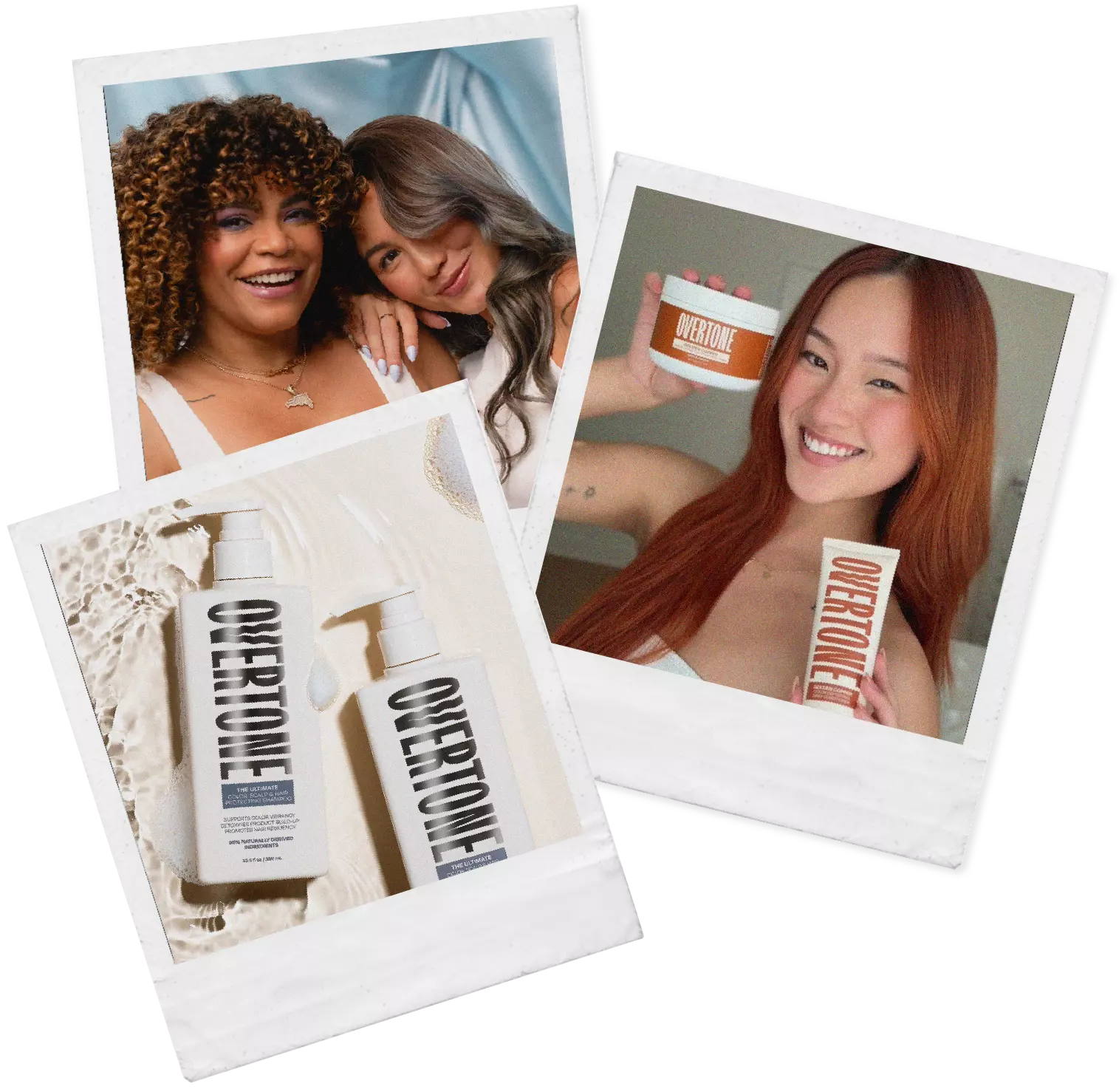
Gray hair tends to be drier and more resistant to pigment.
Semi-permanent color blends gray hair rather than fully covering it. Maintenance often focuses on softness and shine rather than full opacity.
Consistency helps create more even blending over time, but results vary based on texture and starting shade.
How Do I Avoid Overusing Color-Depositing Products?
Overuse often comes from fear of fading.
Signs of overuse include color looking darker than expected, reduced dimension, or hair feeling coated. If this happens, reducing pigment use and focusing on gentle cleansing usually restores balance.
Maintenance works best when it is intentional rather than reactive.

How Can I Tell When It’s Time to Refresh Color?
Rather than relying on a strict schedule, many people refresh color when:
-
Tone looks noticeably softer
-
Dimension feels reduced
-
Daily conditioner is no longer maintaining vibrancy
Listening to how hair looks and feels often produces better results than following rigid timelines.
FREQUENTLY ASKED QUESTION
-
Up to ten washes depending on routine and hair type.
THE TAKEAWAY
Maintaining semi-permanent hair color is not about locking pigment in place. It is about working with how hair naturally behaves.
When routines prioritize gentle cleansing, moisture, and gradual maintenance, color lasts longer and looks better throughout its lifecycle.
Semi-permanent color is designed to evolve. When expectations align with that design, maintenance becomes simple, flexible, and far less stressful.
CHECK OUT OUR MOST POPULAR PRODUCTS

Magenta Majesty Healthy Color Duo

Vivid Violet Healthy Color Duo
