


WHY HAIR COLOR IS BECOMING GENDER-NEUTRAL
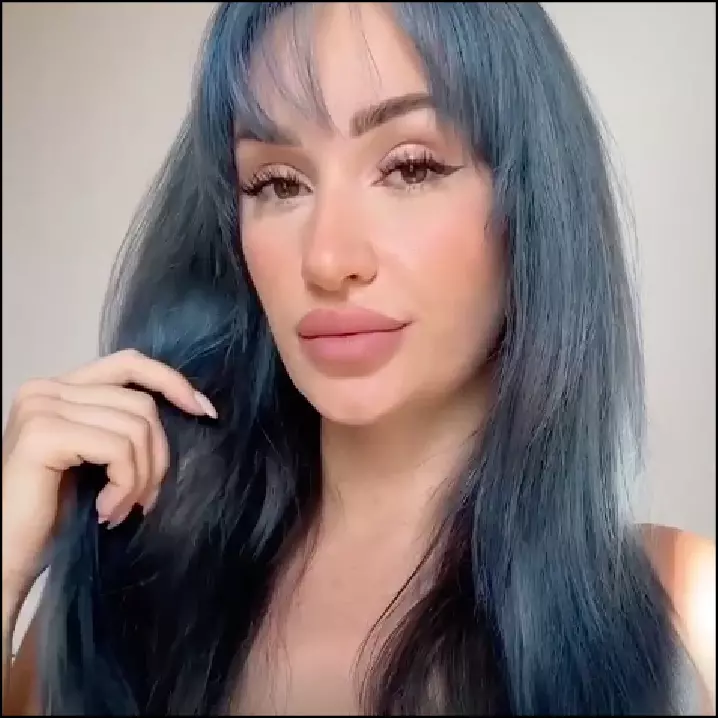
WHY ARE TRADITIONAL HAIR COLOR LABELS DISAPPEARING?
For decades, hair color marketing followed a predictable pattern. Certain shades were presented as feminine while others were positioned as masculine. Soft blondes and rose tones were often marketed toward women, while darker shades were presented as more masculine options.
Those distinctions are quickly disappearing.
Modern beauty culture increasingly views hair color as a form of personal expression rather than something tied to traditional identity categories. Instead of choosing shades based on outdated labels, people are selecting colors that reflect their personality, creativity, and aesthetic.
This shift has opened the door for a much broader range of color experimentation.
A vivid purple shade might appear on a short haircut. A silver tone might enhance natural gray hair regardless of gender. A copper glow might be worn in a sleek style or textured curls.
The meaning of color has become far more fluid.
Hair color is no longer about fitting into a category. It is about expressing individuality.
WHY SELF-EXPRESSION IS DRIVING HAIR COLOR TRENDS
One of the biggest forces behind the gender-neutral hair movement is the idea that beauty should reflect individuality rather than expectation.
People are increasingly comfortable exploring styles that feel authentic to them. This includes clothing, makeup, and hair color.
Hair has always been one of the most visible ways to express personality. Color amplifies that expression by allowing individuals to experiment with tone, contrast, and visual impact.
Deep jewel tones like plum or violet can feel dramatic and artistic. Metallic silvers can feel sleek and modern. Warm copper tones can feel vibrant and energetic.
These shades no longer belong to a specific audience.
They belong to anyone who feels inspired by them.
One shade that has become particularly popular because of its versatility is Royal Plum.
👉 [Royal Plum Color Depositing Treatment Mask]
Royal Plum creates rich violet dimension that works across many hair textures and lengths. On lighter hair the shade appears vibrant and jewel toned. On darker bases it introduces subtle purple undertones that catch the light.
Because the color adapts to the natural base, the result often feels personal rather than uniform.
WHY SILVER HAIR IS ONE OF THE MOST INCLUSIVE COLOR TRENDS
Silver hair is another example of how color trends are becoming more inclusive.
For years, silver hair was associated almost exclusively with aging. Many people felt pressure to cover natural gray strands as quickly as possible.
That perspective is changing.
Today, silver and gray tones are increasingly celebrated as part of modern beauty. Some people enhance their natural gray hair with silver pigments, while others experiment with metallic shades regardless of their natural hair color.
The result is a spectrum of silver tones that feel sophisticated and expressive.
Silver shades can appear sleek and reflective on lighter bases while creating smoky undertones on deeper hair colors.
When paired with healthy shine, these tones often look polished and intentional rather than dull.
The popularity of silver hair illustrates how beauty standards continue to evolve toward greater inclusivity.
WHY BLUE AND PURPLE SHADES HAVE BECOME UNIVERSAL COLORS
Fantasy colors such as blue and purple were once considered niche styles associated with alternative subcultures. Today these shades have become far more mainstream.
Part of their appeal is that they feel expressive without belonging to a specific category of identity.
A deep navy shade can appear elegant and understated. A vibrant cobalt blue can feel energetic and creative.
👉 [Blue Collection]
Blue tones often create striking contrast against natural hair colors, particularly when placed in panels or streaks that appear during movement.
Similarly, purple shades can shift between dramatic and subtle depending on the base color of the hair.
These tones allow individuals to experiment with color while still maintaining flexibility in their style.
The versatility of these shades is one of the reasons they have become so widely embraced.
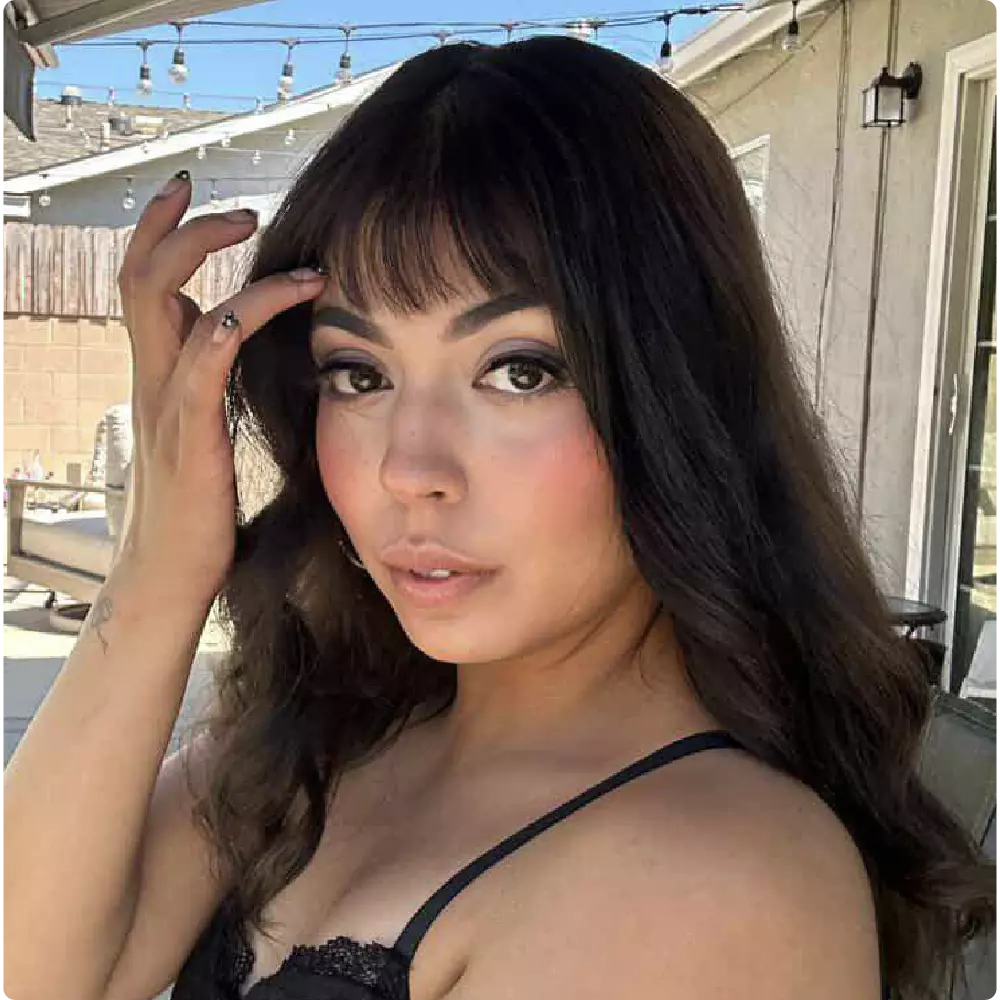
WHY HAIR TEXTURE AND LENGTH NO LONGER LIMIT COLOR CHOICES
Another important part of the gender-neutral hair movement is the growing recognition that color works across many hair textures and styles.
For a long time, certain color trends were associated with specific hairstyles or hair types. Today those boundaries are fading.
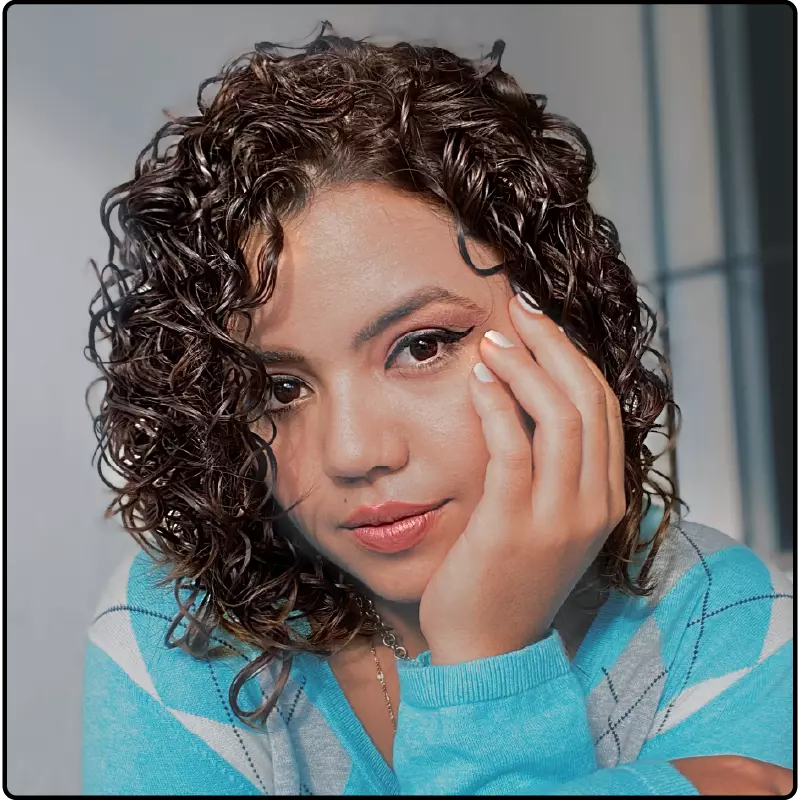
Short cuts can carry bold pigment just as beautifully as long hair. Curly textures can reveal dimensional color through movement. Straight hair can display sleek, reflective tones.
Because conditioning pigments interact with the natural structure of the hair, the final result often feels unique to the individual.
👉 [Color Depositing Treatment Masks]
These masks deposit pigment gradually while maintaining hydration, which helps preserve curl definition and shine across different hair textures.
Color becomes something that adapts to the hair rather than forcing the hair to adapt to the color.
WHY HEALTHY HAIR SUPPORTS EXPRESSIVE COLOR
Another reason conditioning pigment systems are becoming more popular is that they support hair health alongside color expression.
Traditional color routines sometimes require repeated chemical processing that can weaken the hair structure over time.
Conditioning pigment approaches work differently.
Instead of stripping the hair and recoloring it repeatedly, pigment is layered gradually through hydrating formulas.
This allows people to experiment with different shades while maintaining softness and elasticity in the hair.
Healthy hair tends to display color more beautifully.
Hydrated strands reflect light more evenly, which allows pigment to appear richer and more dimensional.
Supporting hair health is therefore an important part of maintaining expressive color.
WHY HAIR COLOR IS BECOMING A FORM OF CREATIVE IDENTITY
Hair color has always been a visual signal. In earlier decades it often reflected trends, cultural movements, or subcultures.
Today it increasingly reflects individual identity.
Some people choose color to express creativity. Others use it to highlight natural features or enhance personal style.
The key difference is that color is no longer restricted by expectations about who should wear which shade.
A silver tone can feel powerful and modern. A plum shade can feel artistic and bold. A copper glow can feel warm and vibrant.
These choices are no longer categorized by gender.
They are simply expressions of style.
HOW HAIR COLOR BECAME ONE OF THE MOST VISIBLE FORMS OF PERSONAL IDENTITY
Hair has always played a role in how people communicate identity. Long before modern beauty brands existed, people used hairstyles, dyes, and adornments to signal belonging, creativity, or cultural expression.
Color adds another dimension to that communication.
Unlike clothing or makeup, hair color stays with a person throughout the day. It becomes part of their visual identity in every environment, from professional spaces to social gatherings.
Because of this visibility, the meaning of hair color has evolved alongside broader conversations about identity and individuality.
Today many people choose hair color not because it fits a certain expectation, but because it reflects a feeling, mood, or aesthetic they want to embody.
A metallic silver shade might communicate modern confidence. A deep violet tone might feel artistic and bold. A copper glow might feel warm and vibrant.
These choices often have little to do with gender categories. They are personal decisions shaped by style, creativity, and emotional connection to color.
That shift in perspective is one of the reasons hair color is becoming increasingly fluid.
WHY SHORT HAIRCUTS AND BOLD COLOR ARE APPEARING TOGETHER
Another interesting development in the gender-neutral hair movement is the growing popularity of bold color on shorter hairstyles.
For many years vivid color was associated primarily with longer hair, where pigment could create dramatic gradients or ombré effects. Today stylists are applying expressive shades to shorter cuts as well.
Short haircuts provide a strong structure that can highlight color placement.
A deep plum tone across a textured crop can appear striking and modern. A silver tone across a sleek undercut can look architectural and refined.
Because shorter styles reveal the natural shape of the haircut, color often appears more graphic and intentional.
Royal Plum is a shade that works particularly well in this context.
👉 [Royal Plum Color Depositing Treatment Mask]
On short haircuts the pigment creates depth that becomes visible with movement and light reflection. The result feels expressive but still sophisticated.
This combination of bold color and strong haircut structure is becoming a defining element of contemporary hair styling.
WHY METALLIC SHADES CONTINUE TO GAIN POPULARITY
Metallic tones are another category that reflects the evolution toward inclusive color trends.
Silver, steel, and smoky gray shades have moved beyond traditional expectations associated with aging hair. Instead, they are now viewed as modern, intentional color choices.
Many people enhance their natural gray hair with metallic pigments to create a more luminous finish. Others experiment with silver tones even when their natural hair contains no gray at all.
Silver shades interact with light in a unique way. When the hair surface is smooth and hydrated, metallic pigments create a reflective effect that gives the hair depth and movement.
This reflective quality is one of the reasons metallic colors appear both futuristic and timeless.
They feel bold without appearing overly dramatic.
The growing popularity of these shades illustrates how hair color trends are expanding beyond traditional categories.
WHY COLOR PLACEMENT ALLOWS FOR MORE CREATIVE FREEDOM
As hair color becomes more inclusive, placement techniques are also evolving.
Instead of applying pigment evenly across the entire head, many stylists are experimenting with sections that create contrast and dimension.
Panels of color hidden beneath natural hair allow bold shades to appear only during movement. Face-framing pieces introduce pigment around the front of the haircut without dominating the entire style.
These techniques allow people to explore expressive shades without fully transforming their appearance.
Blue tones are particularly effective when used in these placements.
👉 [Blue Collection]
A deep blue panel beneath darker hair can create an unexpected flash of color that appears only when the hair moves. This subtle reveal often feels artistic rather than overwhelming.
Because the pigment is concentrated in specific areas, maintenance can remain relatively simple.
Placement techniques like these help make expressive color more accessible.
WHY HEALTHY HAIR MAKES EXPRESSIVE COLOR LOOK MORE POWERFUL
One of the most important elements behind any successful color transformation is hair health.
Expressive shades often appear most beautiful when the hair is hydrated and reflective. Smooth strands allow light to interact evenly with pigment, revealing subtle shifts in tone.
When hair becomes dry or damaged, even vibrant pigment can appear dull.
Conditioning pigment formulas help support both color and hair health at the same time.
👉 [Color Depositing Treatment Masks]
These treatments deliver color through hydrating bases that soften the hair and reinforce moisture levels. Because the formula conditions while depositing pigment, the hair often becomes smoother and more reflective with continued use.
This hydration allows colors like silver, plum, and blue to display their full depth.
Healthy hair becomes the canvas that allows expressive color to shine.
WHY INCLUSIVE BEAUTY IS SHAPING THE FUTURE OF HAIR COLOR
The movement toward gender-neutral hair color is part of a broader transformation within the beauty industry.
Consumers increasingly expect brands to reflect diverse identities and experiences. Rather than defining who a product is meant for, brands are focusing on how products enable creativity and self-expression.
Hair color fits naturally into this philosophy.
Pigment becomes a tool for storytelling rather than a label that assigns meaning.
Someone may choose silver because it feels sleek and modern. Someone else may choose plum because it reflects their artistic personality. Another person may experiment with blue simply because it feels exciting.
Each choice represents a personal relationship with color.
The growing popularity of inclusive hair color trends shows that people are embracing this freedom.
Hair color is no longer confined to categories.
It is becoming one of the most dynamic ways individuals can express who they are and how they want to be seen.
WHY THE FUTURE OF HAIR COLOR IS INCLUSIVE
The beauty industry continues to move toward greater inclusivity in many areas, from shade ranges in cosmetics to representation in marketing campaigns.
Hair color is part of this transformation.
Brands are increasingly recognizing that color belongs to everyone. Shades are being presented as tools for creativity rather than labels that define who should wear them.
This perspective allows people to explore color in ways that feel authentic.
Overtone’s approach to conditioning pigment aligns naturally with this evolution.
By delivering color through hydrating treatments rather than harsh dye systems, the brand supports experimentation while maintaining hair health.
Color becomes an invitation to explore.
Anyone can wear silver. Anyone can try plum. Anyone can experiment with blue.
Hair color is no longer about fitting into categories.
It is about discovering which shades make you feel most like yourself.
CHECK OUT OUR MOST POPULAR PRODUCTS

Royal Plum Healthy Color Duo

Magenta Majesty Healthy Color Duo
