


DOES HAIR COLOR DAMAGE HAIR OR DOES DAMAGE COME FROM HOW IT’S USED?
WHY IS HAIR COLOR USUALLY BLAMED WHEN HAIR STARTS TO FEEL DAMAGED?
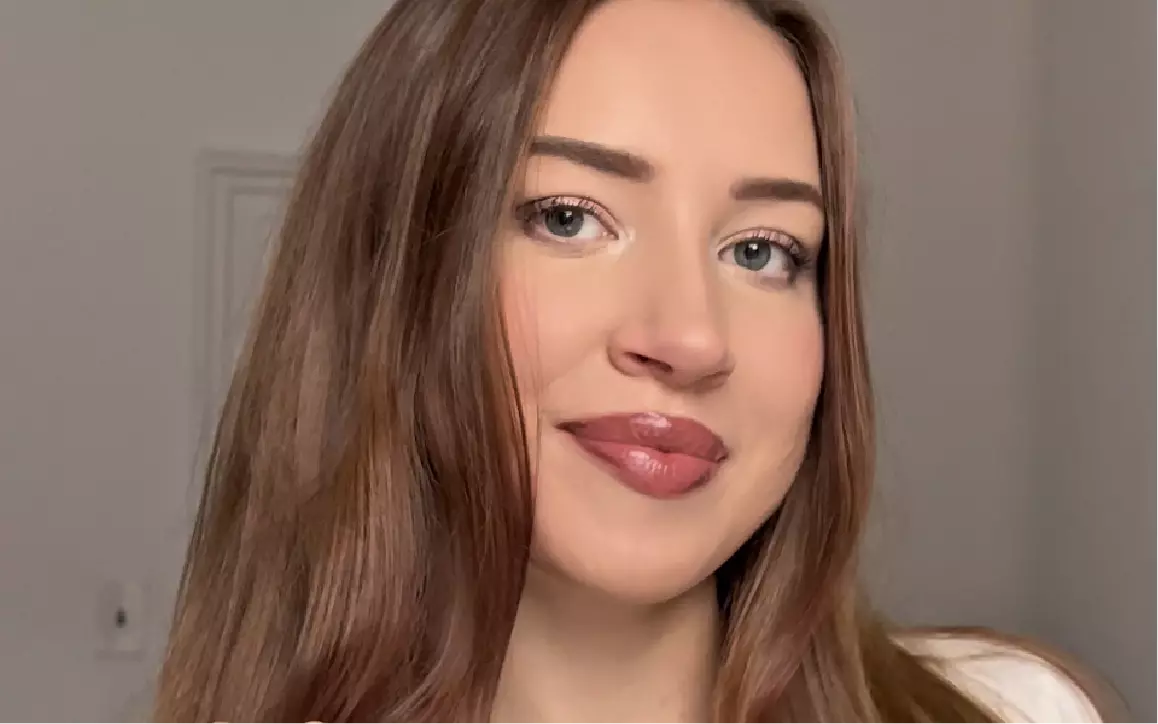
When hair becomes dry, brittle, or prone to breakage, hair color is often the first thing people blame. This reaction is understandable. Color is one of the most noticeable changes we make to our hair, so it feels like the most obvious cause when something goes wrong.
But hair damage rarely happens overnight. It builds slowly through habits, routines, and repeated stress. In many cases, color is only one piece of a much larger picture.
Understanding where damage truly comes from helps people make better choices and avoid unnecessary fear around coloring their hair.
IS HAIR COLOR ITSELF INHERENTLY DAMAGING?
Hair color is not a single category. Different types of color behave in very different ways.
Some color systems permanently alter the internal structure of the hair. Others sit on the surface and fade gradually. Some rely on harsh chemical reactions. Others use conditioning bases to deliver pigment more gently.
Because the word “hair color” is used to describe all of these systems, it’s easy to assume they all cause damage in the same way. In reality, damage depends far more on the type of color and how it’s used than on the act of coloring itself.
WHAT ACTUALLY CAUSES DAMAGE IN COLOR-TREATED HAIR?
Damage usually comes from accumulated stress, not from one product or one moment.
The most common contributors include:
-
Repeated cuticle disruption
-
Overlapping color applications
-
Lack of moisture and conditioning
-
Excessive heat styling
-
Aggressive cleansing habits
-
Ignoring scalp health
When these factors stack on top of each other, hair begins to lose elasticity and strength. Color becomes associated with damage, even when it’s not the root cause.
WHY PERMANENT DYE OFTEN GETS A REPUTATION FOR DAMAGE
Permanent hair dye works by opening the cuticle and changing the internal structure of the hair so pigment can stay locked in.
This process is effective, but it is also inherently stressful. Each application compounds the last, especially when color is applied repeatedly to the same areas. Over time, hair may feel weaker, drier, or more prone to breakage.
Permanent dye is not “bad,” but it requires careful spacing, targeted application, and strong aftercare to avoid long-term issues.
HOW SEMI-PERMANENT COLOR BEHAVES DIFFERENTLY
Semi-permanent color works on the surface of the hair rather than inside it.
Instead of permanently altering structure, it coats the hair with pigment that gradually washes away. This approach allows color to fade naturally without creating harsh regrowth lines or requiring aggressive correction.
Because the hair’s internal structure is left intact, semi-permanent color generally places less stress on the strand when used appropriately.
WHY FORMULATION MATTERS MORE THAN PIGMENT ALONE
Pigment itself does not automatically damage hair. The vehicle used to deliver that pigment matters just as much.
Some formulas rely on drying solvents or aggressive ingredients to force pigment onto the hair. Others use conditioning bases that support moisture and slip. Conditioner-based color systems are designed to color while caring for the hair, which changes how hair feels both immediately and over time.
HOW CONDITIONING COLOR CHANGES THE DAMAGE CONVERSATION
Conditioning color shifts the focus from forcing results to supporting hair health.
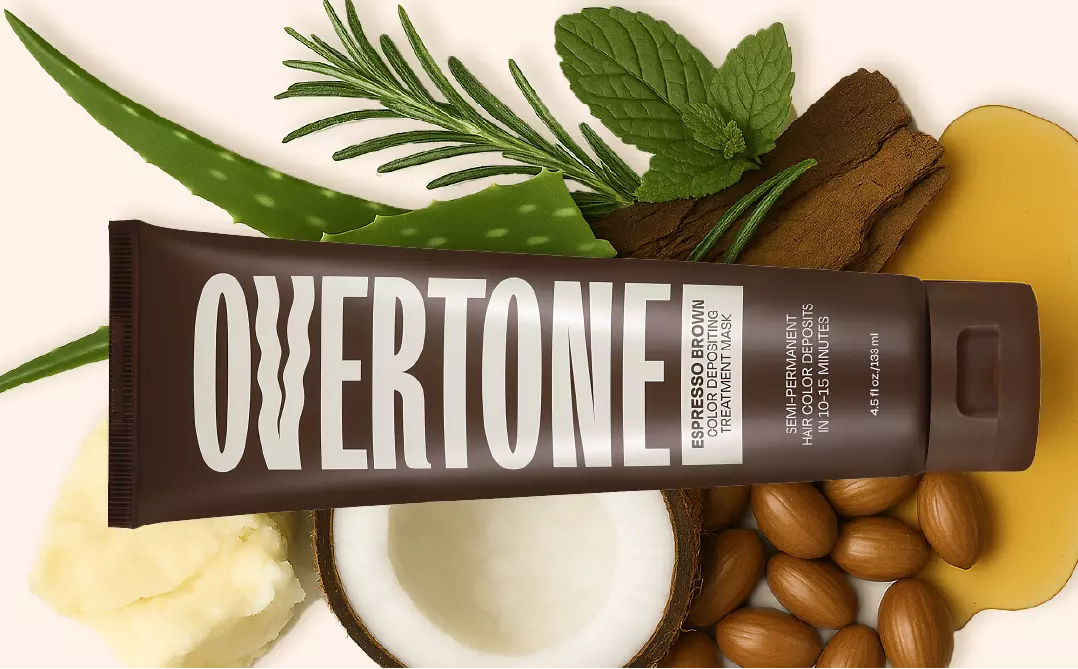
Overtone Color Depositing Treatment Mask delivers pigment alongside deep conditioning ingredients. Instead of stripping moisture, they help replenish it.
This approach reduces friction, supports elasticity, and helps hair withstand everyday stressors more effectively.
DOES FREQUENCY MATTER MORE THAN FORMULA?
Frequency matters, but it matters differently depending on the product.
Using a harsh product infrequently can be more damaging than using a gentle product regularly. Damage is about cumulative stress, not just how often color touches the hair. Conditioning color systems are designed for flexibility, allowing people to maintain color without compounding damage.
HOW OVERUSE CREATES PROBLEMS EVEN WITH GENTLE COLOR
Even gentle systems can be misused.
Overuse typically looks like:
-
Applying high-pigment products too often
-
Layering color unnecessarily
-
Ignoring signs that hair needs moisture instead of pigment
These issues don’t usually indicate damage. They indicate imbalance. Adjusting frequency often restores softness and dimension quickly.
WHY MAINTENANCE HABITS PLAY A BIGGER ROLE THAN COLOR CHOICE
Maintenance habits often cause more damage than color itself.
Over-washing, using very hot water, skipping conditioner, and excessive heat styling all weaken the hair over time. When color is layered into an already stressful routine, it becomes the visible scapegoat. Building supportive habits reduces damage regardless of color choice.
HOW DAILY MAINTENANCE PREVENTS LONG-TERM ISSUES
Daily maintenance keeps stress from accumulating.
Using Overtone Color Depositing Daily Conditioner reinforces tone while conditioning the hair during normal wash days. This reduces the need for frequent full color applications and supports overall hair health.
Maintenance spreads pigment and care evenly instead of concentrating stress in one moment.
WHY PEOPLE CONFUSE DRYNESS WITH DAMAGE
Dryness and damage are often mistaken for each other.
Hair can feel dry without being structurally damaged. Dry hair lacks moisture, while damaged hair lacks strength. The solutions are different. Conditioning and moisture often restore softness quickly, while true damage requires time and gentler handling.
HOW MOISTURE SUPPORTS ELASTICITY AND STRENGTH
Elasticity allows hair to bend rather than snap.
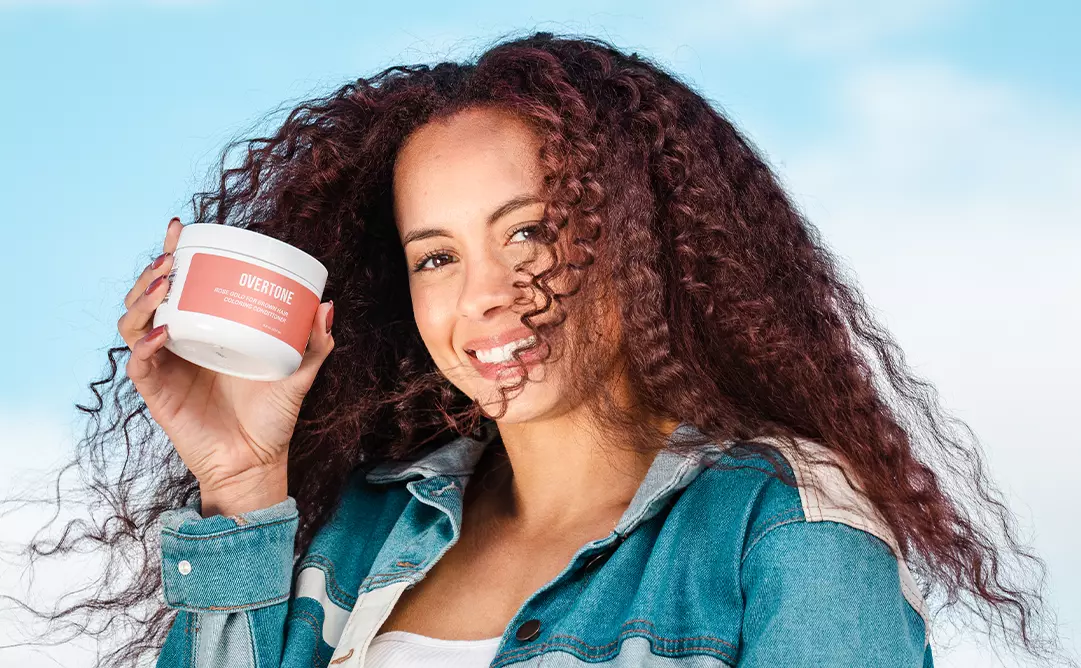
When hair is well-conditioned, it can stretch and return to shape. This reduces breakage during brushing, styling, and washing. Conditioning color systems support elasticity by replenishing moisture instead of stripping it.
WHY SHINE IS A SIGNAL OF HEALTHY HAIR
Shine is not just cosmetic. It indicates a smooth cuticle.
Hair with a smooth cuticle reflects light evenly, looks healthier, and resists friction. Rough cuticles scatter light and increase breakage risk. This is why shine support matters in color-treated hair.
HOW GLOSS HELPS PROTECT HAIR WITHOUT ADDING STRESS
The Gloss enhances shine by smoothing the hair surface without adding pigment. This allows hair to look healthier without increasing color load. Gloss is especially helpful when hair looks dull but does not need more color.
HOW SCALP HEALTH INFLUENCES HAIR DAMAGE
Healthy hair starts at the scalp.
Poor scalp health can lead to dryness, irritation, and weaker hair growth. Over time, this affects how hair responds to color and styling. Supporting the scalp helps hair grow stronger and more resilient.
WHY SCALP CARE BELONGS IN COLOR ROUTINES
Many color routines ignore the scalp entirely.
Including treatments like The Revitalizer supports scalp comfort and hair repair, creating a better foundation for color-treated hair. Scalp care reduces one of the hidden contributors to long-term damage.
HOW DIFFERENT HAIR TYPES EXPERIENCE DAMAGE DIFFERENTLY
Fine hair shows damage faster because it has less structural support. Coarse hair may hide damage longer but can become brittle if moisture is neglected. Curly and textured hair are more prone to dryness due to their shape.
Damage is not equal across hair types. Neither is prevention. Routine adjustments should account for texture, density, and porosity.
WHY OVERLAPPING APPLICATIONS CAUSE MORE HARM THAN COLOR ITSELF
Applying color repeatedly to the same sections compounds stress.
Overlapping is a common cause of breakage, especially with permanent dye. Semi-permanent systems reduce this risk because they fade gradually and allow for more targeted maintenance. Understanding where and how often color is applied makes a significant difference.
HOW EMOTIONAL HABITS CONTRIBUTE TO HAIR DAMAGE
Stress leads to overcorrection.
When people panic about fading or dullness, they often reach for stronger solutions than necessary. This creates unnecessary stress on the hair. Routine-based care replaces panic with clarity.
WHY PREDICTABILITY REDUCES DAMAGE OVER TIME
Predictability allows for gentler decisions.
When people understand how their color will fade and how to maintain it, they stop reacting impulsively. This reduces unnecessary applications and stress. Predictable systems support healthier hair long term.
WHAT A DAMAGE-CONSCIOUS COLOR ROUTINE LOOKS LIKE
A balanced routine often includes:
-
Overtone Color Depositing Daily Conditioner for maintenance.
-
Overtone Color Depositing Treatment Mask for intentional refresh.
-
The Gloss for shine and cuticle support.
-
The Revitalizer for scalp health and repair.
Each step reduces stress rather than adding it.
WHY DAMAGE IS ABOUT SYSTEMS, NOT SINGLE PRODUCTS
Hair damage is rarely caused by one product.
It comes from systems that prioritize results over support. Systems that ignore recovery. Systems that rely on correction instead of maintenance. Switching to supportive systems changes outcomes over time.
HOW UNDERSTANDING DAMAGE EMPOWERS BETTER CHOICES
When people understand what actually causes damage, they stop fearing color and start managing it intelligently.
Color becomes a tool rather than a threat. Hair health becomes something that’s supported, not sacrificed. Knowledge replaces anxiety.
THE TAKEAWAY
Hair color itself is not the villain.
Damage comes from how color is used, how routines are structured, and how hair is cared for between applications. Conditioning, maintenance, scalp health, and predictability all matter more than pigment alone.
When color is supported by thoughtful routines, it can coexist with healthy, resilient hair.
CHECK OUT OUR MOST POPULAR PRODUCTS

Magenta Majesty Healthy Color Duo

Vivid Violet Healthy Color Duo
