


CAN SEMI-PERMANENT HAIR COLOR DAMAGE YOUR HAIR?
THE QUESTION ALMOST EVERYONE ASKS BEFORE COLORING
Before someone applies color at home, they usually ask one question quietly to themselves.
Will this damage my hair?
This question comes up whether someone is going bold for the first time, refreshing an existing shade, or just trying to enhance their natural color. It also comes up because many people have past experiences with hair color that felt drying, weakening, or irreversible.
The truth is more nuanced than a simple yes or no.
Semi-permanent hair color behaves very differently from permanent dye, and most hair damage attributed to “color” does not come from color itself. It comes from how hair is treated before, during, and after.
This article breaks down what damage actually means, what causes breakage, and where semi-permanent color fits into healthy hair care.
WHAT DO PEOPLE MEAN WHEN THEY SAY “DAMAGE”?
When people talk about hair damage, they are usually describing one of these things:
-
Hair breaking easily
-
Hair feeling rough or straw-like
-
Loss of elasticity
-
Split ends appearing quickly
-
Hair looking dull or thin over time
Damage is not one single condition. It is a pattern of stress that weakens the hair fiber.
Importantly, hair does not suddenly become damaged from one product. Damage is cumulative.

HOW DOES SEMI-PERMANENT HAIR COLOR WORKS DIFFERENTLY?
Semi-permanent hair color deposits pigment on the outside of the hair rather than altering its internal structure.
This means it:
-
Does not permanently open the cuticle
-
Does not rely on ammonia or peroxide
-
Does not lift your natural hair color
-
Fades gradually over time
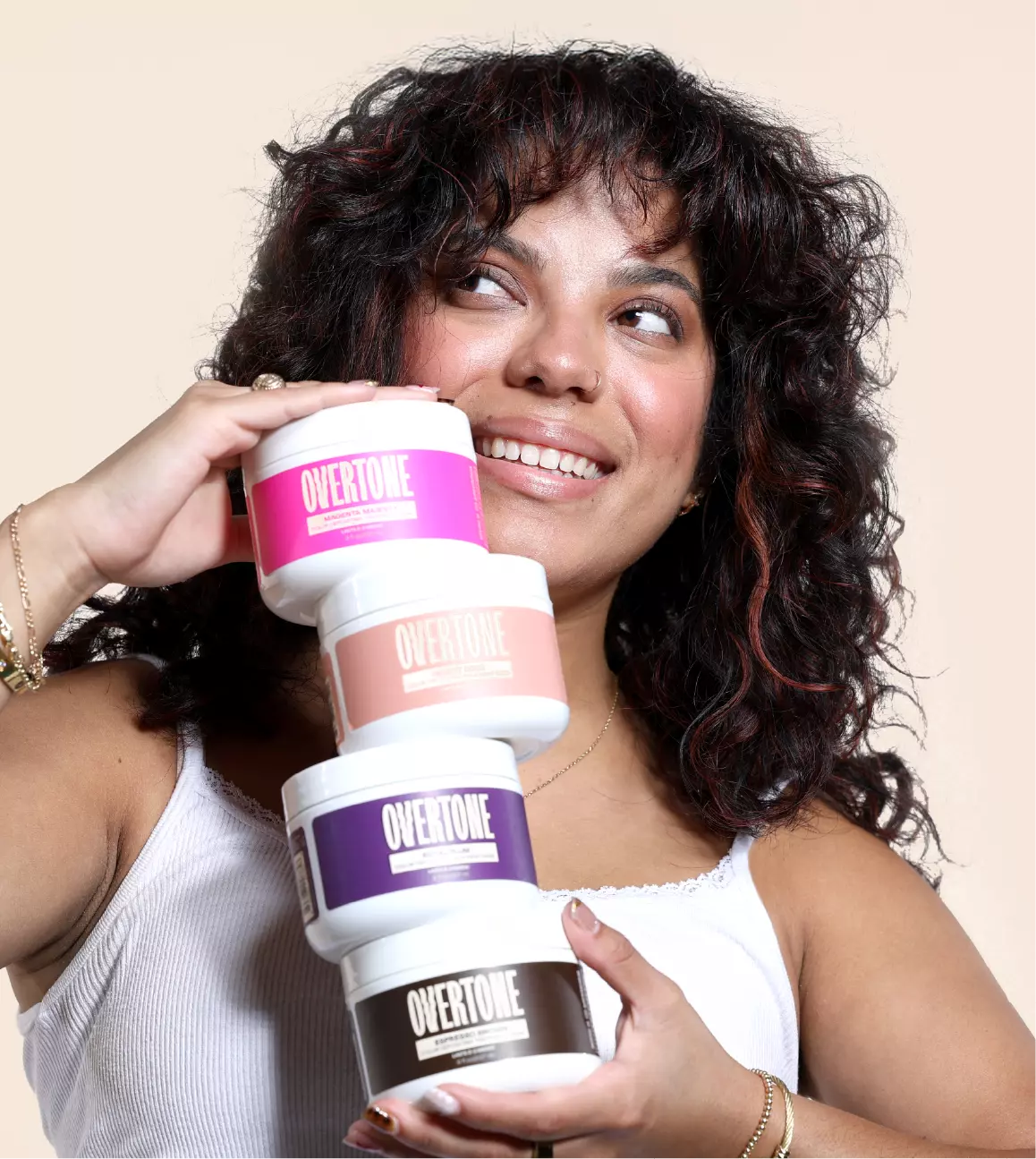
Products like Overtone Color Depositing Treatment Mask are designed to condition the hair while depositing pigment, rather than forcing color into the strand. Because of this, semi-permanent color on its own is not a primary source of structural damage.
IF SEMI-PERMANENT COLOR IS GENTLE, WHY DOES HAIR SOMETIMES FEEL WORSE AFTER COLORING?
This is where context matters.
Hair can feel worse after coloring if:
-
It was already dry or compromised
-
It was washed aggressively before or after
-
It was over-manipulated during application
-
It was heat-styled heavily right after coloring
-
It was not supported with conditioning between color sessions
Color often reveals existing issues rather than causing them.

WHAT ARE THE REAL CAUSES OF HAIR BREAKAGE?
To understand whether color damages hair, it helps to understand what actually causes breakage.
Mechanical Stress
Brushing aggressively, detangling dry hair, or handling wet hair roughly all contribute to breakage.
Heat Styling
Flat irons, curling irons, and blow dryers weaken hair over time, especially without protection.
Over-Washing
Frequent washing strips natural oils and increases friction, making hair more prone to snapping.
Chemical History
Bleaching, relaxing, perming, or repeated permanent dyeing change hair structure permanently.
Dryness and Lack of Elasticity
Dry hair does not bend well. When hair cannot stretch, it breaks instead.
Most hair damage blamed on color comes from one or more of these factors layered together.
WHERE DOES SEMI-PERMANENT COLOR FITS INTO THIS PICTURE?
Semi-permanent color does not usually add structural stress. In fact, when used correctly, it can reduce some sources of breakage by improving slip, softness, and moisture balance.
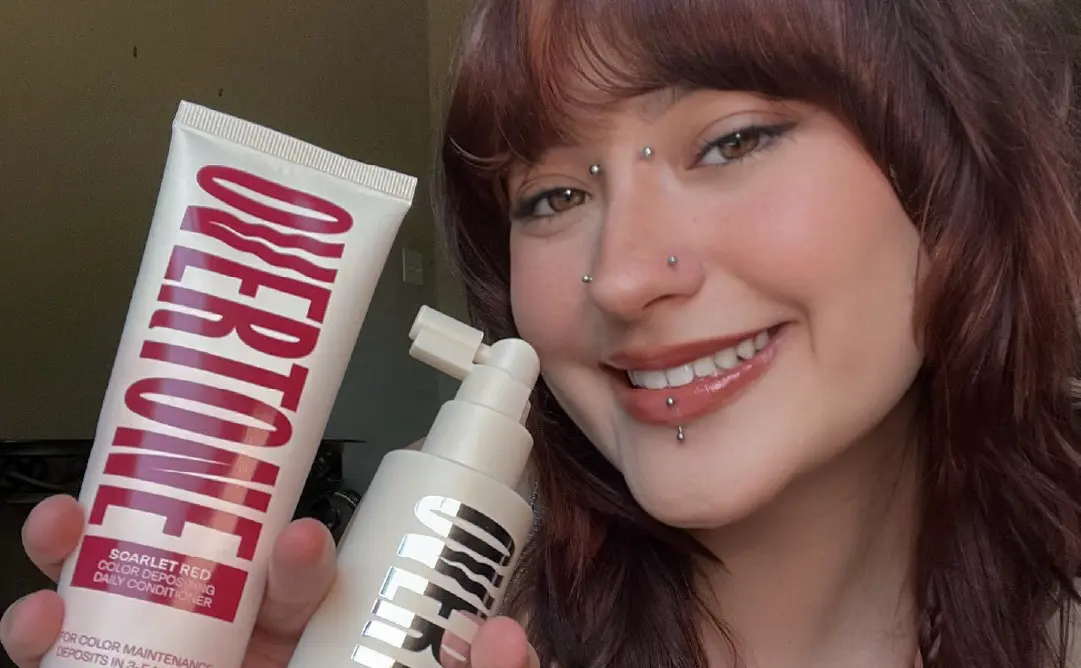
Products like Overtone Color Depositing Daily Conditioner help maintain color while conditioning the hair during regular wash days. This conditioning effect can actually improve how hair feels and behaves between washes.
WHEN DOES SEMI-PERMANENT COLOR CAN CONTRIBUTE TO BREAKAGE?
This is important to be honest about.
Semi-permanent color can contribute indirectly to breakage if:
-
It is applied too frequently without regard to buildup
-
Hair is scrubbed aggressively during rinse-out
-
Color sessions replace basic conditioning habits
-
Hair is not supported with gentle cleansing
The issue is rarely the pigment. It is usually the routine surrounding
HOW DOES THE PRODUCT CHOICE IMPACTS HAIR HEALTH?
Not all color-depositing products are designed the same way.
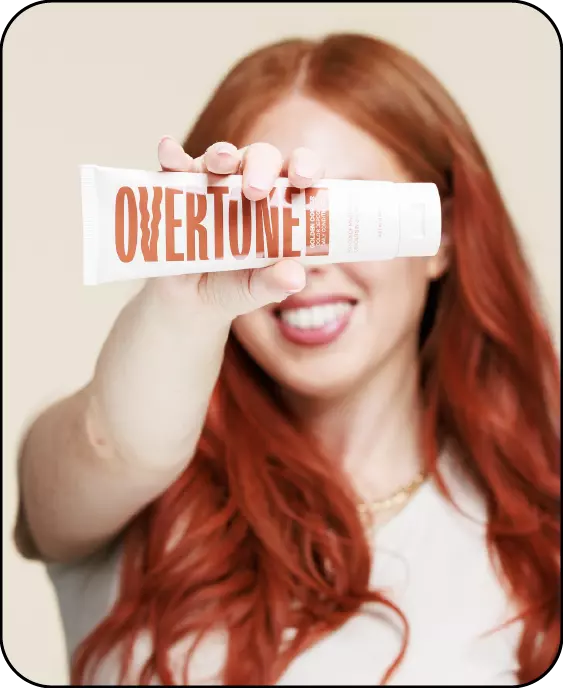
A treatment-based product like Overtone Color Depositing Treatment Mask is meant to be used intentionally, not daily. It provides richer pigment and deeper conditioning in a single session.
A lighter maintenance product like Overtone Color Depositing Daily Conditioner is meant for frequent use without overwhelming the hair.
Using the right product at the right time reduces unnecessary stress.

HOW DOES TIMING AND FREQUENCY AFFECT HAIR CONDITION?
Leaving a conditioning color on for the appropriate amount of time allows pigment to deposit without excessive manipulation.
Many users follow general timing like:
-
15 minutes for softer refreshes
-
20 minutes for standard application
-
Up to 30 minutes for deeper saturation
Overusing any product, even a conditioning one, can lead to buildup that makes hair feel heavy or dull. That sensation is often mistaken for damage.
WHAT IS THE ROLE OF CLEANSING IN PREVENTING DAMAGE?
Gentle cleansing plays a bigger role in hair health than color does.
Using a non-stripping cleanser like The Hydrator Moisturizing Shampoo helps preserve moisture and reduce friction.
Following with The Ultimate Conditioner helps restore slip and elasticity, which are critical for preventing breakage. When hair is properly conditioned, it tolerates color sessions much better.
WHY DOES MY HAIR SOMETIMES FEELS DRY AFTER COLORING?
Dryness after coloring does not always mean damage.
It often means:
-
Hair was already porous
-
Rinse-out was incomplete
-
Conditioning was skipped
-
Hair was heat-styled immediately afterward
Supporting hair between color sessions makes a bigger difference than avoiding color altogether.
IS SEMI-PERMANENT COLOR SAFER FOR FRAGILE HAIR?
For many people, yes.
Semi-permanent color is often chosen by people with:
-
Fine or fragile hair
-
Hair recovering from bleach
-
Hair that cannot tolerate permanent dye
-
Curls or coils that need moisture-first care
Because it does not alter the internal structure, it allows hair to maintain flexibility and softness when paired with good habits.
HOW DO I COLOR WITHOUT MAKING HAIR WEAKER OVER TIME?
If your goal is to enjoy color without compromising hair health, these principles matter more than any single product.
-
Do not over-wash
-
Use the right product for your goal
-
Avoid aggressive detangling during color sessions
-
Rinse gently
-
Condition consistently
-
Limit heat immediately after coloring
Color should fit into your routine, not replace it.
FREQUENTLY ASKED QUESTIONS
-
On its own, semi-permanent color is not a major cause of damage. Breakage usually comes from dryness, heat, friction, or chemical history.
THE TAKEAWAY
Semi-permanent hair color is not the villain it is often made out to be.
Most hair damage comes from how hair is treated over time, not from conditioning pigment itself. When used intentionally, semi-permanent color can coexist with healthy hair and even support better manageability.
If you want color without commitment, flexibility without harsh grow-out, and a routine that prioritizes hair health, semi-permanent color is often one of the least damaging ways to change your look.
CHECK OUT OUR MOST POPULAR PRODUCTS

Magenta Majesty Healthy Color Duo
